Where to Live in Oahu: Best Neighborhoods & Towns
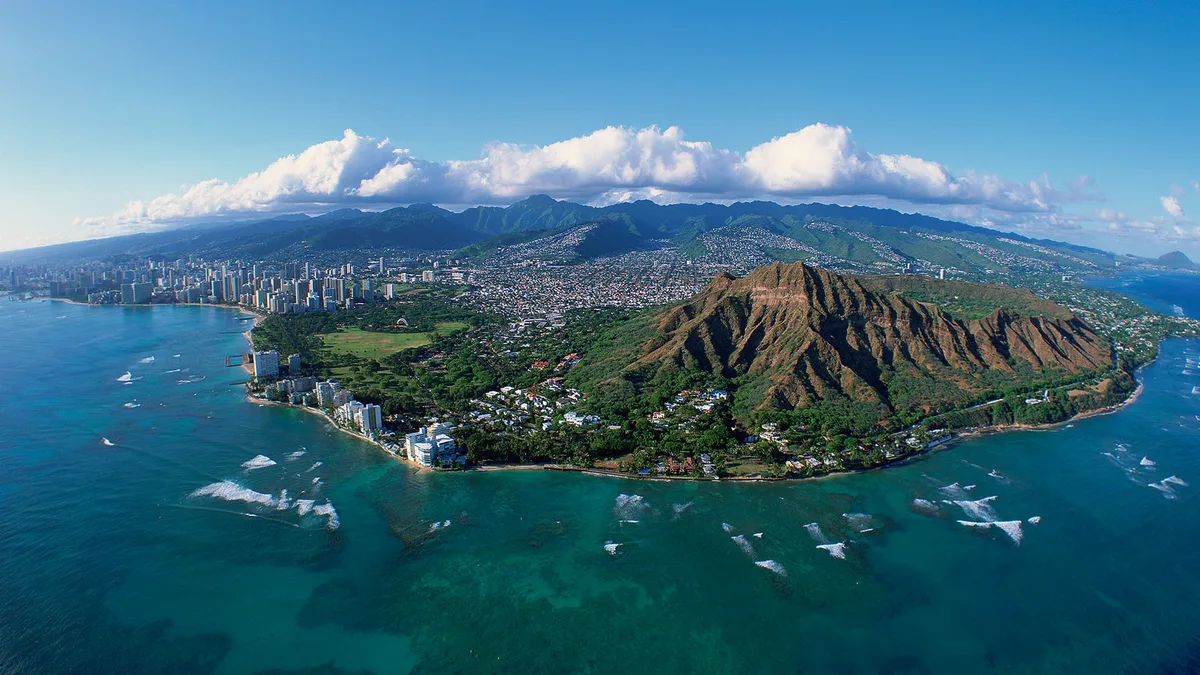
Figuring out where to live in Oahu requires balancing dream island lifestyles against daily logistics. Many newcomers picture beachfront cottages, but realities like traffic corridors and distinct microclimates quickly reshape priorities. Choosing the right community depends entirely on where you work, your tolerance for driving, and your housing budget.
According to market data from the Honolulu Board of REALTORS, the islandwide median price for single-family homes sits well above $1,000,000, while median condo prices hover above $500,000 as of 2026. Understanding how each region functions on a practical level will save you from expensive relocation mistakes.
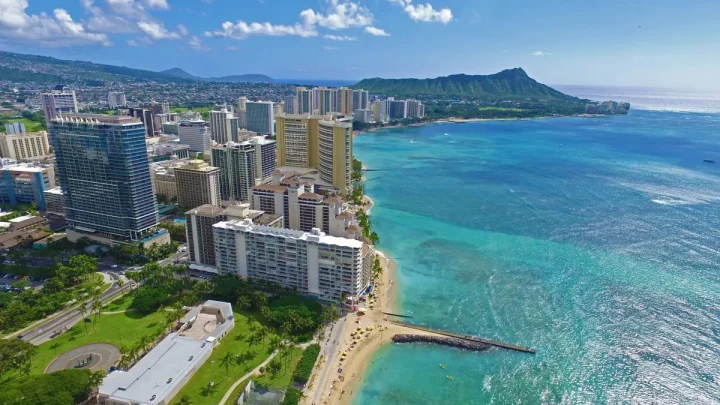
Image source: Web (Bing) / windows10spotlight.com (Web image (fair-use with source credit))
Quick Answer
Where to live in Oahu depends on your daily commute and lifestyle goals.
Choose Urban Honolulu for short commutes and walkable city amenities.
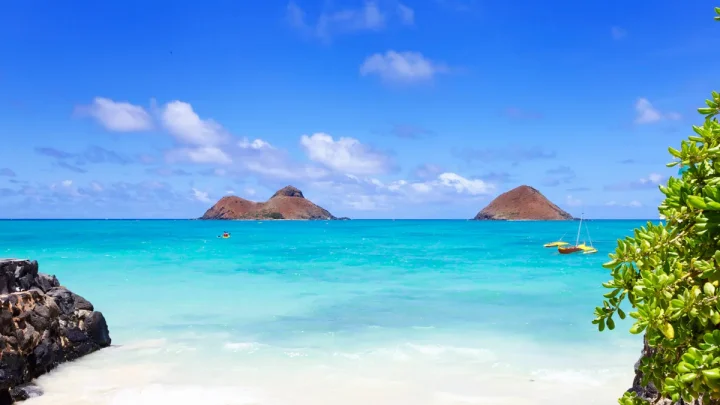
Pick Kailua or Kaneohe for lush scenery and breezy coastal neighborhoods.
Select Kapolei or Ewa Beach for newer homes and master-planned subdivisions.
Head to the North Shore only if you work remotely or love rural surf culture.
The Reality of Choosing Where to Live on Oahu (Beyond the Postcards)
Living on Oahu is completely different from vacationing here. The island is defined by dramatic geography that concentrates population centers and channels traffic through narrow highway corridors. The Koolau and Waianae mountain ranges create distinct microclimates, meaning the weather in one valley can be vastly different from a beach town just five miles away.
Daily transit shapes quality of life more than almost any other factor. The Interstate H-1 corridor carries heavy commuter traffic between the western suburbs and downtown Honolulu. A commute that takes twenty minutes at noon can easily stretch past seventy minutes during peak morning rush hour.
Microclimates also dictate your everyday comfort and utility bills. Windward areas receive frequent passing showers and steady trade winds that keep homes naturally cool. Leeward areas stay hot, dry, and sunny year-round, making air conditioning almost mandatory.
| Region | Typical Weather | Commute to Downtown | Housing Character |
|---|---|---|---|
| Urban Honolulu | Warm, moderate rain | 5 to 20 minutes | High-rise condos, historic walk-ups |
| Windward Coast | Lush, breezy, frequent rain | 30 to 50 minutes | Single-family homes, low-rise condos |
| East Honolulu | Sunny, breezy, dry-to-moderate | 20 to 35 minutes | Established suburban single-family |
| Leeward / Ewa | Hot, sunny, very dry | 45 to 90 minutes | Newer master-planned communities |
| Central Oahu | Mild, cooler nights | 35 to 60 minutes | Subdivisions, military housing hubs |
| North Shore | Tropical, high surf in winter | 60 to 90+ minutes | Rural beach cottages, acreage |
The Oahu Neighborhood Decision Tree: 3 Core Lifestyle Variables
To pinpoint the right neighborhood, filter your choices through three non-negotiable lifestyle variables.
1. Daily Commute Route and Tolerance
If you must report in person to Downtown Honolulu, Kakaʻako, or The Queen's Medical Center, living east of the Halawa interchange saves dozens of commuting hours each month. If you are stationed at Marine Corps Base Hawaii in Kaneohe, Windward neighborhoods make the most sense. For those based at Schofield Barracks, Central Oahu or the North Shore keep drive times manageable.
2. Microclimate and Heat Preferences
If you love lush green mountains and do not mind regular rain showers, look at Kaneohe, Kailua, or Manoa Valley. If you prefer constant sunshine and rarely want to see rain, target Ewa Beach, Kapolei, or Hawaii Kai. Keep in mind that hotter areas require more electricity for cooling.
3. Community Density and Walkability
Decide whether you want an urban lifestyle where you can walk to grocery stores, restaurants, and entertainment, or a quiet suburban cul-de-sac. Urban Honolulu offers walkable high-rise living, while master-planned communities like Mililani or Kapolei require a car for almost every errand.
Region-by-Region Breakdown: Matching Neighborhoods to Your Daily Routine
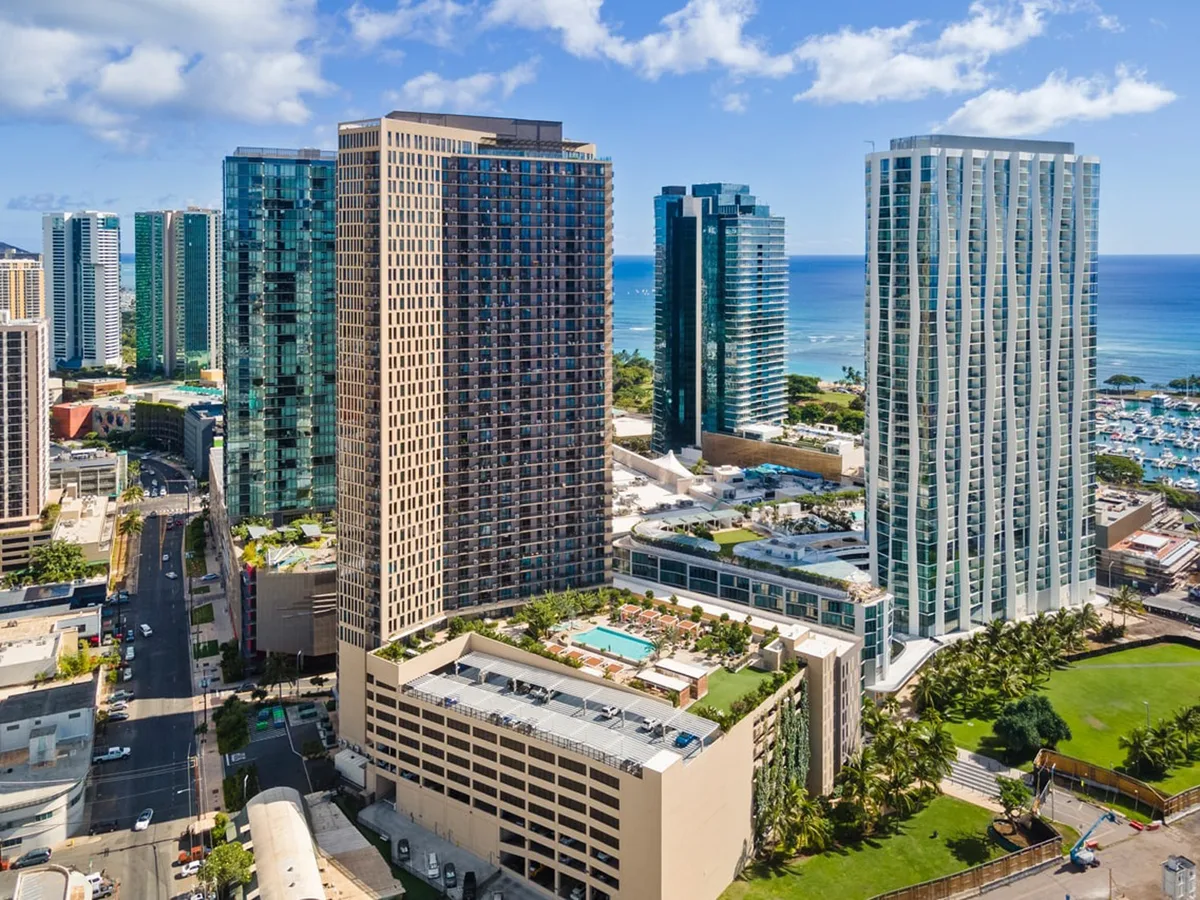
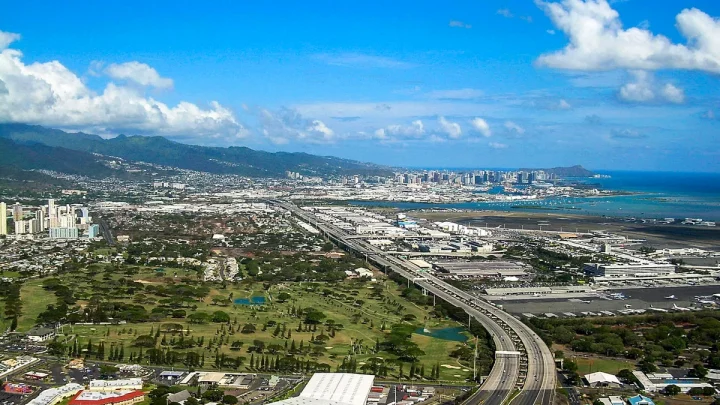
Image source: Bing (Web (fair-use with source credit))
Urban Honolulu: High-Rise Living, Walkability, and Short Commutes
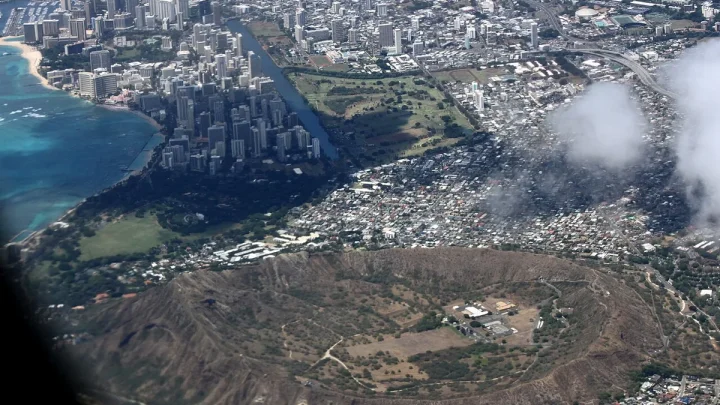
Urban Honolulu stretches from Downtown through Kakaʻako, Ala Moana, and historic neighborhoods like Makiki and Manoa. Kakaʻako is the modern focal point, featuring luxury high-rises, wide sidewalks, craft breweries, and immediate access to Ala Moana Regional Park. It is ideal for medical workers, legal professionals, and remote workers who want modern amenities at their doorstep.
Older neighborhoods like Kaimuki and Manoa offer historic single-family homes with distinct character. Kaimuki centers around Waialae Avenue, filled with local bakeries and boutique restaurants. Manoa sits in a cool, rainy valley right behind the University of Hawaii at Manoa, offering lush scenery just ten minutes from the financial district.
Windward Oahu: Lush Scenery, Slower Pace, and Trade Wind Breezes
Windward Oahu sits on the eastern side of the Koolau mountains and includes Kailua, Kaneohe, and Waimanalo. Kailua is famous for powdery white sand beaches, a thriving boutique commercial center, and a relaxed, bike-friendly atmosphere. It draws a mix of military families, professionals, and long-time residents.
Kaneohe offers a slightly more residential feel with dramatic views of the jagged Koolau cliffs. Housing prices in Kaneohe are generally lower than Kailua, offering solid single-family neighborhoods and townhome complexes near Kaneohe Bay. The Pali Highway, Likelike Highway, and H-3 freeway provide three scenic routes through the mountains into town.
East Honolulu: Upscale Suburbs, Coastal Access, and Top School Districts
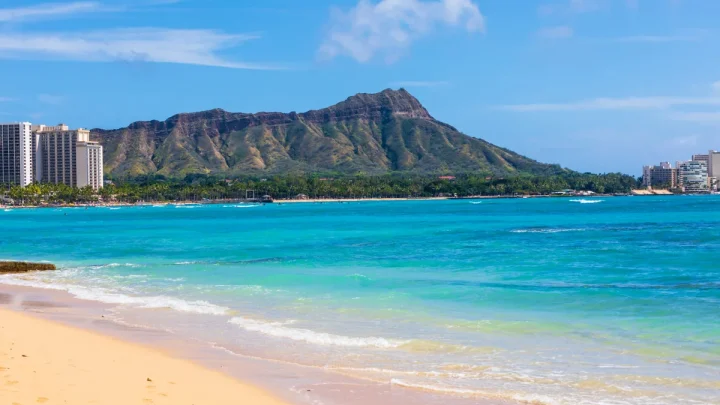
East Honolulu encompasses prestigious communities running from Diamond Head through Kahala, Aina Haina, and Hawaii Kai. Kahala features wide flat streets, luxury estates, and quiet residential lanes near the ocean.
Further east, Hawaii Kai is a master-planned marina community built around water channels and bays. It is popular for boating, paddling, and ocean sports, with easy access to Hanauma Bay and Sandy Beach. The commute into downtown along Kalanianaole Highway can back up during morning rush hour, but it remains shorter than the commute from the west side.
Leeward & Central Oahu: Modern Master-Planned Communities and Value
The Ewa Plain and Kapolei represent Oahu's fastest-growing residential hub. Known as the second city, Kapolei provides big-box retail, modern school facilities, and newer single-family developments like Ho'opili. Buyers get more square footage, modern central air conditioning, and newer construction for their money compared to urban Honolulu.
The trade-off is the daily drive along Interstate H-1. According to traffic flow studies from the Hawaii Department of Transportation, westbound afternoon traffic out of Honolulu remains among the most congested routes in the state. Central Oahu communities like Mililani offer cooler temperatures, mature tree-lined streets, and well-managed community recreation centers with a slightly shorter commute.
North Shore: Rural Surf Culture and Complete Disconnection
The North Shore runs from Kaʻena Point through Haleiwa, Pupukea, and Kahuku. Haleiwa retains historic plantation-era architecture, local art galleries, and food trucks. Life here revolves around farming, ocean recreation, and world-class winter surf.
Living on the North Shore requires adapting to a rural infrastructure. Kamehameha Highway is a two-lane road that experiences heavy tourist traffic, especially during winter surf competitions. This region is best suited for remote workers, retirees, or local business operators who rarely need to travel into Honolulu.
Hidden Island Costs and Housing Infrastructure Traps
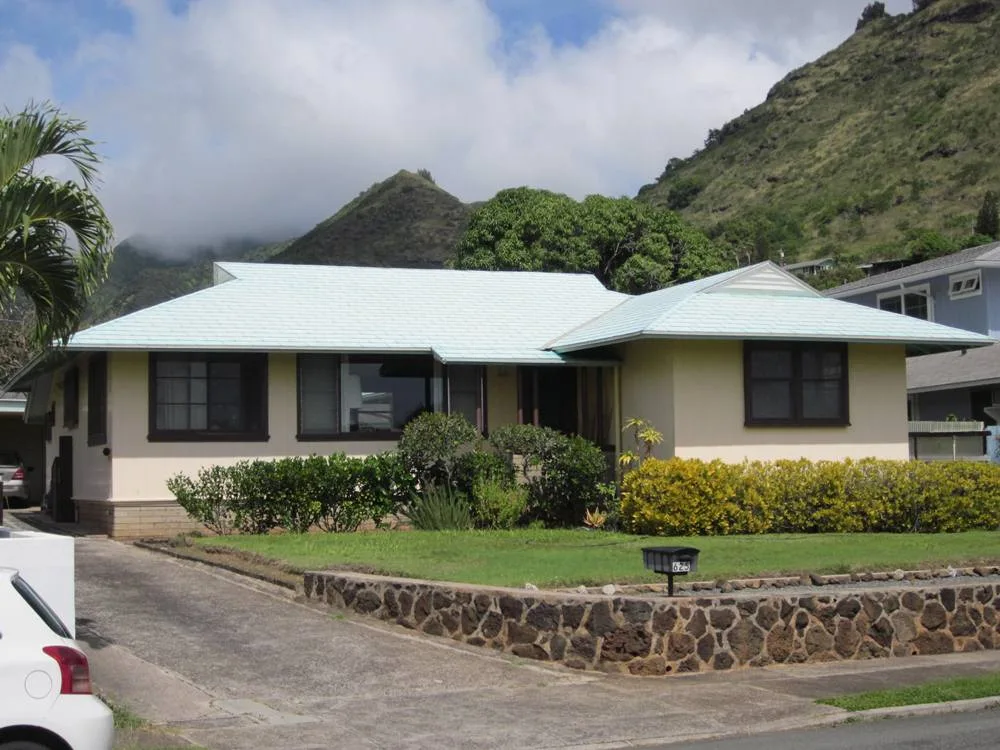
Image source: Web (Bing) / storage.googleapis.com (Web image (fair-use with source credit))
Fee Simple vs. Leasehold Properties
When browsing real estate listings on Oahu, you will see properties categorized as either Fee Simple (FS) or Leasehold (LH). Fee Simple means you own the structure and the land beneath it completely.
Leasehold means you own the structure, but you rent the land from a landholder for a set duration. When the lease expires, the land and building revert to the lessor unless extended. Leasehold units look remarkably cheap online, but they carry monthly lease rents and strict financing restrictions that make them risky for most buyers.
The Impact of Single-Wall Construction and Electricity Costs
Many homes built between the 1950s and 1970s feature single-wall construction. These houses use single vertical tongue-and-groove boards without internal wall studs or fiberglass insulation.
Research published by the University of Hawaiʻi Economic Research Organization highlights that island households face the highest energy rates in the United States, often exceeding 40 cents per kilowatt-hour. In uninsulated single-wall homes, cooling indoor spaces with portable or window AC units leads to massive monthly utility bills. Look for homes with rooftop photovoltaic solar systems to offset these electricity costs.
Condo Maintenance Fees and Aging Building Reserves
Condo living is standard across Honolulu, but monthly association dues can catch newcomers off guard. Maintenance fees frequently run between $500 and $1,500 per month on top of your mortgage payment.
Older high-rise towers built during the construction boom of the 1960s and 1970s face expensive structural projects. Common capital expenses include complete cast-iron waste pipe replacement, elevator modernization, and concrete spall repairs. Always review a building's reserve study before purchasing to avoid sudden special assessments.
Step-by-Step Action Plan: How to Land in the Right Neighborhood
Finding the right home on Oahu requires a methodical approach that accounts for island-specific logistics.
- Map your daily commute window. Identify where your job, your children's schools, or military duty stations are located. Determine the absolute maximum time you are willing to spend in traffic each morning.
- Select your climate zone. Decide if your lifestyle aligns with the breezy rainfall of the Windward side, the modern density of Urban Honolulu, or the hot sunshine of the Leeward plain.
- Filter housing ownership types. If buying, filter your property search exclusively to Fee Simple properties unless you have specialized experience with leasehold valuations.
- Audit total recurring monthly overhead. Factor in electric utility rates, mandatory condo association fees, property taxes, and potential solar lease payments alongside your base rent or mortgage.
- Test the neighborhood during rush hour. Before signing a lease or submitting a purchase offer, drive the exact route to your workplace at 7:00 AM on a Tuesday or Wednesday. This reveals real-world travel times that mapping apps often underestimate.
Common Mistakes Transplants Make When Relocating to Oahu
Moving to the island involves adjustments that mainland transitions do not require. Avoiding these standard miscalculations will protect your budget and peace of mind.
- Underestimating the westbound commute: Choosing a larger home in Kapolei or Ewa Beach while working in Downtown Honolulu often leads to commute burnout. Spending twelve hours a week in traffic degrades the island lifestyle quickly.
- Overlooking cooling infrastructure: Moving into an uninsulated single-wall home without split AC or photovoltaic solar can result in monthly electric bills exceeding $600 during humid summer months.
- Assuming all coastal zones are equal: Living right along the ocean exposes vehicles, electronics, and outdoor furniture to rapid corrosion from salt spray. Homes set just one or two miles inland require significantly less exterior maintenance.
- Ignoring property tenure types: Placing a deposit on a leasehold property without understanding the expiration terms or land lease escalation schedule can put your financial equity at severe risk.
- Bringing too many household goods: Large mainland furniture rarely fits well inside older plantation houses or compact urban condos. Moving fewer items cuts shipping costs and leaves room for proper trade wind cross-ventilation.
Frequently Asked Questions About Living on Oahu
What is the safest area to live in on Oahu?
East Honolulu communities like Hawaii Kai, Kahala, and Waialae Iki consistently report some of the lowest property and violent crime rates on the island. Suburban Windward neighborhoods like Kailua also maintain strong community watch programs and very low crime statistics compared to dense urban districts.
Where is the best place to live on Oahu for families?
Mililani and Kailua are top choices for families with school-age children. Mililani offers well-maintained public parks, dedicated community recreation centers, and highly rated public schools. Kailua provides a walkable beach town environment with youth sports leagues and strong neighborhood cohesion.
How much money do you need to live comfortably on Oahu?
A comfortable household income on Oahu generally starts around $120,000 for a single individual and $160,000 or more for a family of four. This budget accommodates high median housing costs, elevated electricity rates, state income taxes, and island grocery expenses.
Is it better to live in Kailua or Honolulu?
Choose Honolulu if you prioritize short work commutes, vibrant nightlife, walkable restaurants, and modern high-rise condo amenities. Choose Kailua if you prefer a laid-back coastal lifestyle, outdoor water sports, single-family neighborhoods, and do not mind a thirty-minute drive into the city.
Can you live on Oahu without a car?
You can comfortably live without a car if you reside in Urban Honolulu neighborhoods like Downtown, Kakaʻako, or Waikiki. The city offers extensive bus service via TheBus, protected bike lanes, ride-share options, and the Skyline rail system for regional transit. Outside town, a personal vehicle is essential.

Similar Posts