Where to Snorkel on Oahu: Best Spots & Hidden Reefs
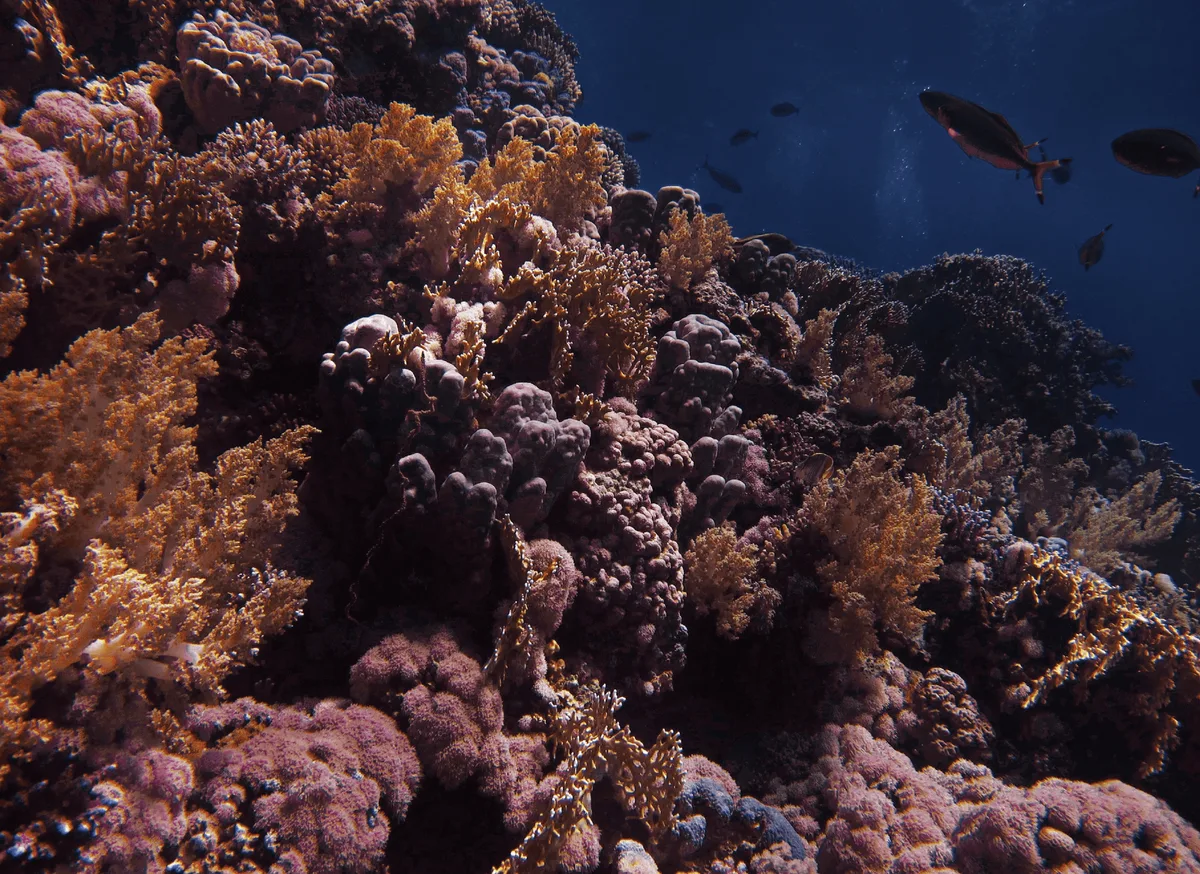
Finding where to snorkel oahu comes down to matching your swimming ability with the island's changing ocean conditions. Oahu offers calm volcanic craters, shallow coral gardens, and deep open-water drop-offs. Picking the wrong location on the wrong day can leave you facing zero visibility or hazardous ocean currents.
In our research of coastal reef data, water clarity on Oahu ranges from 15 feet to over 80 feet depending on swell direction and local trade winds. Seasonal waves shift dramatically between the North and South shores throughout the year. Knowing these shifts makes the difference between an effortless turtle sighting and an unsafe swim.
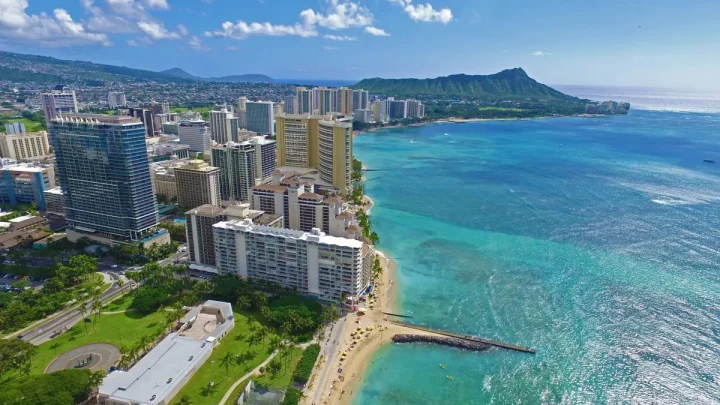
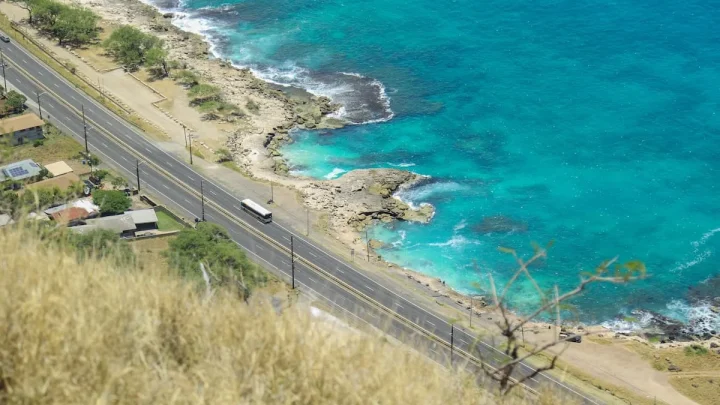
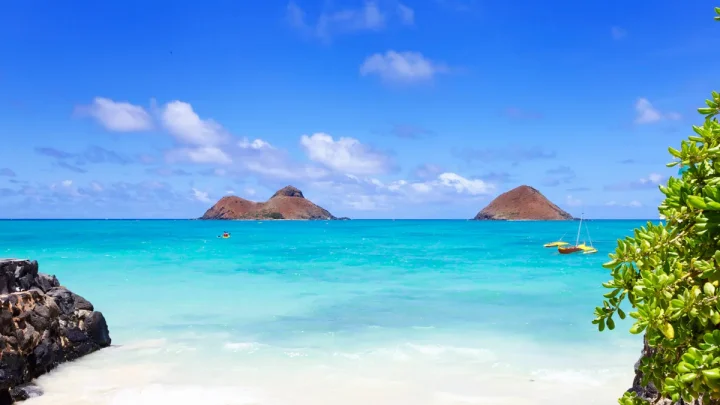
Image source: Web (Bing) / ar.inspiredpencil.com (Web image (fair-use with source credit))
Quick Answer
The best place where to snorkel oahu depends entirely on the season. Beginners should visit Hanauma Bay or Kuilima Cove for calm waters. Intermediate snorkelers find rich marine life at Shark's Cove during the summer.
Advanced swimmers prefer Kahe Point for clear water and pelagic species. Always avoid North Shore beaches during large winter swells.
The Two Factors That Dictate Where You Can Snorkel on Oahu
Two main variables dictate which Oahu snorkel spots are safe and clear on any given day. If you ignore these two factors, you risk poor visibility and dangerous water conditions.
The first factor is seasonal ocean swell. Oahu experiences two distinct swell patterns each year:
- Summer (May through September): South swells hit Honolulu and Waikiki, creating surf breaks on the south coast. The North Shore becomes flat and lake-like, making northern reefs ideal for snorkeling.
- Winter (October through April): Powerful North Pacific storms push massive 10-foot to 30-foot waves into the North Shore. Snorkeling at northern sites becomes dangerous or impossible, shifting safe snorkeling to the sheltered southern and leeward coasts.
The second factor is entry topography. Some Oahu beaches feature gradual sand ramps into calm lagoons. Other sites require walking across jagged volcanic basalt shelves or navigating surging surge channels.
Matching the entry type to your comfort level prevents foot injuries and panic in the water.
The Oahu Snorkel Decision Tree: Which Spot Fits Your Trip?
Use this simple decision workflow to select your snorkel site based on the time of year, your group's swimming confidence, and trip logistics.
If you are visiting between October and April (Winter):
- Are you a beginner or traveling with small kids? Head to the enclosed basin at Kuilima Cove or secure a morning slot at Hanauma Bay.
- Are you a confident, intermediate swimmer? Explore Queen's Beach in Waikiki or Sans Souci Beach.
- Are you a strong swimmer with open-water experience? Visit Kahe Point (Electric Beach) on the leeward coast when western swells are low.
If you are visiting between May and September (Summer):
- Do you want rugged tide pools and massive fish diversity? Drive to Shark's Cove or Three Tables within the Pupukea marine reserve.
- Do you want sandy entries and wide reef exploration? Choose Waimea Bay on calm mornings or visit Hanauma Bay on the south shore.
- Do you want calm water for first-time snorkelers? Kuilima Cove remains protected and calm all summer long.
If you could not get a paid reservation anywhere:
- Skip the regulated parks and head directly to Shark's Cove (summer only) or Queen's Beach in Waikiki (year-round), both of which offer free public shore access.
Top Oahu Snorkel Sites Broken Down by Experience and Season
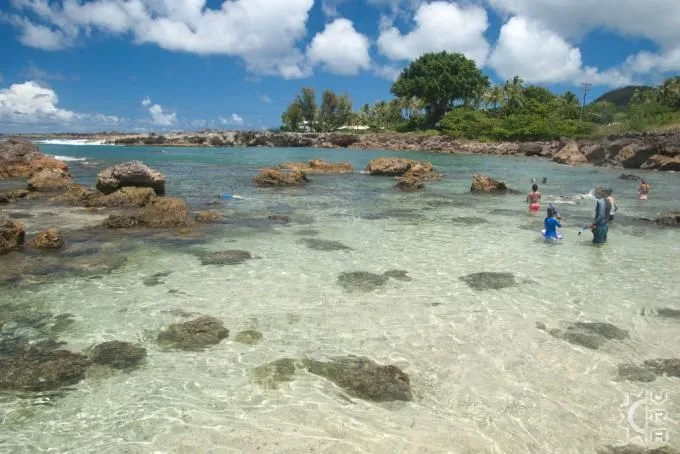
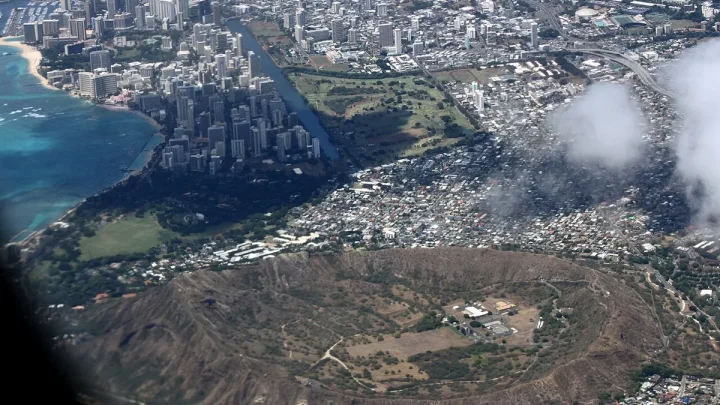
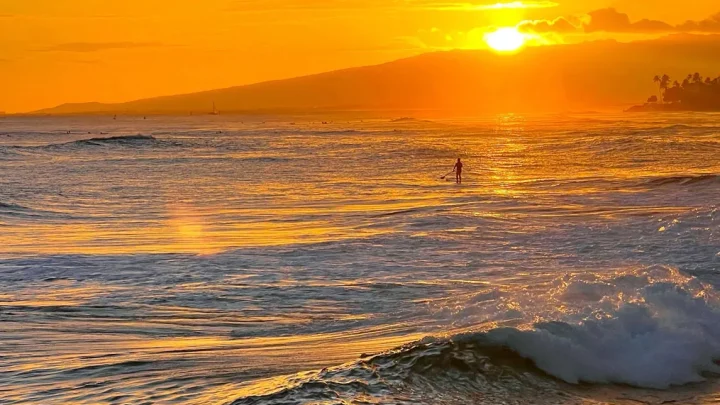
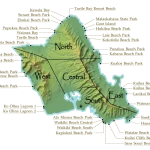
Image source: Web (Bing) / artofit.org (Web image (fair-use with source credit))
Hanauma Bay Nature Preserve (East Honolulu)
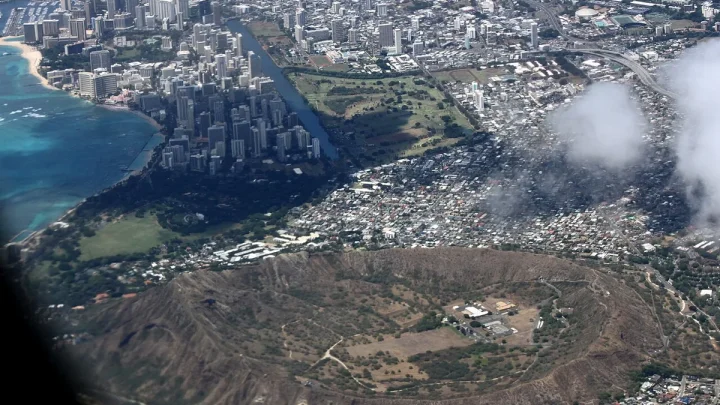
Hanauma Bay is an ancient volcanic crater flooded by the ocean, located on the southeast tip of Oahu. The bay is designated as a state Marine Life Conservation District managed by the Hawaii Division of Aquatic Resources. As of 2026, daily visitor caps and mandatory educational briefings keep the inner reef ecosystem protected.
The inner shallow reef offers calm swimming over coral heads where you can spot parrotfish (uhu), convict tangs, and the state fish, the humuhumu nukunuku āpuaʻa. The outer reef features deeper water and larger pelagic fish, but ocean currents strengthen near the mouth of the bay. Hanauma Bay is best suited for beginners and families who want lifeguards, equipment rentals, and sandy beach entries.
Shark’s Cove & Pupukea Marine Life Conservation District (North Shore)
Shark's Cove sits on Oahu's North Shore and consists of rocky lava formations and submerged boulders. Despite its intimidating name, the cove does not attract dangerous sharks. Instead, the area houses large schools of butterflyfish, surgeonfish, and green sea turtles (honu).
This site is strictly a summer destination. Between May and September, the water stays clear and calm, allowing snorkelers to swim through coral trenches. Between October and April, heavy surf turns this cove into a dangerous wash zone.
The entry is rocky and uneven, so neoprene reef booties or open-heel fins are essential to protect your feet.
Kahe Point Beach Park / Electric Beach (West Shore)
Kahe Point is located on Oahu's leeward western coast, directly across from an electric power plant. The facility pumps warm, clean cooling water back into the ocean through large offshore pipes. This warm output acts as a magnet for sea life, attracting green sea turtles, eagle rays, and large schools of trevally.
Electric Beach is strictly for strong, advanced swimmers. There is no protective reef barrier, and water depth drops quickly from 15 to 30 feet. You must kick out roughly 150 yards from the small sandy cove to reach the discharge opening.
The current coming from the pipes can push you back, so good swim fins and ocean awareness are mandatory.
Kuilima Cove at Turtle Bay (North Shore)
Kuilima Cove is a natural, sheltered cove located on the grounds of Turtle Bay Resort. A heavy natural rock barrier blocks ocean swells, creating a calm, swimming-pool-like environment. The water depth averages three to six feet across a flat, sandy-bottom basin.
This is the safest snorkeling spot on the North Shore for nervous swimmers and young children. While you will not see large coral drop-offs here, the scattered rock heads support pipefish, wrasses, and juvenile reef fish. Visibility remains steady even when surrounding beaches experience minor wave chop.
Queen’s Beach & Sans Souci / Kaimana (Waikiki)
Queen's Beach and adjacent Sans Souci Beach sit on the quiet eastern edge of Waikiki, inside the Waikiki Marine Life Conservation District. Because fishing is prohibited along this stretch, fish populations are noticeably denser here than on the main hotel beaches.
The reef lies just 20 to 50 yards from the sand in waist-deep to head-deep water. You can regularly see triggerfish, boxfish, and moray eels weaving through the limestone reef beds. It is an ideal, free alternative for visitors staying in Honolulu who want quality snorkeling without renting a car or booking a boat tour.
Oahu Snorkel Sites Compared: Depth, Difficulty, and Wildlife
The table below breaks down the primary snorkeling locations on Oahu, comparing entry conditions, seasonal reliability, depth, and target marine life.
| Location | Shore / Region | Ideal Season | Swimmer Level | Typical Depth | Key Marine Wildlife |
|---|---|---|---|---|---|
| Hanauma Bay | East (Honolulu) | Year-Round | Beginner to Intermediate | 3 to 15 ft (Inner) | Parrotfish, Surgeonfish, Reef Triggerfish |
| Shark’s Cove | North Shore | May to September | Intermediate | 5 to 20 ft | Green Sea Turtles, Boxfish, Moorish Idols |
| Kahe Point (Electric Beach) | West (Leeward) | Year-Round (Calm Days) | Advanced | 15 to 35 ft | Eagle Rays, Spinner Dolphins, Jacks |
| Kuilima Cove | North Shore | Year-Round | Beginner / Kids | 3 to 6 ft | Juvenile Wrasses, Damselfish, Flounders |
| Queen’s Beach | South (Waikiki) | Year-Round | Beginner to Intermediate | 4 to 10 ft | Butterflyfish, Moray Eels, Sea Urchins |
| Three Tables | North Shore | May to September | Intermediate | 10 to 25 ft | Squid, Large Parrotfish, Honu |
How to Land a Hanauma Bay Reservation (Step-by-Step Workflow)
Getting a reservation for Hanauma Bay requires precise timing because tickets sell out within minutes. Follow this exact process to secure entry:
- Check the calendar: The reservation portal opens at exactly 7:00 AM Hawaii Standard Time (HST) two days before your planned visit. The bay is closed to the public on Mondays and Tuesdays to allow the ecosystem to rest.
- Prepare your details in advance: Open the official City and County of Honolulu online portal at 6:58 AM HST. Have your credit card, number of guests, and preferred time slot ready.
- Select morning slots: Aim for entry times between 7:00 AM and 9:00 AM. Early slots offer the calmest water, the best sunlight for visibility, and guaranteed parking.
- Pay the entry fees: Entry is $25 per adult visitor (free for Hawaii residents with ID and children under 12). Parking is an additional $3 per vehicle, payable in cash or card at the entry gate.
- Arrive 15 minutes early: You must attend a mandatory 15-minute marine conservation video at the visitor center before walking down to the beach.
Critical Ocean Safety, Reef Etiquette, and Hawaii Wildlife Laws
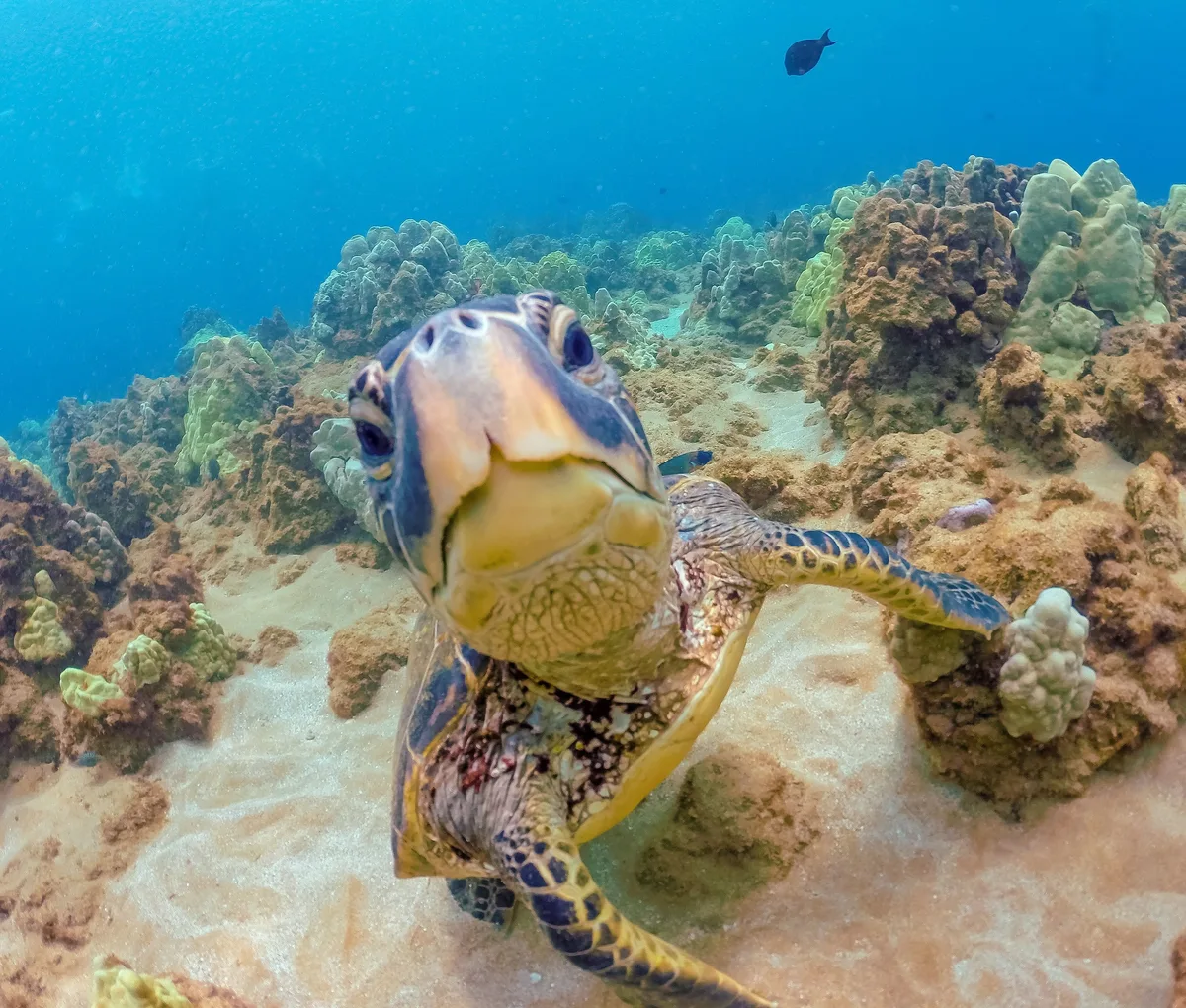
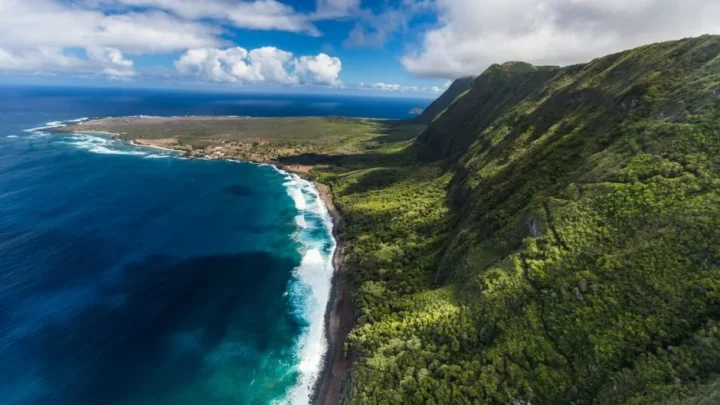
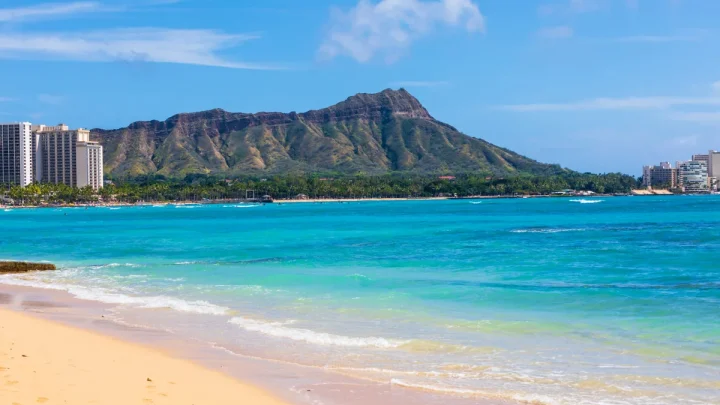
Image source: Web (Bing) / pinterest.com (Web image (fair-use with source credit))
Ocean safety on Oahu requires checking real-time conditions before entering the water. Spend five minutes watching the shoreline before putting on your fins. Look for rip currents, breaking waves over shallow coral, and the ease of exit points.
Always check lifeguard flags and current warnings from the National Weather Service Honolulu Office before driving to remote beaches.
Respecting local marine wildlife laws protects both the ecosystem and your wallet:
- Keep your distance from sea turtles: Federal and state laws require maintaining at least 10 feet (3 meters) of space from Green sea turtles (honu). Never touch, pursue, or feed them.
- Give dolphins space: Federal regulations mandate staying at least 50 yards away from Hawaiian spinner dolphins in coastal waters.
- Use reef-safe sunscreen: Hawaii Act 104 bans sunscreens containing oxybenzone and octinoxate. Use only mineral-based sunscreens with non-nano zinc oxide or titanium dioxide, or wear UPF 50+ rash guards.
- Never stand on coral: Coral polyps are living animals. Stepping on coral heads kills the colony and causes severe cuts that easily become infected.
Oahu Snorkeling Frequently Asked Questions
Do I need to book Hanauma Bay in advance?
Yes. You must reserve your entry slot online 48 hours in advance at 7:00 AM HST. Walk-in tickets are extremely limited and often sell out immediately when the park gates open.
Can you snorkel on the North Shore during winter?
No. Powerful winter swells create breaking waves from 10 to 30 feet high across the North Shore from October through April. Snorkeling at spots like Shark's Cove during these months is dangerous.
Where can I see sea turtles on Oahu?
You can reliably see green sea turtles feeding on algae at Shark's Cove during summer, along the outer edge of Kuilima Cove, and near the discharge area at Electric Beach.
What is the easiest snorkeling spot for beginners on Oahu?
Kuilima Cove at Turtle Bay is the easiest spot because a rock barrier blocks waves, creating a calm, shallow basin. Hanauma Bay's inner reef is another excellent option with lifeguards and rentals.

Similar Posts