Where to Surf in Oahu: Best Spots for Every Level
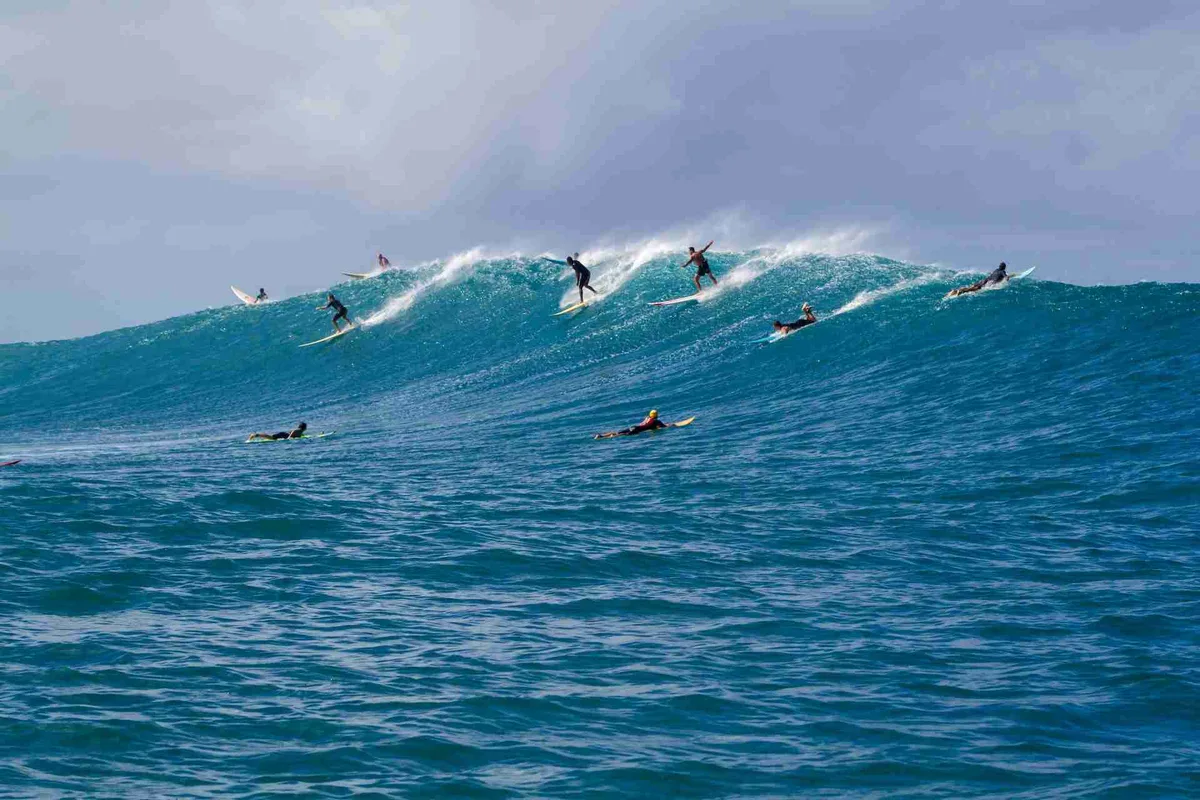
Finding where to surf in Oahu comes down to two factors: your current skill level and the time of year. Oahu offers over 112 miles of coastline with wave conditions for every type of surfer. Paddling out at the wrong break, however, can quickly turn a fun session into a dangerous situation.
Per ocean safety data and coastal buoy records, seasonal groundswells can push breaking wave faces from two feet to over thirty feet within a twelve-hour window. Understanding local seasonal shifts and reef structures ensures you catch the best waves for your ability.
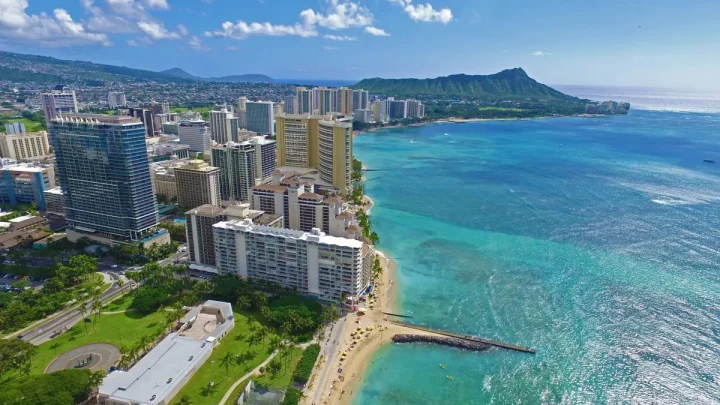
Image source: Web (Bing) / hotelhawaii.org (Web image (fair-use with source credit))
Quick Answer
To find where to surf in Oahu, match your experience to the season. Beginners should paddle out at Waikiki or White Plains Beach year-round. Intermediates do best at Diamond Head in summer and Puena Point in winter.
Advanced surfers target the North Shore during winter swells. Always check local buoy forecasts before paddling out.
The Two Oahu Surf Seasons: Why Timing Dictates Where You Paddle Out
Oahu experiences two primary surf seasons dictated by global storm tracks across the Pacific Ocean. As of 2026, coastal monitoring from the NOAA National Weather Service shows that these seasonal patterns remain the single most reliable predictor for wave heights around the island.
Winter runs from October through April. Low-pressure systems near the Aleutian Islands send massive northwest groundswells directly toward the North Shore and West Side. During these months, famous northern breaks turn into heavy, expert-only arenas.
Meanwhile, the South Shore stays small, flat, or sheltered.
Summer runs from May through September. Storms in the South Pacific generate long-period south swells that hit the South Shore, commonly known as Town. The North Shore goes completely flat during this window, resembling a calm lake.
If you want gentle waves on the North Shore, summer is the only time to visit.
The East Coast, or Windward side, receives consistent windswell year-round from trade winds. These waves are typically choppy and disorganized, but they offer rideable peaks when other shores lack swell.
The Oahu Surf Decision Matrix: Matching Skill Level to the Right Break
Choosing the correct spot requires evaluating three factors: your paddling fitness, the current swell direction, and the seabed structure. Reef breaks break over sharp volcanic rock and live coral, while beach breaks break over sand.
| Surfer Level | Best Season | Recommended Spots | Seabed Type | Primary Hazards |
|---|---|---|---|---|
| Beginner | Year-round (Summer North) | Waikiki (Canoes), White Plains, Chun's (Summer) | Sand and flat reef | Crowds, loose surfboards |
| Intermediate | Winter (North), Summer (Town) | Puena Point, Diamond Head Cliffs, Castles | Mixed reef and sand | Current, shallow inside reef, wind chop |
| Advanced | Winter (North & West), Summer (Town) | Ala Moana Bowls, Pipeline, Sunset, Makaha | Shallow reef shelves, lava ledges | Heavy hold-downs, urchins, extreme power |
Use this simple if/then workflow to decide where to go:
- If you are catching your first waves: Head directly to Waikiki or White Plains Beach regardless of the season.
- If it is winter and you have solid fundamentals: Look at Puena Point or Haleiwa on small days.
- If it is summer and you want peeling shoulders: Paddle out at Diamond Head Cliffs or Tonggs.
- If double-overhead surf is running: Stick to spectating on the beach unless you have years of big-wave experience.
Where Beginners Should Surf: Gentle Rollers and Forgiving Bottoms
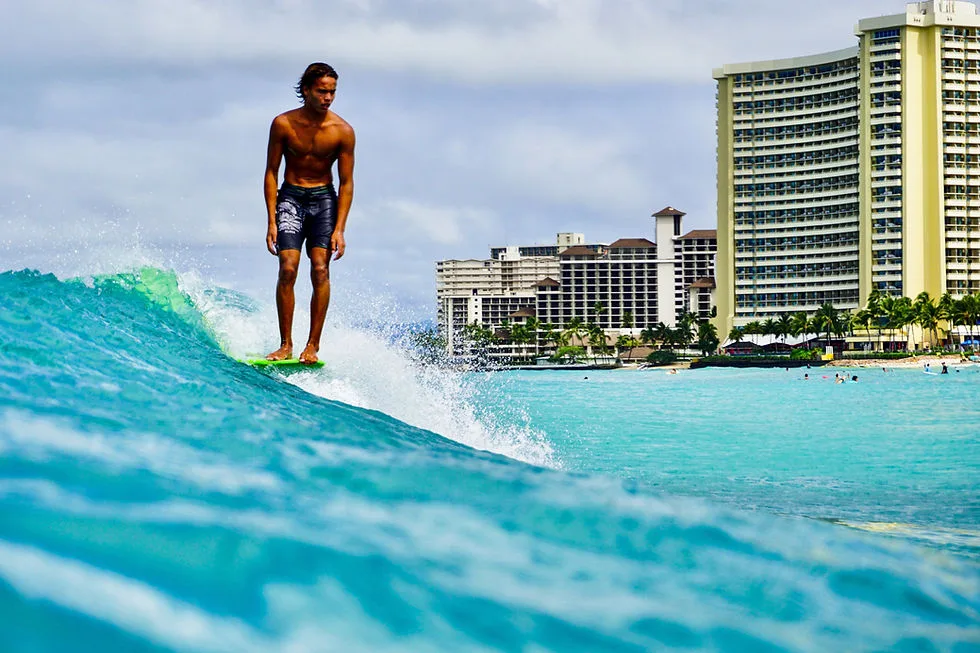
Image source: Web (Bing) / americansurfmagazine.com (Web image (fair-use with source credit))
Beginners require rolling, slow-moving waves that give ample time to stand up and set your stance. You also need deeper water to minimize injuries during wipeouts.
Waikiki: Canoes and Queens
Canoes is the birthplace of modern surfing and remains the most accessible wave on the planet. The wave breaks over a deep, flat reef that rolls gently toward the sand. You can ride longboards and soft-tops here on almost any day of the year.
Queens sits just east of Canoes and offers a faster, cleaner right-hand wave. It is slightly more crowded with experienced longboarders, so practice good lineup etiquette and yield to surfers on the inside.
Chun’s Reef (Summer Only)
Chun’s Reef on the North Shore is famous for heavy winter surf, but it transforms into a beginner playground from June through August. The long right-hand point break peels gently over a mix of sand and smooth rock.
Do not paddle out at Chun’s between October and March if you are a novice. The winter current can pull unprepared swimmers out past the point within minutes.
White Plains Beach
Located on the southwest shore near Kalaeloa, White Plains offers a sandy bottom with scattered patches of harmless reef. It picks up south and west swell energy while remaining far less congested than Waikiki.
The beach features dedicated parking, fresh water showers, and on-site surfboard rentals. It is an ideal spot to practice pop-ups and board control in waist-deep water.
Where Intermediates Should Surf: Open Faces and Manageable Reefs
Intermediate surfers need waves with defined open faces for practicing bottom turns, cutbacks, and trimming. These spots break with more power and require basic lineup knowledge.
Diamond Head (Cliffs and Lighthouse)
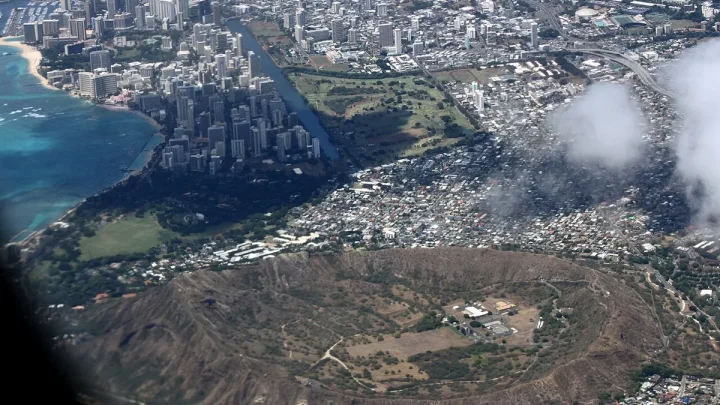
Diamond Head sits on the southern tip of Oahu and catches almost every scrap of south swell. Cliffs offers multiple peaks breaking over a broad, deep reef shelf.
Expect breezy conditions, as trade winds often blow side-onshore by mid-morning. Paddle out at dawn to score glassier conditions and long, carving lefts and rights.
Puena Point
Puena Point is nestled just outside Haleiwa Harbor on the North Shore. A deep bay protects the inside break from the raw, open-ocean energy of massive winter swells.
On days when Pipeline and Sunset are far too large to handle, Puena Point provides manageable three to five-foot rolling waves. The outside peak breaks over reef, while the inside section tapers into deeper, safer water.
Ala Moana Bowls (Smaller Swell Days)
Ala Moana Bowls is the crown jewel of the South Shore. When a south swell runs small to medium (two to four feet), the left-hand point break serves up pristine, peeling walls.
When the swell hits overhead size, the wave becomes hollow and shallow over the reef pass. Save larger days for advanced locals and stick to early morning sessions on modest swell forecasts.
Where Advanced Surfers and Experts Should Surf: High Stakes and Heavy Barrels
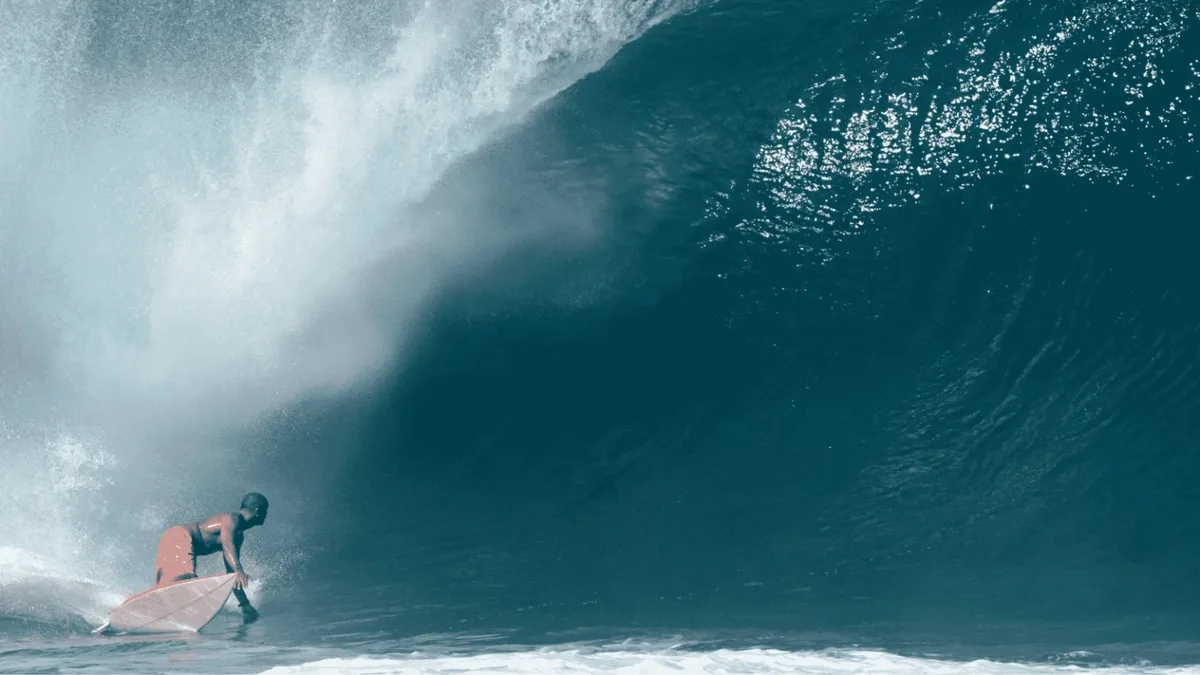
Image source: Web (Bing) / surfhungry.com (Web image (fair-use with source credit))
Advanced breaks on Oahu feature immense wave power, shallow razor-sharp coral ledges, and competitive lineups. These spots demand total physical fitness and expert wave-reading skills.
The North Shore Triple Threat: Pipeline, Sunset Beach, and Waimea Bay
Pipeline, located at Ehukai Beach Park, produces the most famous left-hand barrel in the world over a shallow volcanic shelf. One mistake here carries severe risks of reef impact.
Sunset Beach is a massive, shifting open-ocean peak that requires powerful paddling and a step-up surfboard to handle the deep-water current. Waimea Bay is the original big-wave proving ground, only breaking when northwest swells exceed twenty-foot faces.
Makaha (West Side)
Makaha is the historic home of big-wave surfing on the Leeward coast. The break offers a bowling right-hander that wraps around a prominent point.
The wave handles everything from head-high peelers to massive twenty-foot walls. Respect the tight-knit local community and give right-of-way to resident surfers who have ridden this break for generations.
Kaiser's and Bowls (Solid Summer South)
During major south swells, Kaiser’s and Ala Moana Bowls deliver world-class barreling waves right in urban Honolulu. Kaiser’s is a steep, mechanical right that dumps into a shallow reef bowl.
Bowls produces a heavy, dredging left barrel that drains the reef at low tide. Both waves feature intense crowd competition, requiring decisive paddling and precise drop-ins.
Reading Hawaiian Swell, Wind, and Scale Before You Wax Up
Reading local forecasts correctly prevents dangerous mismatches between your skills and ocean conditions. Wave forecasting in Hawaii uses specific terms and measuring standards that differ from mainland reports.
The most critical distinction is the Hawaiian wave scale. Hawaiian scale measures the back of the wave rather than the open face. A report calling for four-foot surf in Hawaii means the wave face is actually eight feet tall, which is overhead height.
Always double the reported Hawaiian swell size to estimate the true face height you will face in the water.
Wind direction determines wave quality. Standard northeast trade winds blow offshore along the South Shore and cross-offshore on the North Shore. Light morning trades produce clean, glassy conditions.
Kona winds blow from the south or southwest, creating bumpy, onshore chop on southern beaches while cleaning up select northern breaks.
Swell period measures the time in seconds between wave crests. Short-period swells under ten seconds produce weak windswell with choppy peaks. Long-period groundswells between fourteen and twenty seconds pack tremendous energy and create fast, powerful surf.
Tides also shift how waves break over shallow ledges. Oahu has a micro-tidal range of only one to two feet. Even a one-foot drop can expose dry reef shelves at low tide, turning a playful wave into a dangerous hazard.
Unspoken Lineup Etiquette and Critical Reef Safety
Surfing crowded Hawaiian lineups requires strict adherence to safety rules and local respect. Paddling out without knowing the rules creates collision risks for everyone.
The golden rule of surfing is simple. The surfer closest to the breaking curl or peak has the right of way. Dropping in on someone already riding a wave is dangerous and disrespectful.
If two surfers catch a split peak, the surfer going left has priority on the left wall, and the surfer going right has priority on the right wall.
When paddling back out to the lineup, paddle wide through the deep channel rather than through the impact zone. If a set wave approaches, stay in the whitewater rather than paddling across the line of a surfer riding the open face. Never ditch your surfboard, as a loose board propelled by whitewater can severely injure surfers paddling behind you.
Reef cuts are the most common surf injury on Oahu. Living coral and volcanic rock harbor bacteria that cause rapid infections. If you scrape the reef, scrub the cut immediately with fresh water and soap, then apply an antiseptic.
Watch for black spines from sea urchins, known locally as wana, which embed deeply into feet.
Follow warnings from the City and County of Honolulu Ocean Safety division. Check with lifeguards about rip currents and submerged rocks before paddling out. When in doubt, do not go out.
Frequently Asked Questions About Surfing Oahu
What is the best month to surf in Oahu?
The best month depends on your skill level. For advanced surfers seeking world-class waves on the North Shore, November through February delivers peak winter groundswells. For beginners and longboarders wanting warm, gentle rollers in Waikiki, June through August provides consistent south swells and sunny weather.
Can beginners surf on the North Shore?
Beginners can surf the North Shore during the summer months when spots like Chun’s Reef and Kawela Bay are calm. Between October and April, massive swells make North Shore breaks unsafe for novices. During winter, beginners should stick to protected South Shore breaks like Waikiki or White Plains.
Do I need reef booties to surf in Oahu?
Reef booties are helpful at shallow breaks like Diamond Head or Ala Moana Bowls, where walking over urchins and sharp coral is common. Most sandy beginner breaks like Waikiki Canoes and White Plains do not require booties. If you have sensitive feet, lightweight booties provide solid cut protection.
How does the Hawaiian wave scale work?
The Hawaiian scale measures wave height from the back of the swell rather than the front face. This system roughly halves the apparent face height. A four-foot Hawaiian forecast translates to an eight-foot wave face, which is well over head-high for an average surfer.
Where can I rent surfboards on Oahu?
You can rent surfboards right on the sand at Waikiki Beach from historic beach boy concessions. The North Shore has dedicated surf shops in Haleiwa town offering high-performance boards and foamies. Most shops provide daily and weekly rental rates with soft roof racks included for your vehicle.

Similar Posts