Which Island Is Oahu? Everything You Need to Know
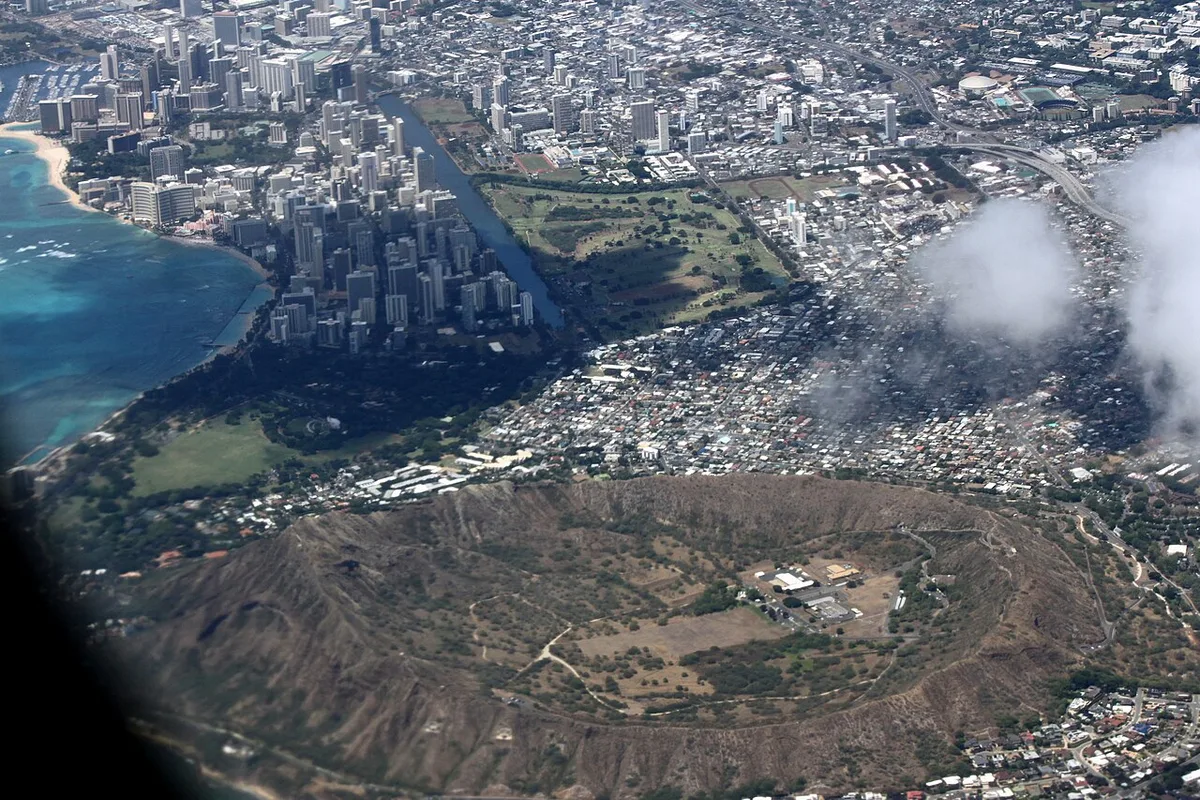
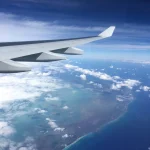
Image source: Wikimedia Commons / Prayitno / Thank you for (12 millions +) view from Los Angeles, USA (CC BY)
If you are planning a trip to the Hawaiian Islands, you might wonder which island is Oahu. Many travelers confuse Oahu with the Big Island or assume Hawaii is just one single city and resort area. In reality, Oahu is an individual island that serves as the governmental, commercial, and cultural hub of the entire state.
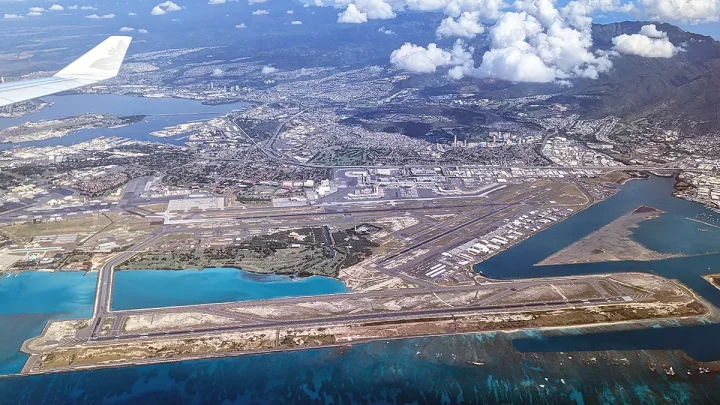
Geographically, Oahu covers roughly 597 square miles and houses nearly one million residents as of 2026. Official data from the State of Hawaii Department of Transportation confirms that Oahu also hosts the state's main international aviation hub. Understanding where Oahu sits within the archipelago makes planning flights, activities, and itineraries straightforward.
Quick Answer: What and Where Is Oahu?
Oahu is the third-largest island in the Hawaiian archipelago. It sits between Kauai to the northwest and Molokai to the southeast. The island contains the state capital of Honolulu and famous Waikiki Beach.
It holds the nickname "The Gathering Place" because most residents live here. People know it best for historic Pearl Harbor and dramatic volcanic craters.
Mapping Oahu’s Position in the Hawaiian Island Chain
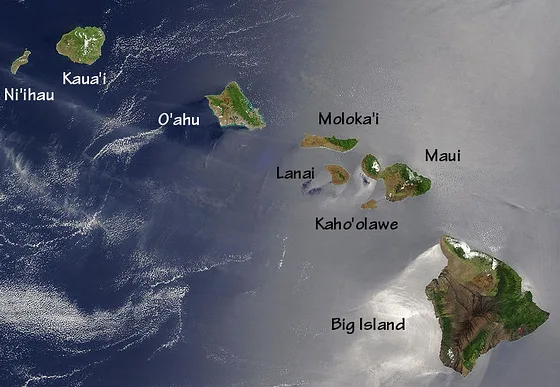
Image source: Web (Bing) / livinginhawaii.com (Web image (fair-use with source credit))
To locate Oahu on a map, look toward the middle of the main Hawaiian island chain. Hawaii consists of eight major volcanic islands stretching across the central Pacific Ocean. Oahu sits in the upper-middle section of this southeastern-to-northwestern chain.
Two deep ocean channels border the island on either side:
- The Kaiwi Channel separates Oahu from Molokai and Maui to the southeast.
- The Kauai Channel (Kaieie Waho Channel) separates Oahu from Kauai to the northwest.
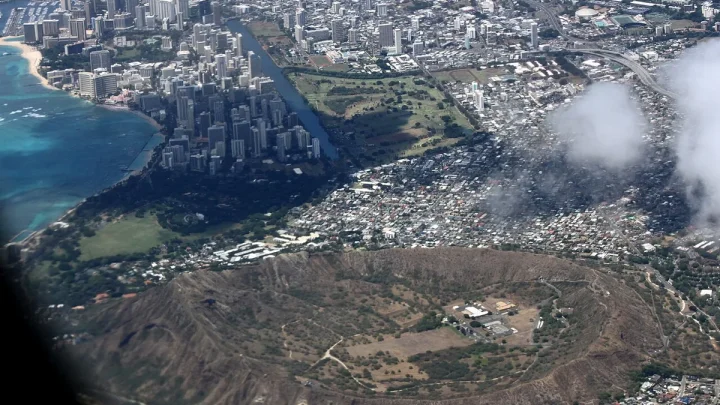
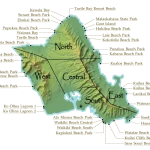
Two extinct shield volcanoes formed the island millions of years ago. Today, those remnants create the Koolau Mountain Range along the east and the Waianae Mountain Range along the west. A broad central plateau connects these two ridges, creating the distinct diamond-like footprint you see on satellite maps.
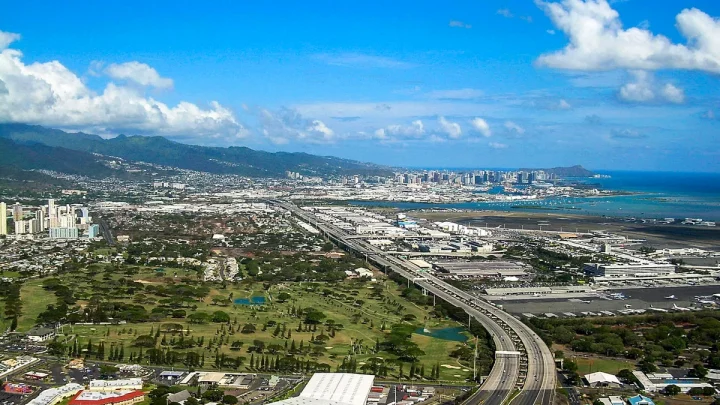
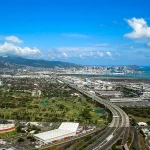
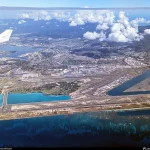
Because of its central location, Oahu functions as the operational crossroads of the Pacific. Most international flights land at Daniel K. Inouye International Airport (HNL) in southern Oahu before passengers transfer to regional flights.
The Core Regions: How Oahu Is Divided Geographically
Oahu divides into five distinct geographic regions. Each area features unique weather patterns, landscapes, and cultural atmospheres.
Honolulu and the South Shore
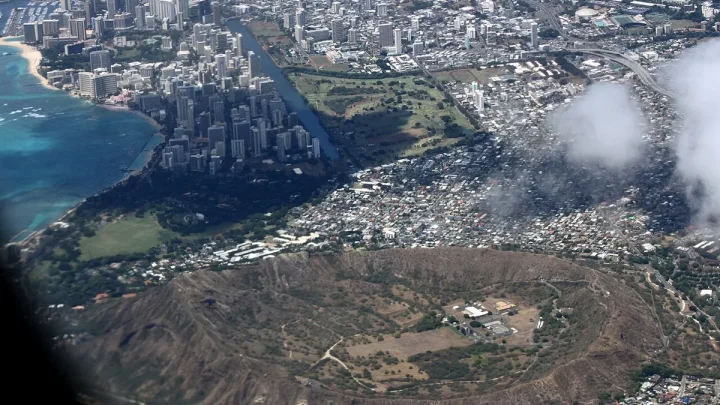
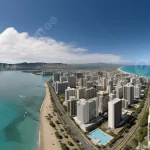
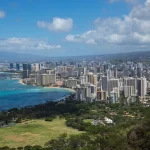
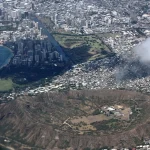
The South Shore contains Honolulu, the state capital and the largest city in Hawaii. This region includes Waikiki, historic downtown Honolulu, and prominent volcanic craters like Punchbowl and Diamond Head. It is the most densely populated section of the island and features calm, southern ocean swells.
The Windward Coast (East)
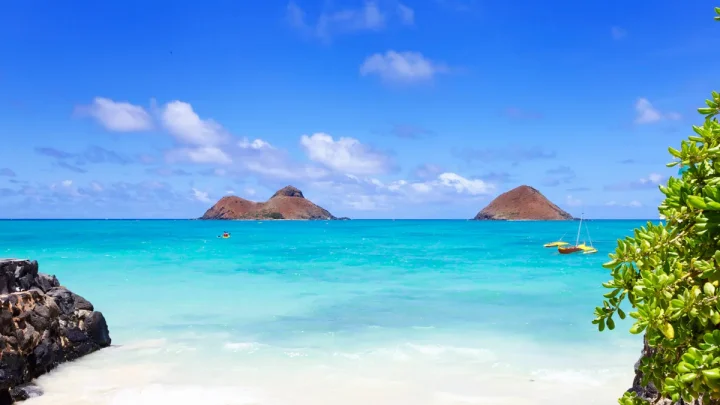
The Windward Coast sits along the eastern slopes of the Koolau Mountains. Trade winds blow moisture directly against these cliffs, creating lush greenery and frequent passing showers. Towns like Kailua and Kaneohe sit here, famous for turquoise bays, offshore bird sanctuaries, and white sand beaches.
The North Shore
The North Shore stretches along the island's upper coast, centered around the historic surf town of Haleiwa. In summer, the ocean here remains remarkably flat and clear. During winter months, powerful northern Pacific storms generate massive surf breaks that draw professional competitions.
The Leeward Coast (West) and Central Valley
The Leeward Coast sits on the western side of the Waianae Range. The mountains block most trade wind rain, making this coast hot, dry, and sunny. Further inland, the Central Valley spans the red-dirt agricultural corridor between Wahiawa and Pearl City.
Oahu vs. The Other Major Hawaiian Islands
Travelers frequently confuse Oahu with other islands in the chain. The most common mix-up occurs between Oahu and the Island of Hawaii (commonly called the "Big Island").
The table below breaks down the key geographic differences across the four most visited islands:
| Island | Nickname | Size Ranking | Top Defining Feature |
|---|---|---|---|
| Oahu | The Gathering Place | 3rd largest | Honolulu, Waikiki, Pearl Harbor |
| Island of Hawaii | The Big Island | 1st largest | Active volcanoes (Kilauea, Mauna Loa) |
| Maui | The Valley Isle | 2nd largest | Haleakala Crater, Road to Hana |
| Kauai | The Garden Isle | 4th largest | Waimea Canyon, Napali Coast |
If your goal is to see active volcanic eruptions and lava fields, you need the Big Island, not Oahu. Oahu's volcanoes are completely extinct.
If you want a mix of vibrant city nightlife, world-class museums, and secluded surf breaks, Oahu is the correct island. It combines modern public infrastructure with accessible coastal parks.
Key Identifiers and Landmarks That Place You on Oahu
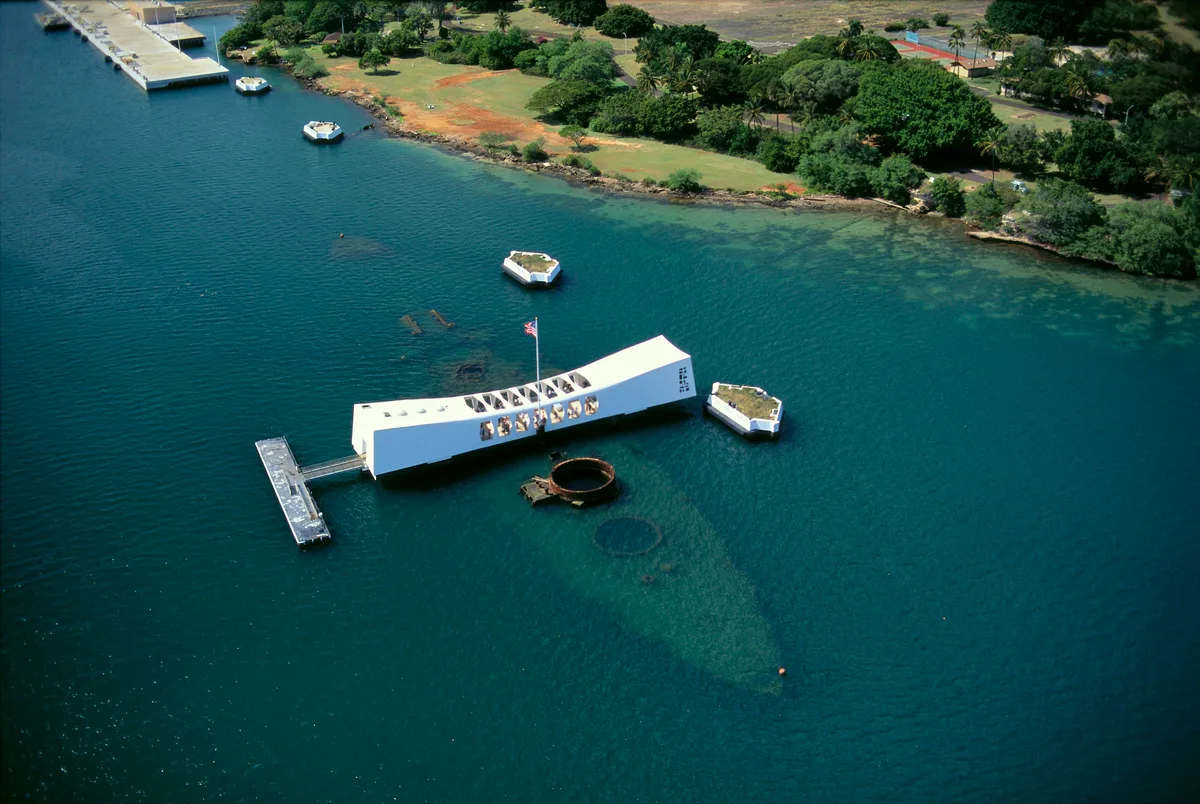
Image source: Web (Bing) / tripsavvy.com (Web image (fair-use with source credit))
Several world-famous landmarks belong exclusively to Oahu. If a photo or itinerary includes any of the following locations, the setting is definitely Oahu:
- Pearl Harbor National Memorial: The historic naval base and USS Arizona Memorial managed by the National Park Service.
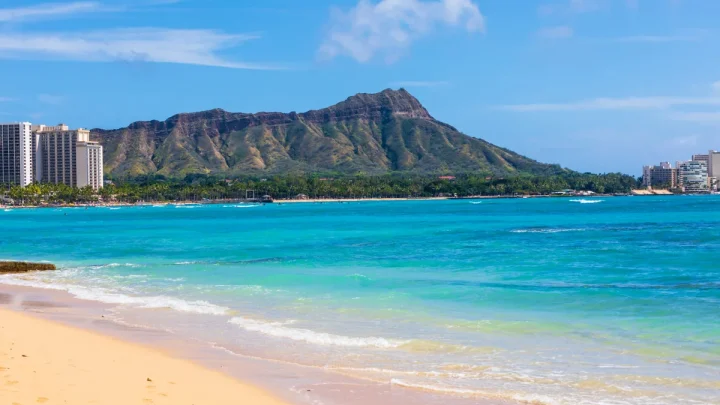
- Diamond Head State Monument (Leahi): The iconic volcanic tuff cone framing the eastern edge of Waikiki.
- Iolani Palace: The only official royal palace on United States soil, located in downtown Honolulu.
- Banzai Pipeline and Waimea Bay: World-famous surf breaks located along the North Shore.
- Hanauma Bay Nature Preserve: A protected volcanic marine bay renowned for shallow snorkeling and coral reefs.
Recognizing these landmarks ensures you never book accommodations or flights to the wrong Hawaiian destination.
Common Mistakes Travelers Make About Oahu's Geography
Travel planning errors often happen when visitors misunderstand how Hawaii's geography works. The naming conventions across the island chain can easily lead to costly booking mix-ups.
Here are the most frequent geographic misunderstandings to watch out for:
- Booking the wrong airport code: Flying into Kona (KOA) or Hilo (ITO) lands you on the Big Island. If your hotel is in Waikiki, your destination airport code must be HNL (Daniel K. Inouye International Airport).
- Assuming you can drive between islands: Hawaii has no bridges, highways, or regular passenger ferries connecting Oahu to Maui, Kauai, or the Big Island. Traveling between islands requires booking an inter-island commercial flight.
- Confusing the state name with the island name: "Hawaii" refers to both the entire 50th state and the largest individual island. Oahu is a separate landmass within the state of Hawaii.
- Underestimating drive times: Oahu looks compact on a map, measuring just 44 miles long and 30 miles wide. Heavy rush-hour traffic along the H-1 freeway corridor can turn a short 15-mile drive into an hour-long commute.
- Expecting active lava: Oahu has not experienced volcanic activity in tens of thousands of years. All active lava viewing occurs exclusively within Hawaii Volcanoes National Park on the Big Island.
Frequently Asked Questions About Oahu
Is Oahu the same thing as Honolulu?
No, Oahu is the entire island, while Honolulu is the major city located along its southeastern coast. Honolulu serves as both the state capital and the municipal government seat for the whole island. In practice, the City and County of Honolulu covers the entire island of Oahu.
Which Hawaiian island has Waikiki Beach?
Waikiki Beach is located entirely on the south shore of Oahu. It sits directly adjacent to downtown Honolulu, framed by Diamond Head crater to the east. You will not find Waikiki on Maui, Kauai, or the Big Island.
What is Oahu's nickname?
Oahu is known as "The Gathering Place." Ancient Hawaiian traditions and modern demographics support this name. Today, approximately 70 percent of Hawaii's total population resides on Oahu, making it the primary cultural and economic center of the archipelago.
Can you take a ferry from Oahu to Maui or Kauai?
No passenger ferry service runs between Oahu and the neighboring islands. Hawaii's deep inter-island ocean channels have rough open waters that make passenger ferries impractical. Travelers must book short inter-island flights, which usually take about 30 to 45 minutes gate-to-gate.
How many days should you spend on Oahu?
Most travel itineraries benefit from spending four to seven days on Oahu. This timeframe allows you to explore historic Pearl Harbor, spend time in Honolulu, hike coastal ridges, and take day trips out to the North Shore and Windward beaches.

Similar Posts