Which Side of Oahu Is Windward? A Local’s Guide
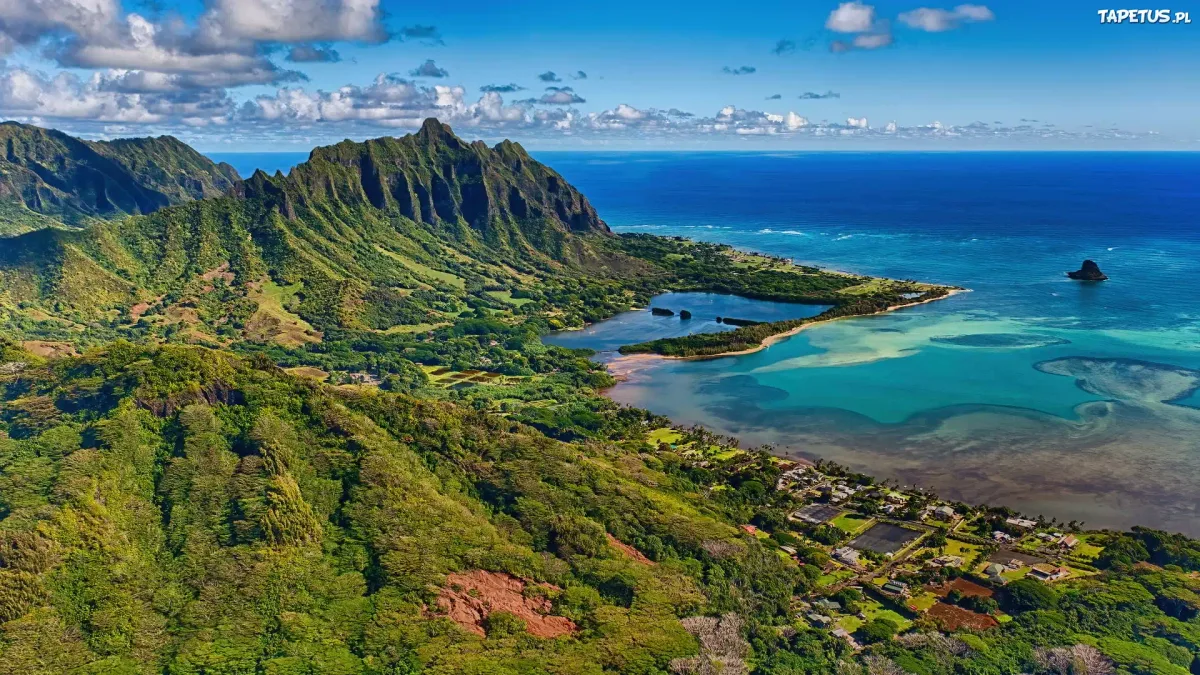
Image source: Web (Bing) / tapetus.pl (Web image (fair-use with source credit))
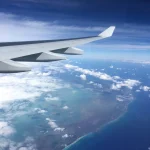
Figuring out which side of Oahu is windward is one of the most useful things to learn before exploring the island. The windward side is the entire eastern and northeastern coast of Oahu. It faces the incoming trade winds that sweep across the Pacific Ocean, creating a lush and dramatically green environment.
Records from the National Oceanic and Atmospheric Administration show that trade winds blow across these eastern shores roughly 70 percent of the year. This steady airflow creates a unique microclimate that sets the east coast apart from the rest of the island.
Quick Answer: Where to Find the Windward Coast on Oahu
The windward side of Oahu sits on the eastern and northeastern coast. It stretches from Kahuku Point in the north down to Makapuʻu Point. The massive Koʻolau Mountain Range borders its entire western edge.
This side catches direct trade winds blowing off the open ocean. It includes major towns like Kailua, Kāneʻohe, and Waimānalo.
The Geography: How the Koʻolau Mountains Define Windward Oahu
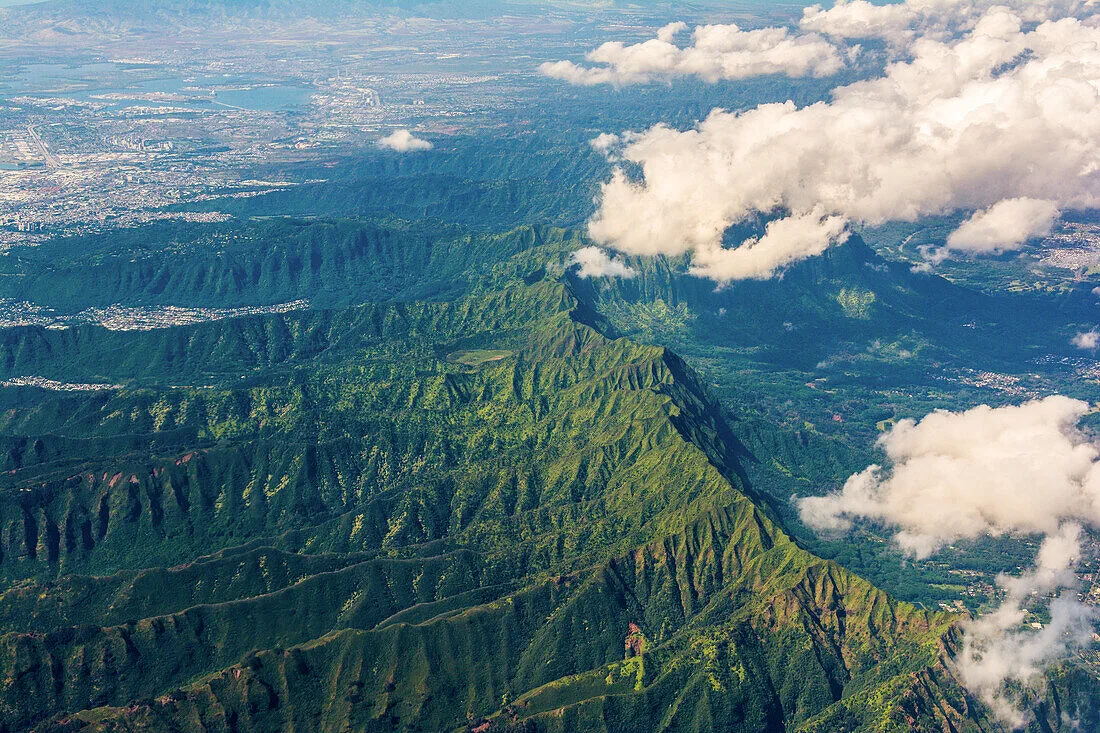
Image source: Web (Bing) / terragalleria.com (Web image (fair-use with source credit))
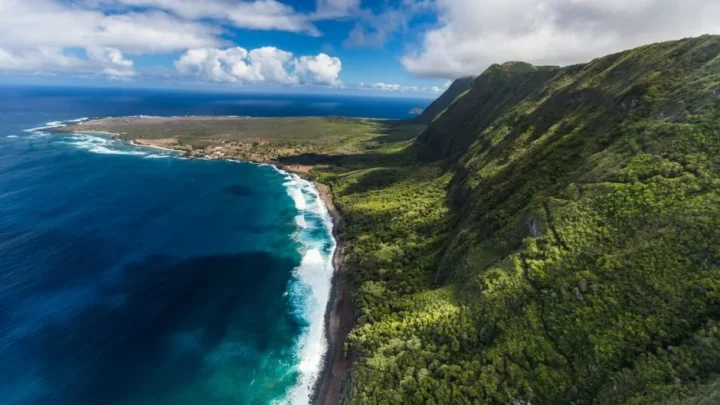
To understand where the windward side sits, you have to look at the spine of the island. Oahu was formed by two separate shield volcanoes, Waiʻanae in the west and Koʻolau in the east. The eroded remnants of the Koʻolau volcano now form the sheer, fluted mountain wall known as the Koʻolau Range.
This mountain ridge acts as a giant physical divider. Everything east of the ridge crest facing the open ocean is the windward side. Everything west and south of the mountains sits in the sheltered leeward zone.
Visualizing the Island's Natural Divide
Picture looking at a map of Oahu from above. The island roughly resembles a diamond.
- The top point is the North Shore (around Haleʻiwa and Turtle Bay).
- The bottom point is the South Shore (Honolulu and Waikīkī).
- The left point is the Leeward Coast (Waiʻanae and Ko Olina).
- The entire right slope from top to bottom is the Windward Coast.
When you stand on a windward beach and look inland, you will see a continuous wall of vertical green cliffs rising directly into the clouds.
Boundaries: From Kahuku Point Down to Makapuʻu
The windward coastline extends over roughly 40 miles of shoreline. At the northern end, the boundary begins near Kahuku Point, where the coast curves around from the North Shore.
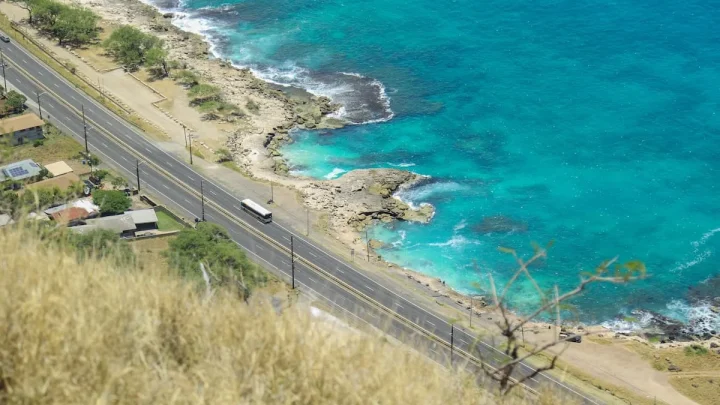
As you travel southeast, the windward region takes in rural communities like Lāʻie, Hauʻula, and Kaʻaʻawa before opening up into Kāneʻohe and Kailua. The windward side officially ends at Makapuʻu Point on the southeastern tip, where the highway rounds the rocky sea cliffs toward East Honolulu.
What It Feels Like: Windward Weather, Microclimates, and Trade Winds
The windward side gets its name directly from meteorology. Prevailing northeast trade winds, known in Hawaiian as Moaʻe, travel thousands of miles over the open Pacific. When these warm, moisture-laden breezes hit the sheer face of the Koʻolau Mountains, the air is forced upward.
This process is called orographic lift. As the air rises, it cools and condenses into clouds, dropping rain along the windward slopes. Atmospheric research from the University of Hawaiʻi shows that the Koʻolau summits receive between 100 and 200 inches of rainfall annually.
| Climate Factor | Windward Coast | Leeward / South Coast |
|---|---|---|
| Dominant Airflow | Direct, continuous ocean breezes (10 to 25 mph) | Sheltered, lighter offshore or cross winds |
| Annual Rainfall | Moderate to high (40 to 80+ inches on coast) | Low to dry (15 to 30 inches) |
| Landscape | Emerald green, dense rainforest, tropical foliage | Sun-bleached grasses, kiawe trees, arid scrub |
| Daytime Temperatures | Mild and refreshing (76°F to 84°F) | Warm and arid (82°F to 90°F) |
Rain showers on the windward coast are usually brief and passing. A quick 10-minute shower often clears immediately, leaving behind bright sunshine and vibrant trade-wind rainbows.
Major Towns, Beaches, and Landmarks on the Windward Coast
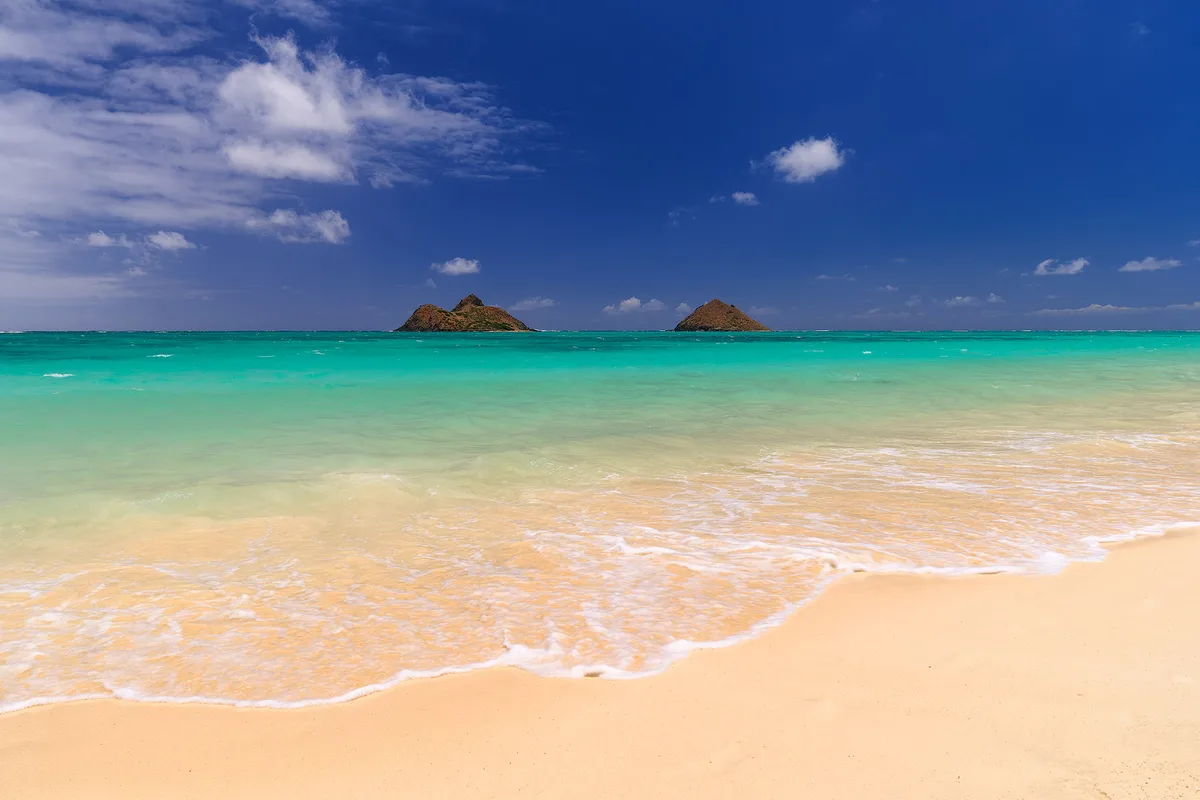
Image source: Web (Bing) / andrewshoemaker.com (Web image (fair-use with source credit))
The windward side contains some of the most famous natural scenery in the Hawaiian Islands. Because large-scale resort development is restricted here, the area retains a relaxed, residential feel.
Kailua, Lanikai, and Waimānalo
Kailua is the cultural and commercial hub of the windward side. It is a bustling beach town filled with local boutiques, coffee shops, and rental spots for water sports.
- Kailua Beach Park: Famous for soft white sand and gentle shorebreak, perfect for swimming and launching kayaks.
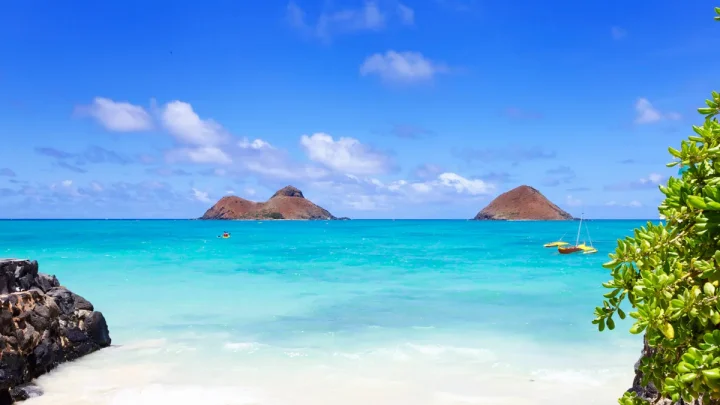
- Lanikai Beach: Frequently ranked among the world's best beaches, offering clear turquoise water and views of the two offshore Mokulua Islands.
- Waimānalo Beach: A massive, four-mile stretch of undeveloped coastline backed by ironwood trees with stunning turquoise shorebreak.
Kāneʻohe Bay, Kualoa, and the Upper Coast
North of Kailua sits Kāneʻohe, a larger residential district set around a protected barrier reef bay.
- Kāneʻohe Bay Sandbar: A raised strip of sand in the middle of the bay that emerges at low tide, popular for boating and snorkeling.
- Hoʻomaluhia Botanical Garden: A 400-acre lush rainforest garden set right at the foot of the dramatic Koʻolau cliffs.
- Byodo-In Temple: A stunning non-denominational replica of an ancient Japanese temple situated in the Valley of the Temples.
- Kualoa Regional Park: A scenic coastal park facing the iconic offshore islet of Mokoliʻi, often called Chinaman's Hat.
Windward vs. Leeward vs. South Shore: How the Sides Compare
Every side of Oahu offers a completely different atmosphere. Understanding these differences helps you decide where to stay and how to plan your days.
| Feature | Windward Side | Leeward Side | South Shore |
|---|---|---|---|
| Primary Vibe | Laid-back, scenic, lush | Quiet, dry, resort-focused | Energetic, urban, walkable |
| Ocean Conditions | Breezy, small reef waves, great for kayaking | Calm bays, scuba diving, boat charters | Consistent surf breaks, sheltered swimming |
| Best For | Day trips, photography, pristine beaches | Luxury resort stays, calm sunsets | Dining, nightlife, shopping |
| Notable Areas | Kailua, Lanikai, Kāneʻohe | Ko Olina, Waiʻanae, Mākaha | Waikīkī, Diamond Head, Ala Moana |
As of 2026, vacation rental rules on Oahu strictly limit short-term rentals in residential windward neighborhoods. Most visitors choose to base themselves in Waikīkī or Ko Olina and make frequent day trips across the island to experience the windward scenery.
How to Get to the Windward Side from Honolulu and Waikīkī
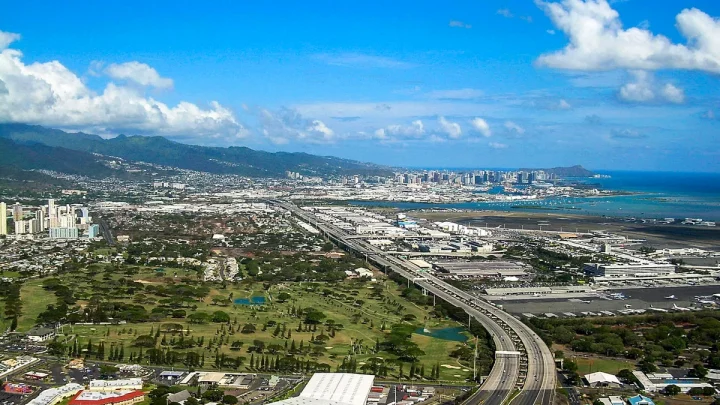
Reaching the windward coast from Honolulu is straightforward. Three major mountain highways cut directly through the Koʻolau Range via tunnels, while a fourth scenic route wraps around the southern coast.
- Pali Highway (Route 61): This is the most historic route connecting downtown Honolulu directly to Kailua and Kāneʻohe. It passes through the Nuʻuanu Pali Tunnels and offers access to the famous Nuʻuanu Pali Lookout, where you get panoramic views of the entire windward coastline.
- Likelike Highway (Route 63): This highway connects the Kalihi valley to Kāneʻohe via the Wilson Tunnels. It is a practical route for reaching northern windward attractions like Kualoa and the Byodo-In Temple.
- Interstate H-3 (John A. Burns Freeway): Often described as one of the most scenic highway drives in the United States, H-3 winds through the Halawa Valley and punches through the mountains via the Tetsuo Harano Tunnels into Kāneʻohe.
- Kalanianaʻole Highway (Route 72): For a leisurely coastal drive, head east around Diamond Head and Koko Head. This route follows the rocky southeastern shoreline past Sandy Beach before rounding Makapuʻu Point into Waimānalo.
Drive times from Waikīkī to Kailua or Kāneʻohe generally range between 25 and 40 minutes under normal traffic conditions. Morning rush hour westbound toward Honolulu and afternoon rush hour eastbound toward the windward side can add delays.
Essential Safety and Travel Tips for Windward Visitors
A trip to the windward side is easy to manage, but the unique coastal environment requires a few practical precautions.
- Watch for Portuguese Man o' War: Steady trade winds frequently push these stinging siphonophores into windward bays. Always check lifeguard warning signs at beaches like Kailua, Waimānalo, and Makapuʻu before entering the water.
- Respect Parking Regulations in Lanikai: The residential neighborhood fronting Lanikai Beach has strict parking enforcement. Parking on bike lanes, blocking driveways, or parking within four feet of driveways results in swift ticketing and towing. Weekend and holiday street parking bans are common.
- Prepare for Sudden Showers: Windward rain showers often appear without warning. Keep a small dry bag for your electronics and phone when visiting the beach or hiking nearby ridges.
- Check Ocean Current Warnings: Shorebreak at Makapuʻu Beach and Sandy Beach is powerful and causes frequent neck and back injuries. If lifeguards post red flags, stay out of the shorebreak zone.
Frequently Asked Questions About Windward Oahu
Is Kailua on the windward side of Oahu?
Yes, Kailua is on the windward side of Oahu. It sits directly on the southeastern windward coast along Kailua Bay. The town is famous for its steady ocean breezes, white-sand beaches, and clear views of the Koʻolau mountain peaks rising directly behind the community.
Why is the windward side of Oahu so green?
The windward side is green because of orographic precipitation. Warm trade winds absorb moisture over the ocean and hit the steep Koʻolau Mountains. The air rises, cools, and drops heavy rainfall along the mountain slopes, creating lush rainforest conditions and feeding continuous greenery.
Is it always raining on the windward coast?
No, it is not always raining on the windward coast. While the mountain summits receive frequent rain, coastal towns like Kailua and Waimānalo get plenty of sunshine. Rain showers on the coast are usually short, passing trade showers that last just a few minutes before the sun returns.
How long does it take to drive from Waikīkī to the windward side?
Driving from Waikīkī to the windward side takes roughly 25 to 35 minutes under normal conditions. Taking the Pali Highway (Route 61) or the H-3 Freeway provides the quickest route across the mountains. The scenic coastal route along Highway 72 takes about 45 to 55 minutes.
What is the difference between the windward and leeward sides of Oahu?
The windward side faces northeast and receives direct trade winds, higher rainfall, and lush green landscapes. The leeward side faces west, protected behind the mountain ranges. As a result, the leeward coast is much hotter, drier, and sunnier, featuring arid terrain and calm ocean bays.
🚗 Field-Tested Gear: Oahu Road Trips & Rental Car Protection
Avoid costly rental car detailing penalties from wet sand and keep navigation seamless across island mountain corridors with these road trip essentials:
- Waterproof Neoprene Car Seat Towel Covers:Check Waterproof Rental Seat Covers on Amazon →
- Magnetic Air Vent Car Phone Mount & GPS Companion:Check Travel Air Vent Car Mounts on Amazon →
*FTC Disclosure: As an Amazon Associate, Hawaii Travel Bureau earns from qualifying purchases. Learn more about our field-tested travel research methodology.*
🌺 Related Oahu Driving & Transit Guides:

Similar Posts