Should You Travel to Oahu Right Now? What to Know
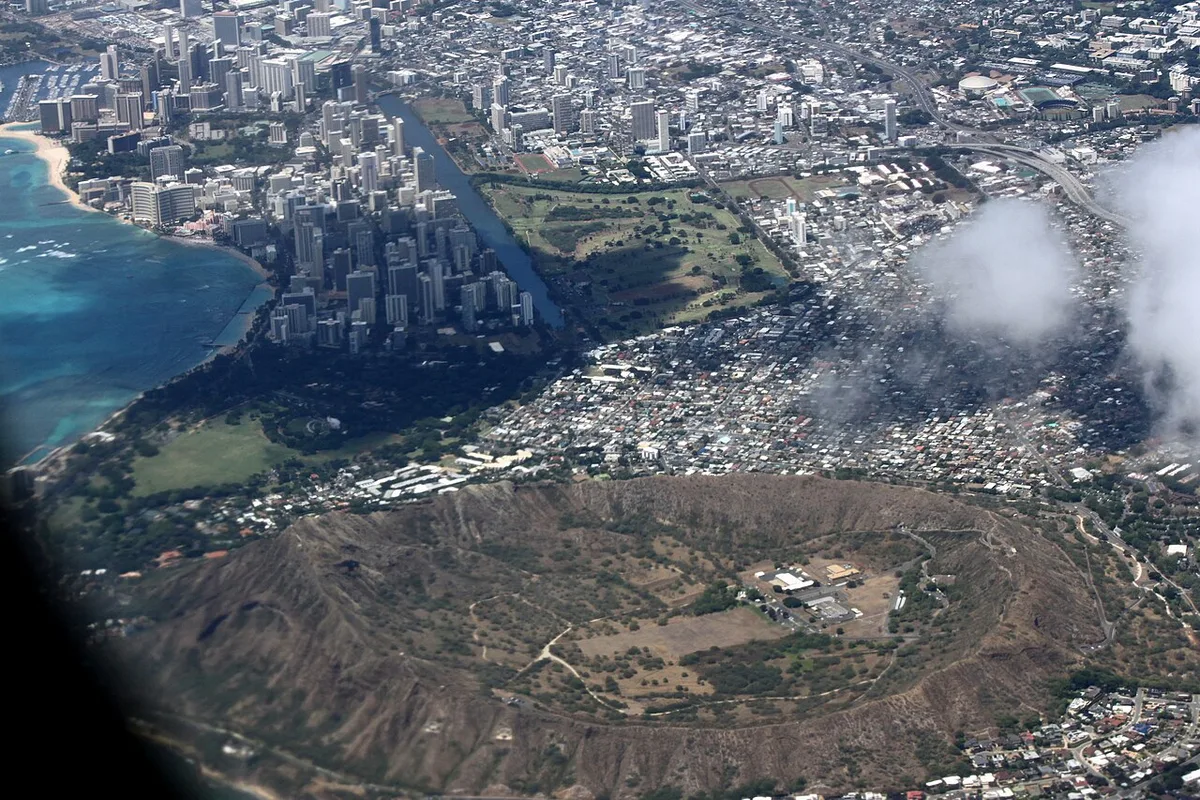
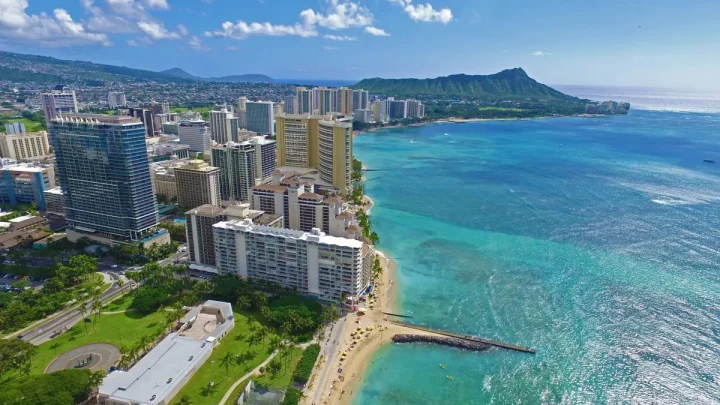
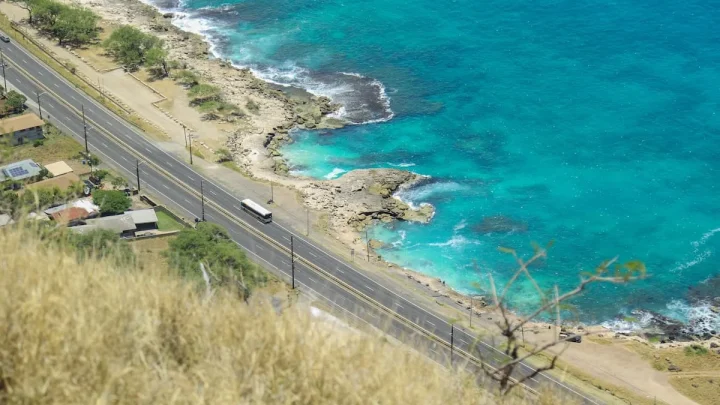
Image source: Wikimedia Commons / Prayitno / Thank you for (12 millions +) view from Los Angeles, USA (CC BY)
Planning a Hawaiian vacation brings up one major question: should I travel to oahu right now? The answer depends on your budget, your patience for crowds, and the seasonal ocean conditions. Oahu offers world-class dining, historic landmarks, and warm tropical weather throughout the year.
Official tourism metrics show average daily hotel rates hovering around $320 across Honolulu. Furthermore, high travel periods bring strict reservation requirements for popular state parks. Looking closely at real seasonal trade-offs will help you decide if Oahu matches your travel goals today.
Quick Answer
🌺 Local Island Guide Quick Answer
You should visit Oahu now if you want vibrant culture, dining, and beaches. The island is fully open to travelers. Expect higher lodging costs and mandatory site reservations as of 2026.
Winter brings giant surf to the North Shore. Summer offers calm swimming across all coasts.
The Quick Verdict: Is Oahu the Right Island for Your Trip Right Now?
Oahu balances urban city conveniences with raw tropical beauty better than any neighbor island. If you want walkability, diverse international food, and historic sites like the Pearl Harbor National Memorial, it is an unbeatable choice. It is also the easiest island to explore if you want to avoid driving every day.
However, travelers seeking empty beaches, total solitude, or ultra-low budgets might feel frustrated. Waikiki stays bustling, and parking in resort zones is pricey. The table below provides a quick snapshot to help you decide.
| Factor | Current Island Reality | Best Suited For |
|---|---|---|
| Crowd Levels | High in Waikiki and North Shore hotspots | Social travelers, first-timers, foodies |
| Weather | 78°F to 88°F year-round with localized rain | Sun-seekers and outdoor hikers |
| Ocean Safety | Large winter waves up north, calm south shores | Surfers in winter, swimmers in summer |
| Budget Demands | Elevated hotel rates and parking fees | Mid-range to luxury budgets |
| Transit Access | Excellent public bus system (TheBus) | Travelers who prefer not to rent a car |
The Core Decision Factors: Timing, Weather Patterns, and Swells
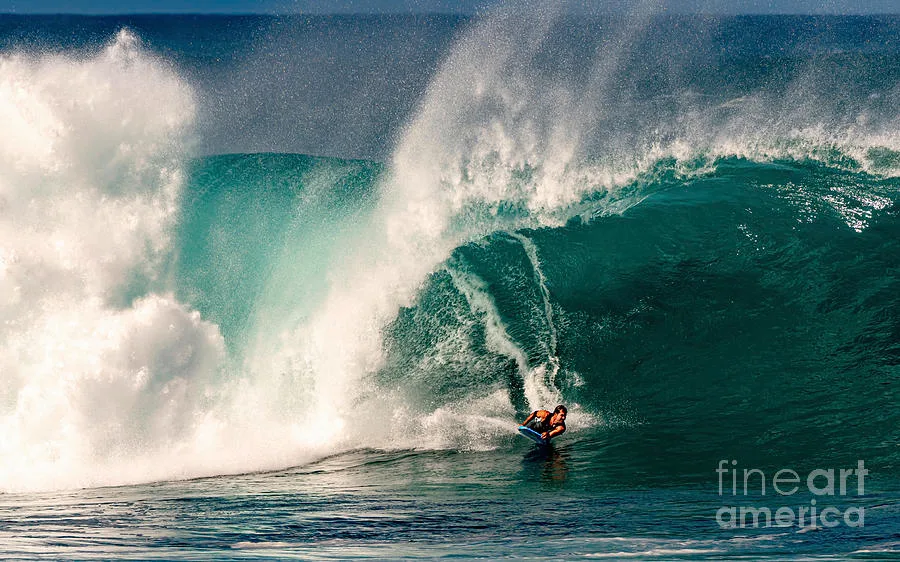
Image source: Web (Bing) / fineartamerica.com (Web image (fair-use with source credit))
Your experience on Oahu changes dramatically depending on the month you arrive. Ocean swells, seasonal rainfall, and school break calendars shape daily life on the island.
High Season Crowds vs. Shoulder Season Deals
Peak travel hits Oahu from mid-December through April, and again from June through August. During these months, flights and hotel rooms command premium rates. Popular beaches fill up by mid-morning, and rental cars sell out fast.
If your schedule is flexible, target the shoulder seasons of April to May or September to November. During these windows, tourist numbers dip significantly. You will find cheaper airfare, better hotel availability, and far more breathing room on the sand.
Understanding Oahu’s Microclimates and Ocean Swells
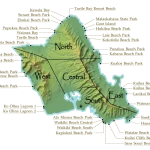
Oahu features distinct microclimates created by its volcanic mountain ranges. The Windward coast (Kailua, Kaneohe) and lush valleys receive frequent tropical showers that keep the landscape green. The Leeward coast (Ko Olina, Kapolei) and South Shore (Waikiki) remain mostly dry and sunny year-round.
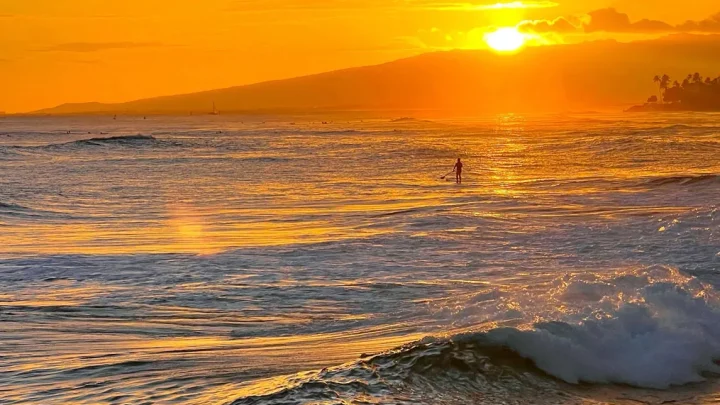
Ocean conditions also follow a strict seasonal schedule. Between November and March, powerful northern swells create massive waves along the North Shore at Banzai Pipeline and Waimea Bay. These waves offer incredible surf watching, but swimming is strictly unsafe for casual beachgoers.
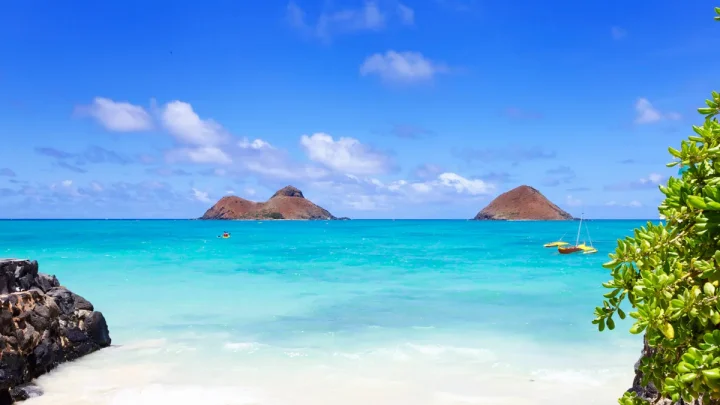
Between May and September, the dynamic flips. The North Shore turns into a calm, glass-like pool ideal for snorkeling, while the South Shore sees fun, approachable summer surf breaks.
The Cost Reality: What Visiting Oahu Actually Costs Right Now
Visiting Oahu requires realistic budgeting for lodging, transportation, and daily meals. Prices have risen across all hospitality sectors, making advance planning necessary.
Lodging Rates, Taxes, and Hidden Resort Fees
Hotels in Waikiki and Ko Olina average between $280 and $450 per night for standard rooms. On top of the base room rate, state and county lodging taxes add roughly 17.75 percent to your final bill.
Most beachfront properties also tack on mandatory daily resort amenity fees ranging from $35 to $60 per night. Always factor these extra fees into your price comparisons before locking in a reservation.
Transportation Math: Rental Cars, Parking Fees, and TheBus
Renting a vehicle for your entire stay in Waikiki is often an expensive mistake. Overnight hotel parking in Waikiki commonly runs between $45 and $75 per night.
- Renting Full-Time: $50/day rental + $55/night parking + fuel = ~$120+ per day.
- The Hybrid Approach: Rent a car from a neighborhood depot for just 1 or 2 days to explore the North Shore and Windward coast.
- Public Transit: Ride TheBus, which costs just $3.00 per single ride with a reusable Holo card, reaching nearly every major attraction on the island.
The Oahu Decision Tree: Which Type of Traveler Fits Right Now?
Use this situational guide to see if current island conditions match your specific travel needs.
Go Now If: First-Timers, Foodies, and Winter Surf Spectators
- You are a first-time visitor to Hawaii: Oahu gives you a complete cross-section of Hawaiian history, diverse culture, luaus, and postcard-perfect beaches.
- You love incredible food: Honolulu boasts one of the most vibrant culinary scenes in the Pacific, from casual garlic shrimp trucks to high-end local fusion.
- You want to watch world-class surfing: Winter brings the Vans Triple Crown and massive swells to legendary North Shore beaches.
- You prefer not to drive on vacation: Waikiki is exceptionally walkable, with easy access to rideshares, tour shuttles, and public buses.
Hold Off or Pick Another Island If: Seclusion Seekers and Budget Swimmers
- You want quiet, untouched solitude: Kauai or the Island of Hawaii offer far lower population densities and quieter shorelines.
- You want calm North Shore swimming during the winter: Dangerous shorebreaks make casual ocean swimming unsafe on northern beaches from November to March.
- You are on a very strict shoestring budget: High grocery costs, lodging taxes, and activities make Hawaii a challenging budget destination right now.
Essential Advance Bookings and New Regulations You Need to Know
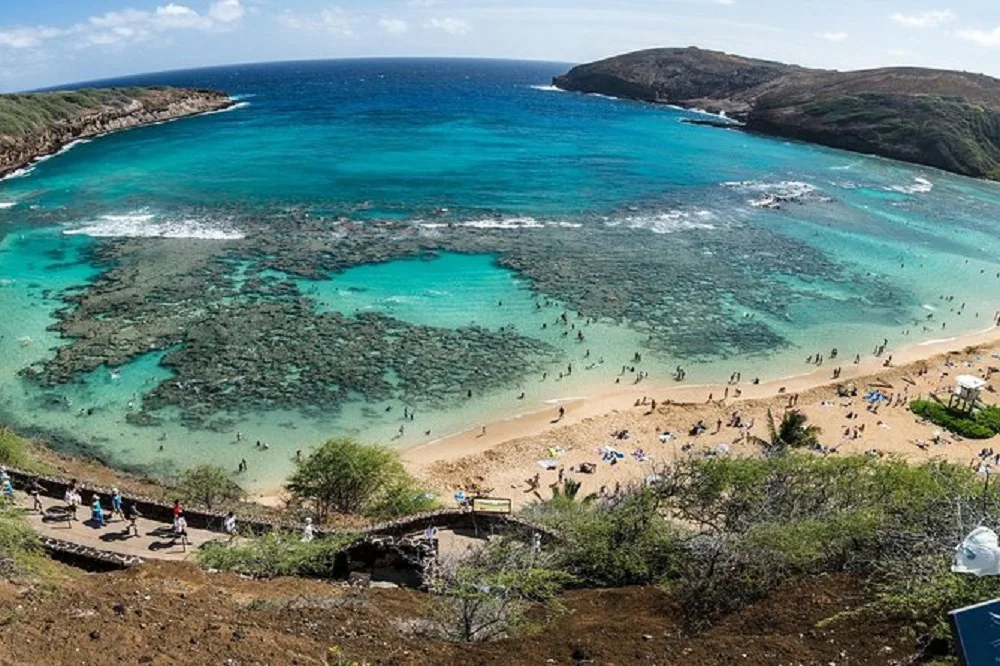
Image source: Web (Bing) / hanaumabay.info (Web image (fair-use with source credit))
Oahu manages overtourism and environmental preservation through mandatory online reservation systems for its most popular public sites. Showing up at the gate without a permit will result in being turned away.
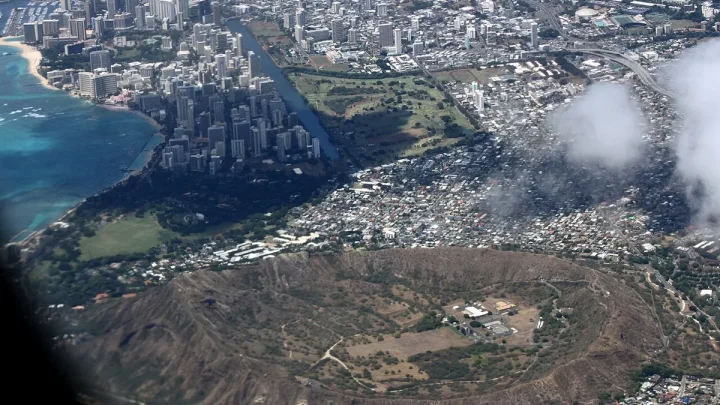
Mandatory Site Permits: Diamond Head, Hanauma Bay, and Pearl Harbor
To protect fragile ecosystems and reduce neighborhood traffic, several major attractions require advance online bookings:
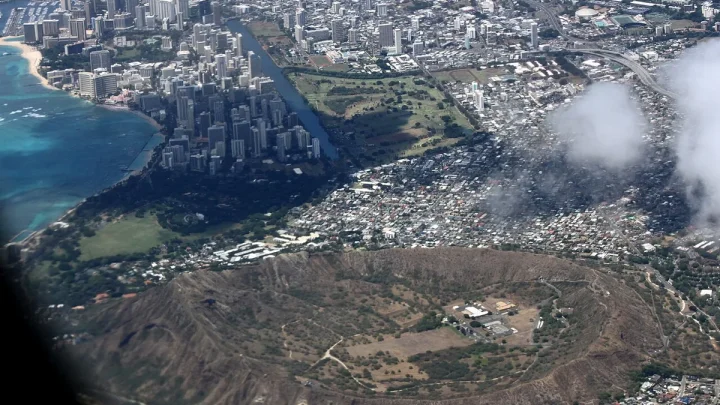
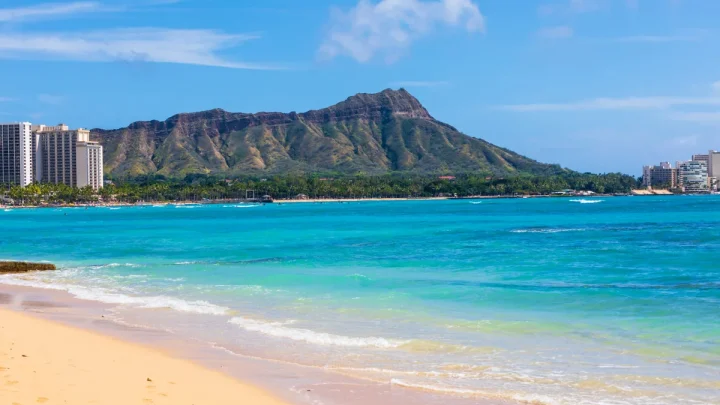
- Diamond Head State Monument (Lēʻahi): Out-of-state visitors must reserve a timed entry and parking slot up to 30 days ahead through the state park portal.
- Hanauma Bay Nature Preserve: Snorkelers must book entry tickets online exactly two days in advance at 7:00 AM Hawaii Standard Time. Tickets sell out in minutes.
- USS Arizona Memorial (Pearl Harbor): Free boat tour reservations are released online via Recreation.gov eight weeks in advance, with an additional batch released 24 hours prior.
Ocean Safety, Wildlife Laws, and Reef-Safe Sunscreen Mandates
Hawaii law strictly protects marine life and coral reef systems. State guidelines enforced by the State of Hawaii Department of Land and Natural Resources require visitors to stay at least 10 feet away from resting Hawaiian monk seals and 8 feet away from green sea turtles (honu).
State environmental legislation also bans the sale and distribution of sunscreens containing oxybenzone and octinoxate. Pack or buy mineral-based sunscreens made with non-nano zinc oxide or titanium dioxide to help protect the island's delicate reefs.
Common Mistakes That Ruin an Oahu Trip (And How to Avoid Them)
A trip to Oahu can turn stressful if you make a few simple planning errors. One frequent mistake is trying to circle the entire island in a single afternoon. Traffic along Kamehameha Highway on the North Shore frequently slows to a crawl near popular surf spots and food truck hubs.
Plan single-region excursions instead of marathon driving loops.
Another common blunder is ignoring daily ocean warning flags. Shorebreak injuries happen fast at beaches like Sandy Beach and Waimea Bay. Always consult active lifeguard stations and check official bulletins from the National Weather Service Honolulu Office before stepping into unfamiliar surf.
- Do not leave valuables in rental cars: Vehicle break-ins occur frequently at unmonitored beach park trailheads. Keep your luggage at your hotel or carry your essentials in a small dry bag.
- Do not attempt closed trails: The famous Haʻikū Stairs (Stairway to Heaven) is strictly closed, actively dismantled, and heavily patrolled by security. Trespassers face steep fines exceeding $1,000.
- Do not park in tow zones in Kailua: Residential beach neighborhoods strictly enforce no-parking zones on weekends. Use legal beach park lots or ride public transit to avoid expensive impound fees.
Frequently Asked Questions About Visiting Oahu
How many days should you spend on Oahu?
Five to seven days provides the ideal balance for Oahu. This timeframe allows you to explore Waikiki, visit Pearl Harbor, hike Diamond Head, and spend a full day on the North Shore without feeling rushed.
Is Oahu safe for solo travelers right now?
Yes, Oahu is generally very safe for solo travelers. Waikiki and major tourist districts remain well-lit and heavily patrolled. Standard precautions apply: secure your belongings, avoid unlit beach parks late at night, and always swim near active lifeguard towers.
Do you need a car to get around Oahu?
You do not need a rental car for your entire trip. TheBus system covers the entire island with affordable routes. You can easily walk around Waikiki, rely on rideshares for short hops, and rent a car for just a day or two for rural exploring.
What is the rainiest month on Oahu?
December and January typically bring the highest rainfall to Oahu. Even during these months, rain usually falls in brief passing showers or stays concentrated over the Windward coast and central mountains, leaving southern resort beaches sunny.
The Final Checklist: Making Your Go or No-Go Decision
Making your final travel decision comes down to three clear checkpoints:
- Your Budget Check: You have accounted for 17.75 percent lodging taxes, daily resort fees, and potential $50+ nightly parking costs.
- Your Activity Match: Your ocean plans match current seasonal swells (North Shore surf watching in winter, calm island-wide swimming in summer).
- Your Reservation Timeline: You are prepared to book Diamond Head, Hanauma Bay, and Pearl Harbor permits weeks ahead of your arrival date.
If your travel dates and budget align with these requirements, Oahu offers an unforgettable, culturally rich vacation right now. Secure your site permits early, pack mineral sunscreen, and prepare to enjoy the Gathering Place.
🎒 Field-Tested Gear: Hawaii Vacation Planning & Daypack Essentials
Sudden tropical mountain showers and high-humidity hikes require versatile, lightweight packing essentials tested for Hawaii’s climate:
- Ultra-Light Packable Travel Daypack & Rain Shell:Check Lightweight Packable Daypacks on Amazon →
- Insulated Stainless Steel Travel Water Bottle:Check Insulated Island Travel Bottles on Amazon →
*FTC Disclosure: As an Amazon Associate, Hawaii Travel Bureau earns from qualifying purchases. Learn more about our field-tested travel research methodology.*
🌺 Related Oahu Vacation Planning & Seasonal Guides:

Similar Posts