The Best Time to Visit Oahu: Weather, Crowds & Deals
Finding the right window for a Hawaiian vacation can feel overwhelming. Knowing when is the best time to go to oahu depends entirely on your travel goals, your budget, and the ocean conditions you want. Some visitors look for empty beaches and low flight prices, while others chase massive surf competitions or humpback whale sightings.
Historical data from the National Weather Service shows daytime temperatures on Oahu hover comfortably between 80°F and 88°F year-round. However, rainfall patterns and ocean swells shift dramatically across the calendar. Understanding these seasonal shifts ensures you book the right trip for your specific travel style.
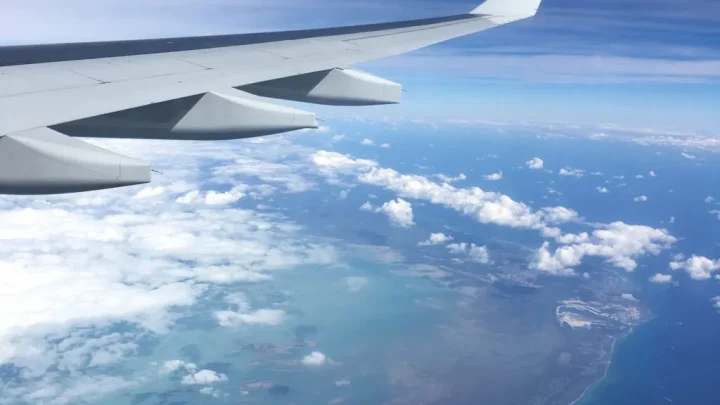
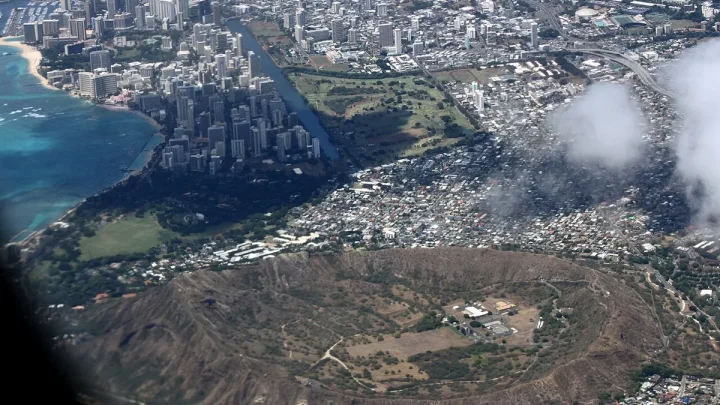
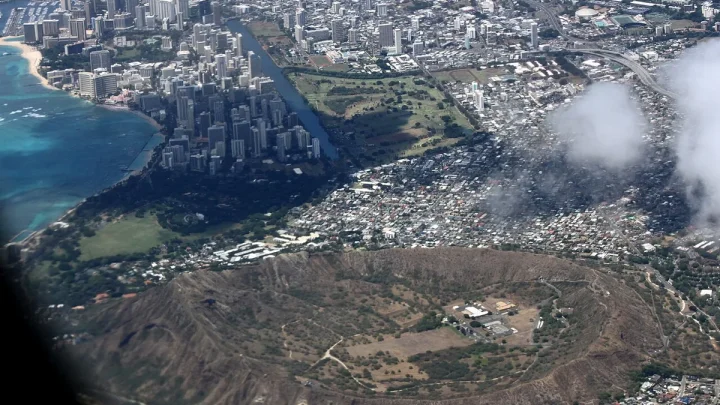
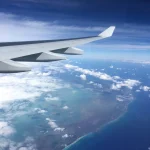
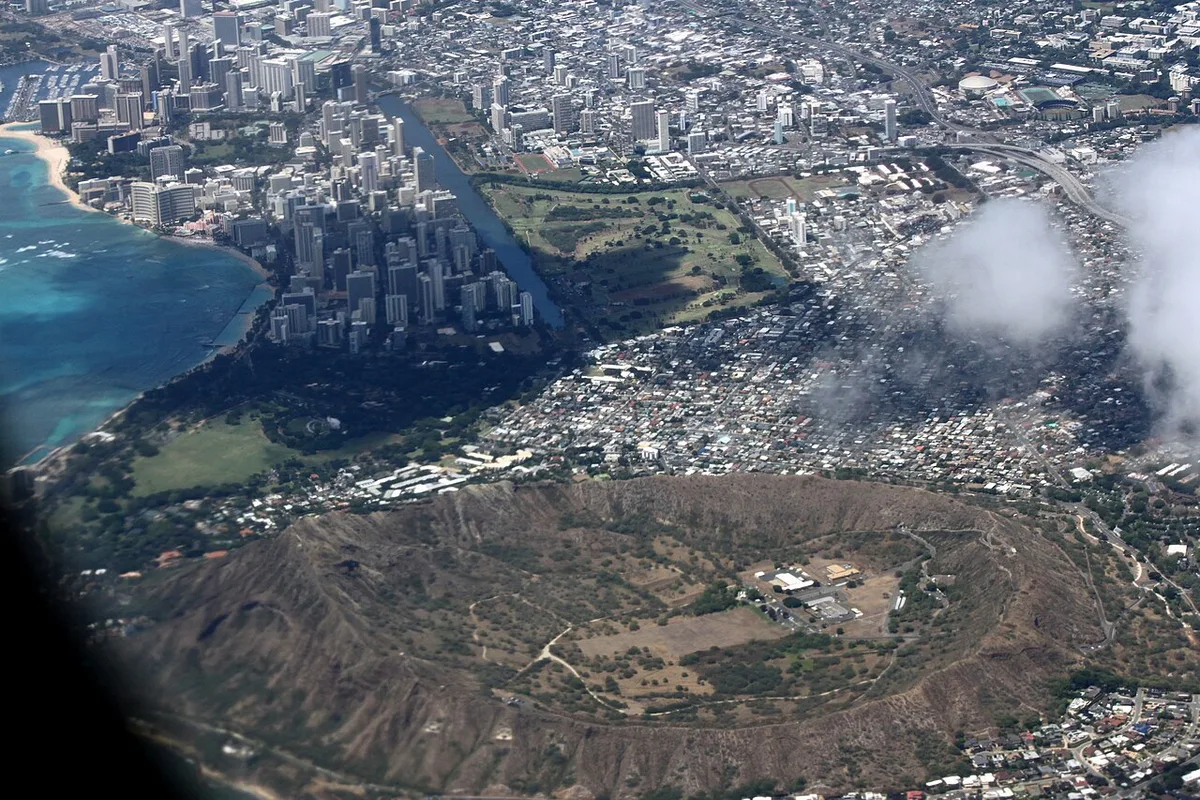
Image source: Wikimedia Commons / Prayitno / Thank you for (12 millions +) view from Los Angeles, USA (CC BY)
Quick Answer
🌺 Local Island Guide Quick Answer
The best time to go to oahu is mid-April through May or September through November. These shoulder months offer warm weather and lower prices. Ocean waters stay calm for swimming.
Crowds are noticeably smaller than in peak summer or winter.
The Oahu Timing Dilemma: Why the Best Time Depends on What You Want
There is no single perfect month for every traveler. The island changes personality throughout the year, creating distinct advantages depending on your itinerary.
If your primary goal is finding cheap flights and affordable resort rates, target the shoulder months. April, May, September, and October offer substantial savings on accommodations across Waikiki and Ko Olina. These windows sit right between the heavy winter vacation rush and the summer family travel peak.
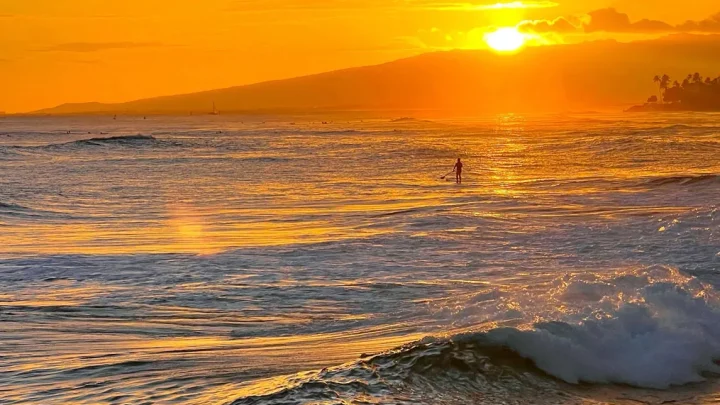
If you want flat, crystal-clear water for snorkeling and paddleboarding, summer is your best choice. The northern bays turn into calm swimming pools from June through August.
If you want to witness world-class big wave surfing or spot migrating humpback whales from shore, you must visit during winter. December through February brings massive ocean swells to the North Shore. However, those same winter swells make northern beaches unsafe for casual swimming.
Understanding Oahu’s Weather: Seasons, Microclimates, and Ocean Swells
Oahu has two primary seasons based on traditional Hawaiian climatology: Kau (the dry summer season from May to October) and Hooilo (the wetter winter season from November to April). As of 2026, average daytime temperatures stay remarkably stable, rarely dipping below 78°F in winter or exceeding 90°F in late summer.
The island also features distinct microclimates shaped by the Koʻolau and Waiʻanae mountain ranges.
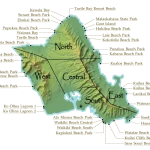
- The Windward Coast (East): Areas like Kailua and Kaneohe receive steady northeast trade winds and higher annual rainfall, keeping the landscape lush and green.
- The Leeward Coast (West and South): Areas including Waikiki, Honolulu, and Ko Olina sit in the rain shadow of the mountains, experiencing significantly drier and sunnier conditions year-round.
- The North Shore: Experiences dramatic seasonal changes, shifting from tranquil summer waters to towering winter waves.
Ocean conditions matter just as much as air temperature. Strong North Pacific winter storms generate huge northern swells between November and March. In contrast, gentle southern swells dominate the summer months, creating mild surf along southern shores while leaving the north flat and calm.
The Low-Crowd and Budget Window: April to May and September to November
The shoulder seasons represent the sweet spot for travelers wanting a balanced experience. Spring (mid-April to late May) and autumn (September through mid-November) see a noticeable drop in visitor numbers once school terms resume.
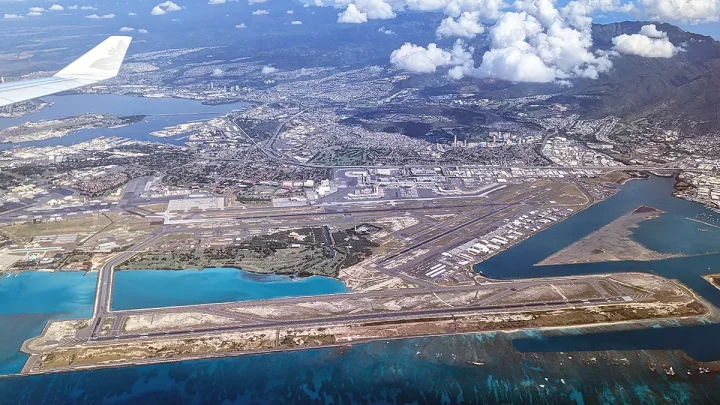
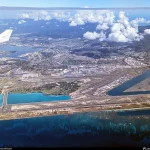
During these months, airlines frequently discount routes into Daniel K. Inouye International Airport (HNL). Hotels and vacation rentals also reduce their base rates compared to peak summer pricing.
You will experience shorter lines at popular attractions like the Pearl Harbor National Memorial and easier parking access at public beach parks.
Weather during the shoulder windows remains excellent. Trade winds blow consistently, keeping humidity low and temperatures pleasant. Ocean conditions are generally moderate across all shores, making it easy to plan boat tours, hikes, and snorkeling trips without fighting heavy crowds.
One exception to keep in mind is Golden Week, a major Japanese holiday period occurring in late April and early May. Waikiki often sees a brief surge in international visitors during this specific week, though the rest of the island remains relatively uncrowded.
The Prime Window for Calm Seas, Swimming, and Snorkeling: June to August
Summer is the top season for beach lovers and water sports enthusiasts. If your priority is spending all day in the ocean, plan your trip between June and August.
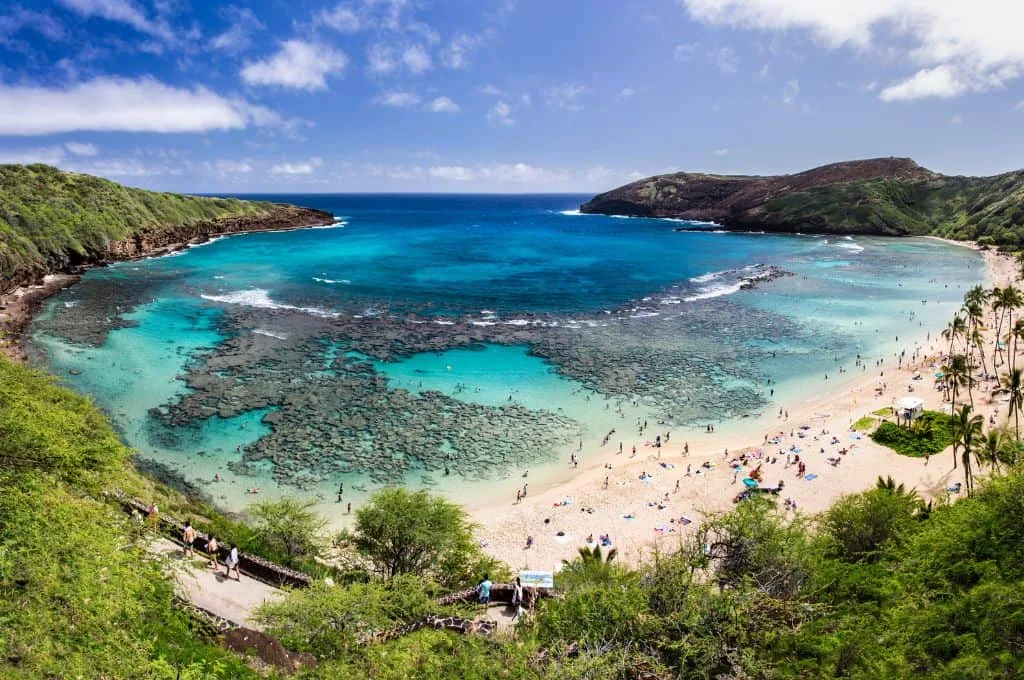
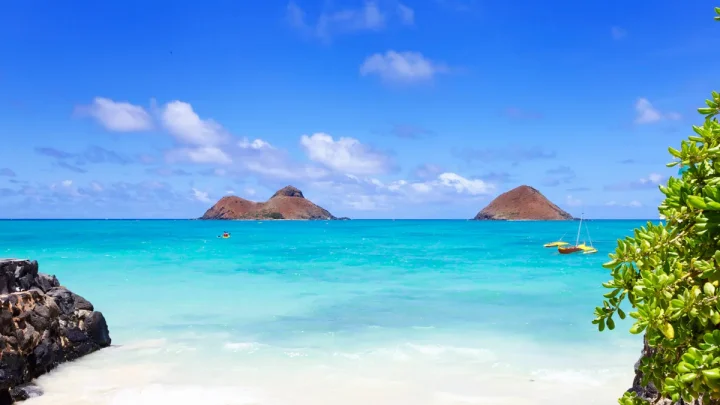
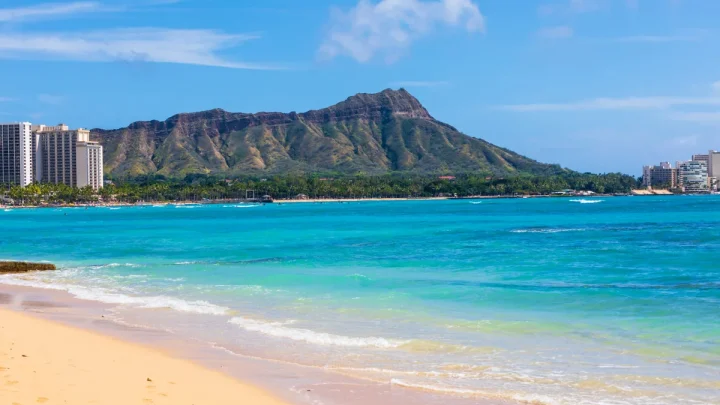
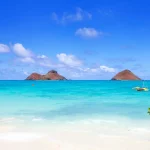
Image source: Web (Bing) / hawaiisbesttravel.com (Web image (fair-use with source credit))
Ocean temperatures peak around 81°F during late summer, making long swim sessions comfortable. More importantly, northern surf spots like Waimea Bay and Shark's Cove lose their rough winter waves. During summer, these spots transform into flat, clear marine sanctuaries ideal for snorkeling, scuba diving, and kayaking.
Summer also delivers the lowest rainfall numbers of the year across the entire island. Honolulu averages less than an inch of rain per month in June and July.
The main drawback of summer travel is higher demand. School breaks bring large numbers of family travelers, driving hotel occupancy and rental car prices up. Popular spots like Hanauma Bay Nature Preserve require advance planning, as daily reservation slots book out within minutes during peak summer weeks.
The Season for Big Wave Surfing and Whale Watching: December to March
Winter on Oahu offers an entirely different, high-energy atmosphere. From December through March, the island becomes the focal point of the global surfing community.
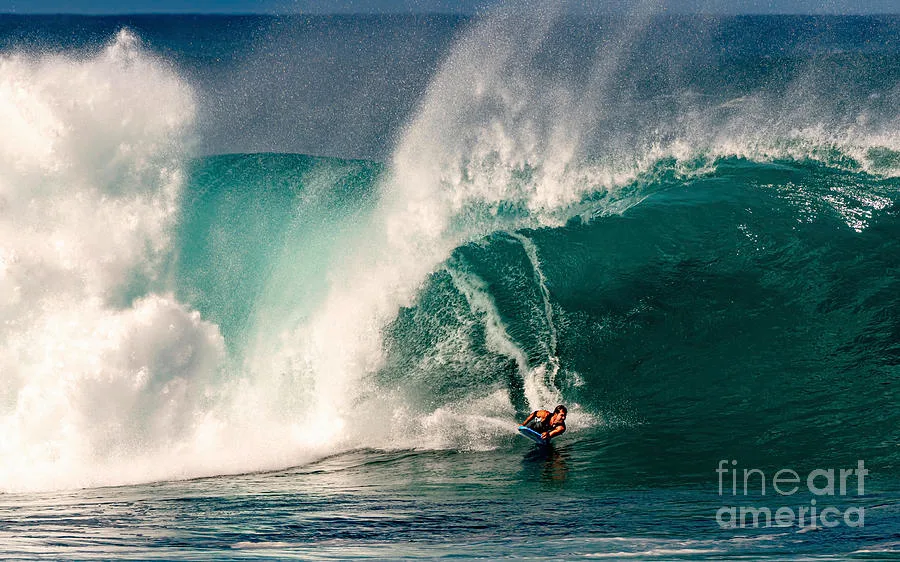
Image source: Web (Bing) / fineartamerica.com (Web image (fair-use with source credit))
Massive ocean swells generated by distant storms slam into the reefs along the North Shore. Famous breaks like the Banzai Pipeline and Sunset Beach regularly produce wave faces topping 20 to 30 feet. Watching professional surfers navigate these waves from the sand is an unforgettable spectator experience.
Winter is also prime whale watching season. Thousands of humpback whales migrate from Alaskan waters to the warm Hawaiian shallows to breed and nurse their calves. According to wildlife guidelines enforced by NOAA Fisheries, boats and ocean users must maintain a 100-yard buffer from all humpback whales.
You can frequently spot whales breaching directly from coastal lookouts like the Makapuʻu Point Lighthouse Trail.
The trade-off for winter travel is unpredictable weather and higher ocean hazards. Winter brings higher chances of rain, especially on the Windward coast. In addition, casual swimming along the North Shore is strictly unsafe during high surf advisories, shifting all casual beachgoers to southern shores.
Timing Pitfalls to Avoid: Jellyfish Runs, Holiday Surges, and Permit Windows
Timing your trip goes beyond broad weather patterns. Specific monthly cycles and local calendar events can disrupt your plans if you do not account for them.
Box jellyfish pose a recurring hazard on Oahu's southern and western shores, including Waikiki and Ala Moana Beach Park. They drift close to shore predictably between 8 and 10 days after each full moon. Lifeguards post warning signs along affected beaches during these influxes.
If you plan to swim in Waikiki, check the monthly lunar calendar before diving in.
Peak holiday surges create immediate price spikes and vehicle shortages. The two weeks spanning Christmas and New Year's Day bring the highest hotel rates of the entire year. Spring Break (mid-March) and summer holiday weekends also draw massive crowds.
Rental car inventory runs low during these windows, requiring reservations months in advance.
State park permit windows are another critical planning hurdle. Highly visited attractions like Hanauma Bay Nature Preserve and Diamond Head State Monument enforce strict entry reservations. Hanauma Bay releases ticket slots two days in advance at 7:00 AM HST, and they sell out in seconds.
Diamond Head permits open 30 days prior. Missing these booking windows can derail key activities on your itinerary.
Month-by-Month Oahu Decision Matrix: Choosing Your Exact Dates
Every month offers distinct trade-offs between crowd levels, ocean conditions, and total travel costs. Use this breakdown to pinpoint your ideal dates.
| Month Range | Weather Profile | Ocean Conditions | Crowd and Cost Levels | Best Suited For |
|---|---|---|---|---|
| Jan – Feb | Mild (78°F–80°F), frequent rain showers | Large north swells, calm south shores | High crowds, peak lodging costs | Big wave spectators, whale watchers |
| Mar – Apr | Warming (80°F–82°F), moderate rainfall | Swells declining, transitional seas | Moderate crowds, rising during Spring Break | Active hikers, spring vacationers |
| May – Jun | Warm (83°F–86°F), low rainfall | Calm northern waters, gentle south surf | Lower in May, rising sharply in mid-June | Budget travelers, snorkelers, calm swimming |
| Jul – Aug | Hot (86°F–88°F), dry conditions | Flat northern bays, warm water (81°F) | Peak summer crowds, premium resort rates | Families, paddleboarders, all-day beachgoers |
| Sep – Oct | Very warm (85°F–87°F), low to moderate rain | Ideal swimming, early winter swell hints | Low crowds, discounted flights and hotels | Value seekers, honeymooners, uncrowded hiking |
| Nov – Dec | Cooling (80°F–82°F), rain chances increase | North swells return, rough northern waters | Surges to peak highs around the holidays | Surf competition fans, holiday travelers |
If you want the cheapest rates with the best swimming conditions, target September or October. If you want pristine summer conditions without high-season crowds, target May.
Frequently Asked Questions About Oahu Travel Timing
What is the cheapest month to fly to Oahu?
September and October are consistently the cheapest months to fly to Oahu. Major airlines discount routes following the summer vacation rush. Secondary flight deals also appear in late January and February, excluding major holiday weekends.
Which month has the worst weather on Oahu?
December and January bring the highest average rainfall and the cloudiest days across Oahu. Winter storms can cause multi-day rain events, particularly on the Windward coast. However, Leeward resorts in Waikiki and Ko Olina still see frequent sunny periods between passing showers.
When can you swim on the North Shore of Oahu?
You can safely swim on the North Shore from June through August. Northern bays like Waimea Bay and Shark's Cove become flat and tranquil during summer. From November through March, heavy winter swells create powerful shorebreaks and rip currents that make swimming hazardous.
How far in advance should I book an Oahu vacation?
Book flights and accommodations four to six months ahead for travel during peak summer or winter holidays. For shoulder seasons like May or October, booking two to three months in advance provides plenty of availability and strong pricing on lodging and rental cars.
🎒 Field-Tested Gear: Hawaii Vacation Planning & Daypack Essentials
Sudden tropical mountain showers and high-humidity hikes require versatile, lightweight packing essentials tested for Hawaii’s climate:
- Ultra-Light Packable Travel Daypack & Rain Shell:Check Lightweight Packable Daypacks on Amazon →
- Insulated Stainless Steel Travel Water Bottle:Check Insulated Island Travel Bottles on Amazon →
*FTC Disclosure: As an Amazon Associate, Hawaii Travel Bureau earns from qualifying purchases. Learn more about our field-tested travel research methodology.*
🌺 Related Oahu Vacation Planning & Seasonal Guides:

Similar Posts