Is Oahu Worth Visiting? What to Know Before You Go

Deciding if Oahu is a good island to visit depends on what you want from a Hawaiian vacation. Some travelers expect untouched wilderness, while others want vibrant nightlife and historic landmarks. Oahu delivers a fast-paced blend of city energy, cultural heritage, and world-class beaches.
Data from the Hawaii Tourism Authority shows Oahu welcomes over five million visitors each year. That makes it the most visited island in the state by a wide margin. Here is how to evaluate the island and decide if Oahu matches your vacation plans.
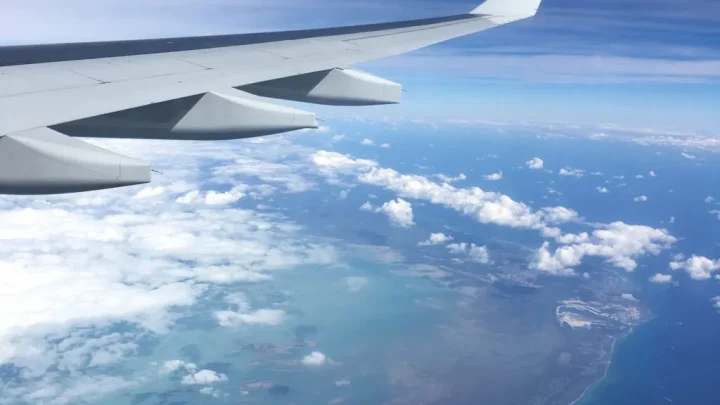
Image source: Wikimedia Commons / Prayitno / Thank you for (12 millions +) view from Los Angeles, USA (CC BY)
Quick Answer
🌺 Local Island Guide Quick Answer
Is Oahu a good island to visit? Yes, Oahu is a fantastic island for most travelers. It offers great food, rich history, and world-famous beaches.
Public transit is easy to use in Honolulu. You get both city energy and quiet surf towns. It can feel crowded during peak seasons.
The Reality Check: What Oahu Does Best vs. Where It Falls Short
Oahu is known as "The Gathering Place." It balances urban convenience with dramatic natural scenery better than any neighbor island. You can tour historic palaces in the morning and hike a volcanic crater by afternoon.
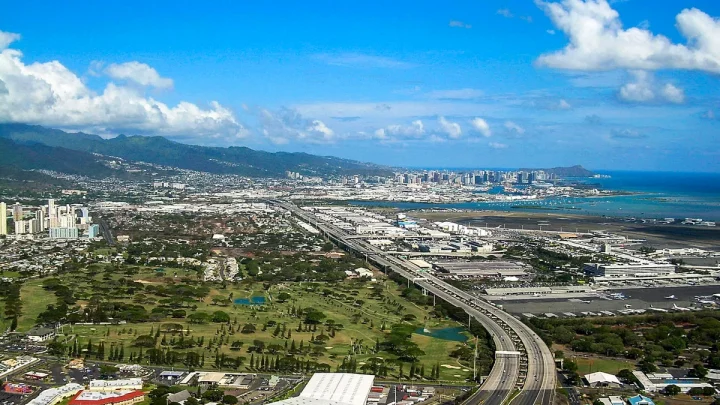
The island also has real trade-offs. Traffic along the Interstate H-1 corridor can rival major mainland cities. Popular spots like Waikiki Beach and Hanauma Bay draw dense crowds daily.
Here is a direct look at the core strengths and limitations:
| Category | Oahu Strengths | Oahu Drawbacks |
|---|---|---|
| Dining & Culture | Massive culinary variety, food trucks, royal palaces | High tourist pricing in resort areas |
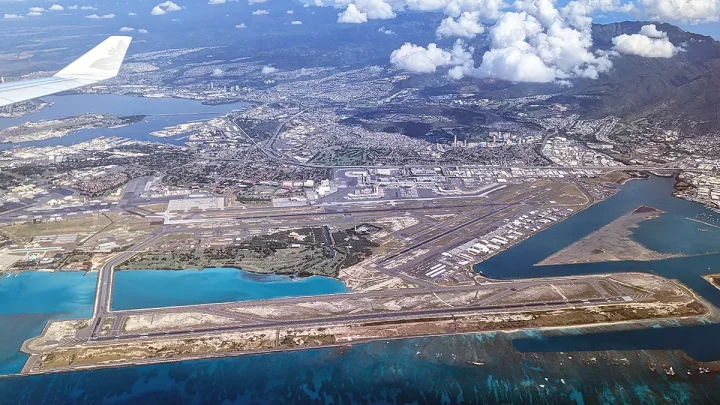
| Transit & Access | Most direct flights, robust bus system | Heavy traffic jams during rush hours |
| Beaches & Scenery | Iconic surf breaks, calm family lagoons | Busy shorelines, competitive parking |
| Lodging Options | Budget hostels to luxury resorts | High hotel parking fees ($45 to $75 per night) |
The Decision Framework: Which Island Fits Your Travel Style?

Image source: Web (Bing) / homeyhawaii.com (Web image (fair-use with source credit))
Your vacation priorities determine whether Oahu is the right pick. Use this conditional framework to narrow down your choice.
Choose Oahu If You Value Diversity, History, and Walkability
If you want a mix of sightseeing, dining, and beach time, pick Oahu. It is ideal if you:
- Want to visit major historic sites like the Pearl Harbor National Memorial.
- Prefer walking to restaurants, bars, and shopping centers from your hotel.
- Plan to travel without renting a car for your entire stay.
- Want diverse food options ranging from casual plate lunches to high-end regional dining.
Choose a Neighbor Island If You Want Quiet Solitude or Raw Landscapes
If your goal is escaping crowds, look at the neighbor islands instead:
- Pick Kauai if you want dramatic cliffs, lush hiking trails, and quiet rural towns.
- Pick Maui if you want upscale resort relaxation and scenic coastal drives.
- Pick Hawaii Island (Big Island) if you want active volcanoes and expansive, varied terrain.
Oahu by Region: Deciding Where to Base Yourself
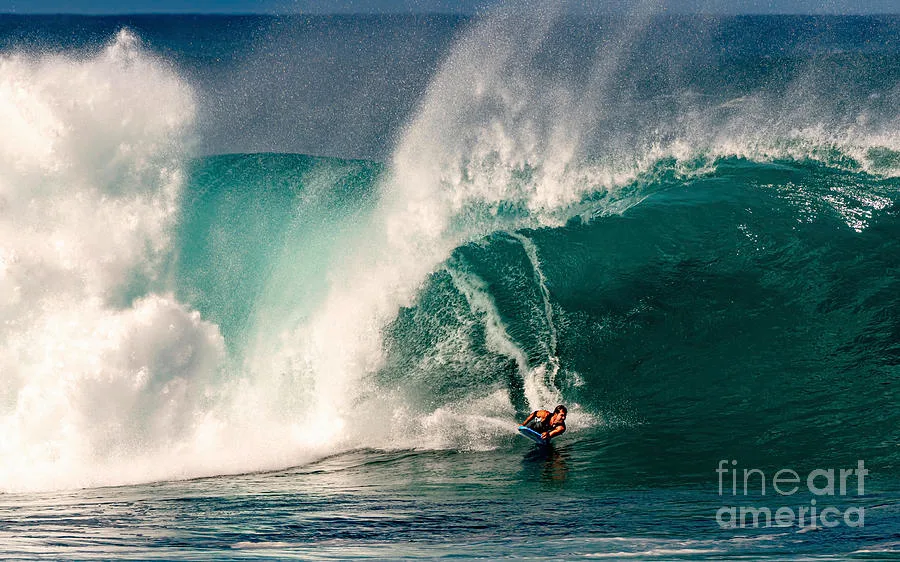
Image source: Bing (Web (fair-use with source credit))
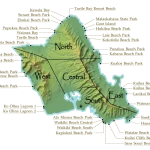
Oahu features distinct microclimates and regions. Choosing the right base makes a huge difference in your daily experience.
Waikiki and Honolulu: Energy, Food, and Car-Free Travel
Waikiki is the primary tourist hub. It features high-rise hotels, dense shopping along Kalakaua Avenue, and calm swimming waters. As of 2026, it remains the best base for travelers who want walkability and lively nightlife.
The North Shore: Surf Culture and Country Vibes
The North Shore offers a laid-back rural atmosphere. In winter, monster swells draw pro surfers to Banzai Pipeline and Sunset Beach. In summer, the water flattens out for snorkeling and swimming.
Kailua and the Windward Coast: Postcard Beaches and Lush Scenery
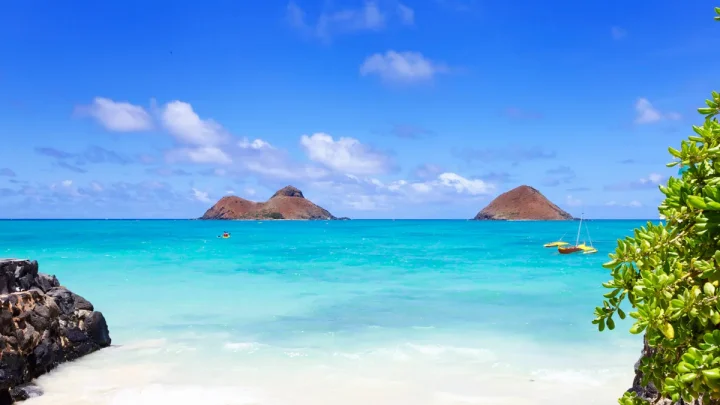
The eastern Windward Coast is lush, green, and breezy. Kailua Beach and Lanikai Beach feature powdery white sand and turquoise water. Vacation rentals are strictly regulated here, so most people visit on day trips.
Ko Olina: Resort Lagoons and Family Relaxation
Located on the sunny Leeward Coast, Ko Olina features four man-made ocean lagoons. It is quiet, manicured, and ideal for families staying at standalone resort properties.
The Logistics Playbook: Transportation, Reservations, and Costs
Planning logistics early saves money and prevents missed activities.
Rental Cars vs. Public Transit: How to Avoid Wasted Money
You do not need a rental car for your entire stay. In Honolulu, TheBus provides reliable transit across the island for $3.00 per ride. A HOLO card caps daily fares at $7.50.
Resort parking fees often run between $45 and $70 per night. If you stay in Waikiki, consider renting a car for just one or two days to explore the North Shore and Windward Coast.
The Mandatory Booking Checklist: Permits and Reservations
Several major attractions require advance reservations to manage visitor impact. Check the official portal of the Hawaii Department of Land and Natural Resources before you go.
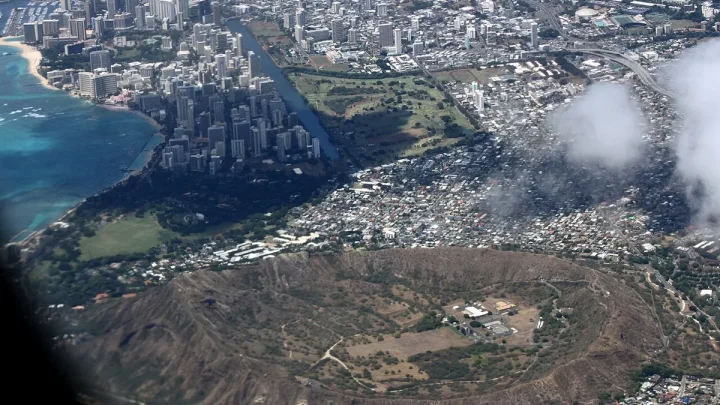
- Diamond Head State Monument: Non-residents must reserve entry and parking slots up to 30 days ahead.
- Hanauma Bay Nature Preserve: Entry permits open online two days in advance at 7:00 AM HST.
- Pearl Harbor National Memorial: Book USS Arizona Memorial boat tickets in advance through the official National Park Service reservation system.
Common Mistakes That Ruin an Oahu Trip (and How to Avoid Them)
A poor itinerary plan can turn a great vacation into hours stuck in traffic. In our research, travelers who make simple planning errors spend more time on highways than on the beach.
Here are the most common pitfalls and how to bypass them:
- Treating Oahu like one small neighborhood: Driving from Waikiki to the North Shore can take over an hour each way. Group your activities by region so you only tackle one quadrant per day.
- Never leaving Waikiki: Waikiki is convenient, but it represents only a small slice of Oahu. Plan day trips to the Windward side and Central Oahu to experience local culture and open spaces.
- Ignoring rush hour patterns: Traffic on the H-1 highway crawls westbound during afternoon commuter hours. Plan your return trips to town in the early afternoon or late evening to avoid gridlock.
- Leaving bags in rental cars: Break-ins happen frequently at scenic lookouts and hiking trailheads. Keep valuables out of sight in the trunk before you arrive at your destination.
Practical Rules: Ocean Safety, Local Etiquette, and Sunscreen Laws
Staying safe and showing respect helps protect both travelers and local ecosystems. Hawaii enforces specific laws to safeguard its marine life and shorelines.
Under Hawaii Act 104, sunscreens containing oxybenzone and octinoxate are illegal to sell or distribute in the state. These chemicals harm coral reefs and marine habitats. Always use mineral-based sunscreens made with non-nano zinc oxide or titanium dioxide.
Ocean conditions vary dramatically by season and coast. Winter swells on the North Shore generate dangerous shorebreaks and powerful rip currents. Always swim at lifeguarded beaches and check conditions before entering the water.
If in doubt, stay out.
Wildlife protection laws are strictly enforced across the island. State and federal guidelines require visitors to stay at least 10 feet away from Hawaiian green sea turtles (honu). You must maintain a 50-foot distance from endangered Hawaiian monk seals.
Never touch, feed, or corner native wildlife.
Show respect for local communities by staying on marked trails and honoring private property boundaries. Mind noise levels in residential areas near popular beaches like Lanikai. Practicing basic mindfulness ensures these areas remain open and welcoming for everyone.
Frequently Asked Questions About Visiting Oahu
How many days do you need on Oahu?
Plan for five to seven days to experience Oahu without rushing. This timeline gives you two days for Honolulu and Waikiki, one full day on the North Shore, a day exploring the Windward Coast, and time for historic sites and relaxation.
Is Oahu cheaper than Maui or Kauai?
Yes, Oahu is generally the most budget-friendly Hawaiian island. It offers the widest selection of flights, grocery stores, casual eateries, and mid-range hotels. You can also save substantially by using public transit rather than renting a car for your entire stay.
Can you visit Oahu without renting a car?
Yes, you can easily manage without a rental car if you stay in Waikiki. The public bus system, TheBus, connects to major attractions across the island. Rideshare services and guided day tours fill in any remaining transit gaps cleanly.
What is the best month to visit Oahu?
April, May, September, and October offer the best combination of pleasant weather and lighter crowds. Summer and winter bring higher visitor volumes and elevated hotel rates. Winter also brings large ocean swells to the northern coastline.
Is Oahu a good choice for first-time visitors to Hawaii?
Yes, Oahu is the best island for first-time visitors. It offers a balanced introduction to Hawaiian history, modern culture, diverse dining, and beautiful beaches. The island provides excellent tourist infrastructure while still offering rural scenery outside the city.
🥾 Field-Tested Gear: Hawaii Trail & Sightseeing Protection
From rugged Kualoa filming valleys to sharp volcanic ridgelines, tackle Oahu’s premier attractions safely with trail-proven footwear and sun protection:
- High-Traction Breathable Water Hiking Shoes:Check Quick-Dry Water Hiking Shoes on Amazon →
- UPF 50+ UV Sun Protection Long-Sleeve Rash Guard:Check UPF 50+ Sun Protection Shirts on Amazon →
*FTC Disclosure: As an Amazon Associate, Hawaii Travel Bureau earns from qualifying purchases. Learn more about our field-tested travel research methodology.*
🌺 Related Hawaii Sights, Culture & Filming Guides:

Similar Posts