What to Do in Oahu When It Rains: Best Rainy Day Ideas
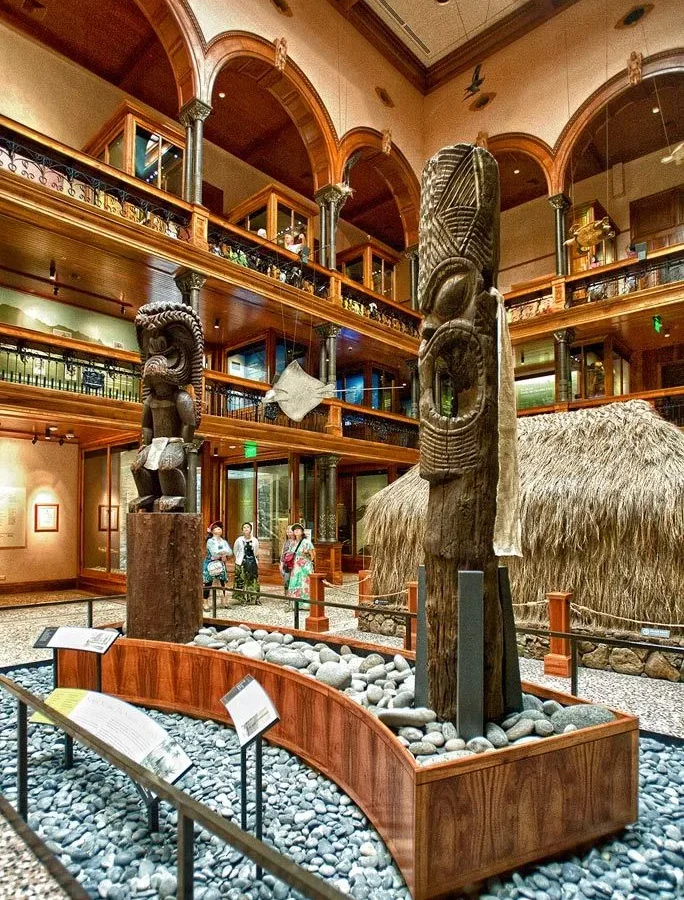
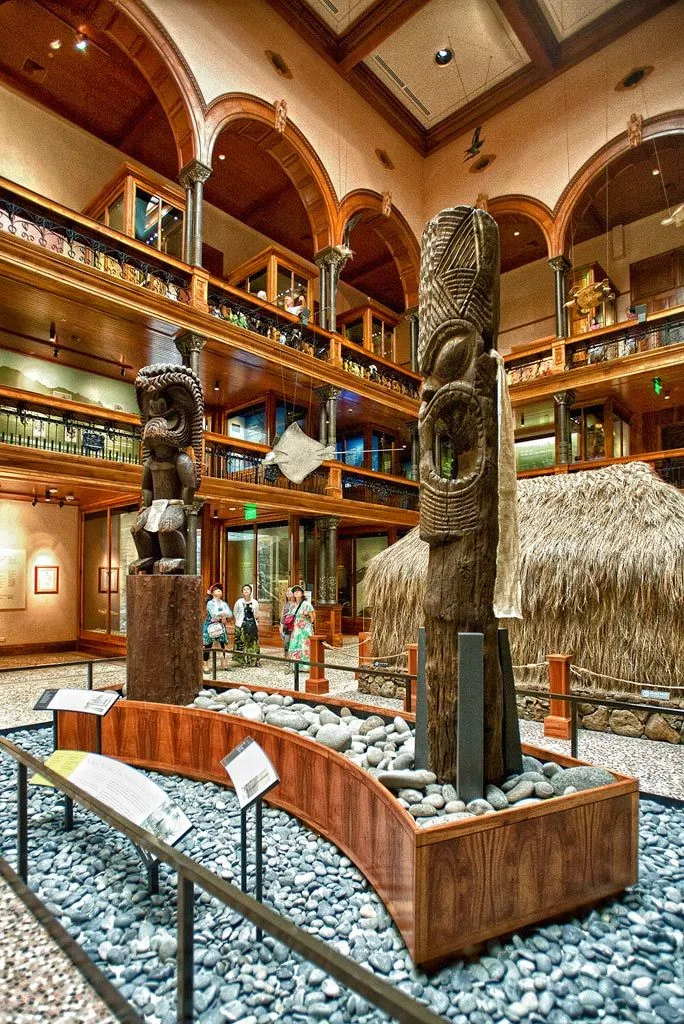
Image source: Bing (Web (fair-use with source credit))
Finding yourself under a sudden tropical downpour does not mean your Hawaiian vacation is ruined. Knowing what to do in oahu when it rains lets you quickly turn a wet morning into one of your best travel days. You can easily pivot to dry beaches, sheltered historic landmarks, and covered markets across the island.
Oahu features distinct microclimates created by the Koʻolau and Waiʻanae mountain ranges. While mountain peaks can receive over 150 inches of rainfall annually, coastal resort zones average under 20 inches per year. Understanding how these storm patterns move helps you find the right activity immediately.
Quick Answer
🌺 Local Island Guide Quick Answer
Knowing what to do in oahu when it rains starts with checking local weather radar. Trade-wind showers are brief and localized. Drive west to the Leeward Coast for dry, sunny skies.
Visit the Bishop Museum or Iolani Palace for indoor culture. Browse covered markets in Kakaʻako and Chinatown. Never hike steep mountain trails during heavy downpours.
Understanding Oahu’s Microclimates: The 30-Minute Rain Rule
Oahu rarely experiences island-wide rain at the same time. The island is divided by two major mountain ranges that catch moisture moving across the Pacific Ocean. Because of this geography, you can often drive 30 minutes away from a downpour and step out into bright sunshine.
                       TRADE WINDS (Moisture-laden)
                                  ======>
                                  ======>

    LEEWARD COAST          KOʻOLAU MOUNTAINS        WINDWARD COAST
   (Waianae/Ko Olina)          (Ridges)            (Kailua/Kaneohe)
         |                        |                       |
   [ Dry & Sunny ] <===== [ Rain Shadow ] <===== [ Passing Showers ]
    (Under 20" rain)      (Heavy Rainfall)       (Lush & Tropical)
Trade-Wind Showers vs. Kona Storms
Trade winds bring typical, passing showers to the north and east sides of the island. These clouds dump quick bursts of rain against the mountains before clearing up within 15 to 20 minutes.
Kona storms are entirely different. They occur when wind directions flip and pull heavy, slow-moving moisture from the south. Kona systems can bring widespread rain that lasts for two or three consecutive days.
Checking the daily report from the National Weather Service Honolulu will tell you which weather pattern is active.
The Mountain Effect: Mauka vs. Makai
Locals use the words mauka (toward the mountains) and makai (toward the ocean) to describe location and weather. Mauka areas like Manoa Valley and Nuʻuanu trap low-hanging clouds and see frequent rain. Makai areas along the coast stay significantly drier.
If your hotel in Waikiki is drizzly, look toward the ocean horizon; clear skies out over the water usually mean coastal parks are completely dry.
| Weather Pattern | Typical Duration | Best Strategy | Primary Locations Affected |
|---|---|---|---|
| Trade-Wind Showers | 10 to 30 minutes | Wait it out or drive 10 minutes makai (seaward) | Kailua, Kaneohe, North Shore, Manoa |
| Kona Low System | 2 to 4 days | Plan full indoor museum days and covered markets | Entire island, South Shore, Central Oahu |
| Mauka Cloud Cover | Intermittent all day | Head west to the dry coastal rain shadow | Koʻolau mountain range, Nuʻuanu Pali |
Branch 1: Chase the Rain Shadow to the Leeward Coast
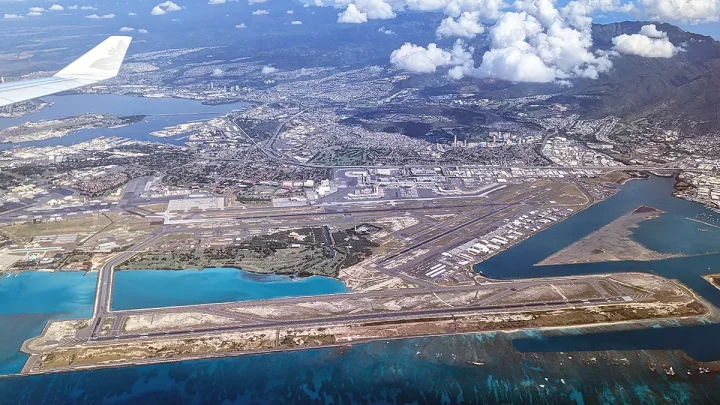
If you have a rental car during trade-wind showers, drive west toward the Leeward Coast. The towering Waiʻanae Range creates a natural rain shadow that blocks moisture from crossing over to the western shore. While Honolulu and Kailua are soaking wet, western towns like Kapolei, Ko Olina, and Waianae often stay dry and warm.
Dry-Sky Escapes in Ko Olina and Kapolei
Ko Olina sits in one of the driest corridors on Oahu. The area features four man-made ocean lagoons protected by rock seawalls, offering calm water even when weather systems churn up other coastlines.
- Walk the 1.5-mile paved coastal promenade connecting all four lagoons.
- Rent a covered cabana at the public beach parks adjacent to the resorts.
- Explore outdoor shopping at Kapolei Commons, which gets far less rain than Honolulu retail centers.
Coastal Drives Toward Kaena Point
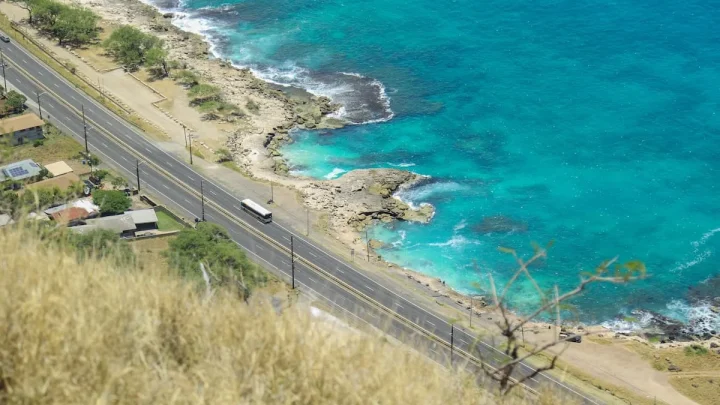
Driving northwest along Farrington Highway takes you past striking coastal cliffs toward Kaʻena Point State Park. This stretch of highway hugs the coastline far away from rain-trapping peaks. You can stop at local beach parks like Makaha Beach or Tracks Beach to watch the surf while staying under clear skies.
Branch 2: Explore World-Class Hawaiian History and Culture Indoors
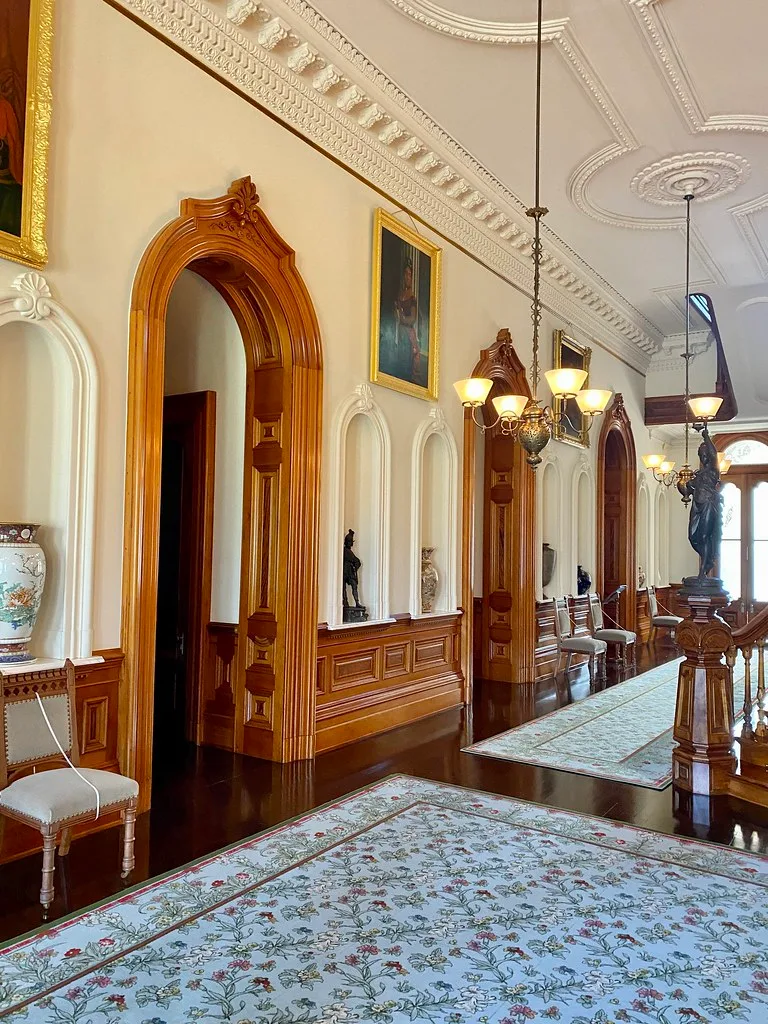
Image source: Web (Bing) / flickr.com (Web image (fair-use with source credit))
When heavy rain settles across the entire island, heading inside Honolulu's cultural institutions is your best move. These venues protect irreplaceable Polynesian artifacts and give you a deep understanding of Native Hawaiian history.
The Bishop Museum: A Deep Dive into Polynesian Heritage
The Bernice Pauahi Bishop Museum in Kalihi is the premier natural and cultural history institution in the Pacific. Hawaiian Hall features three tiers of historic displays, including royal feather cloaks, traditional voyaging artifacts, and detailed carvings. The adjacent Science Adventure Center lets kids explore an indoor interactive volcano and learn about island geology away from the weather.
Royal History at Iolani Palace and Queen Emma Summer Palace
Iolani Palace in downtown Honolulu is the only official royal residence on United States soil. Built in 1882 by King Kalākaua, the palace features restored royal living quarters, original furnishings, and early electrical innovations. Self-guided audio tours take roughly 60 to 90 minutes inside a fully climate-controlled space.
A short drive up the valley leads to Queen Emma Summer Palace, which houses historical royal relics in an intimate historic setting.
Art, Architecture, and High Tea at HoMA and Shangri La
The Honolulu Museum of Art (HoMA) spans multiple covered courtyards, traditional Asian art galleries, and modern Pacific collections. You can walk through open-air sheltered breezeways while listening to the rain outside. HoMA also serves as the departure point for guided tours to Shangri La, the opulent former estate of Doris Duke featuring extensive Islamic art collections overlooking the ocean.
Branch 3: Spend the Day Exploring Honolulu’s Covered Food and Arts Hubs
Rainy weather offers the perfect excuse to explore Honolulu's dynamic food and craft beverage scene. Industrial neighborhoods and historic trading districts feature covered spaces where you can spend hours dining and shopping.
Kakaʻako’s Urban Warehouse Breweries and Street Art
Kakaʻako is an industrial warehouse district transformed into a vibrant cultural hub. Giant exterior murals cover the buildings, while open-air warehouse roll-up doors provide breezy shelter from rain.
- Stop by local breweries like Honolulu Beerworks and Aloha Beer Co. for fresh seasonal taps.
- Browse the covered lifestyle boutiques and casual eateries inside SALT at Our Kakaʻako.
- Sample local food pop-ups without getting wet under large warehouse overhangs.
Chinatown Markets and Covered Food Halls
Historic Chinatown sits just west of downtown Honolulu and contains covered markets packed with fresh produce, fresh seafood, and flower lei stands. Walk through the Oahu Market on King Street to see traditional merchants at work. Afterwards, grab lunch inside covered food halls or visit award-winning modern restaurants along Nuʻuanu Avenue and Smith Street.
Sheltered Retail and Dining at Ala Moana and Kahala
Ala Moana Center is the largest open-air shopping center in the world, featuring multilevel canopies that protect walkways from passing showers. You can browse international department stores, visit the expansive Shirokiya-style food courts, or eat at covered rooftop restaurants. For a fully indoor suburban shopping experience, head east to Kahala Mall, which offers air-conditioned comfort, local boutiques, and a large cinema complex.
Branch 4: Embrace the Rain with Safe Scenic Drives and Botanical Gardens
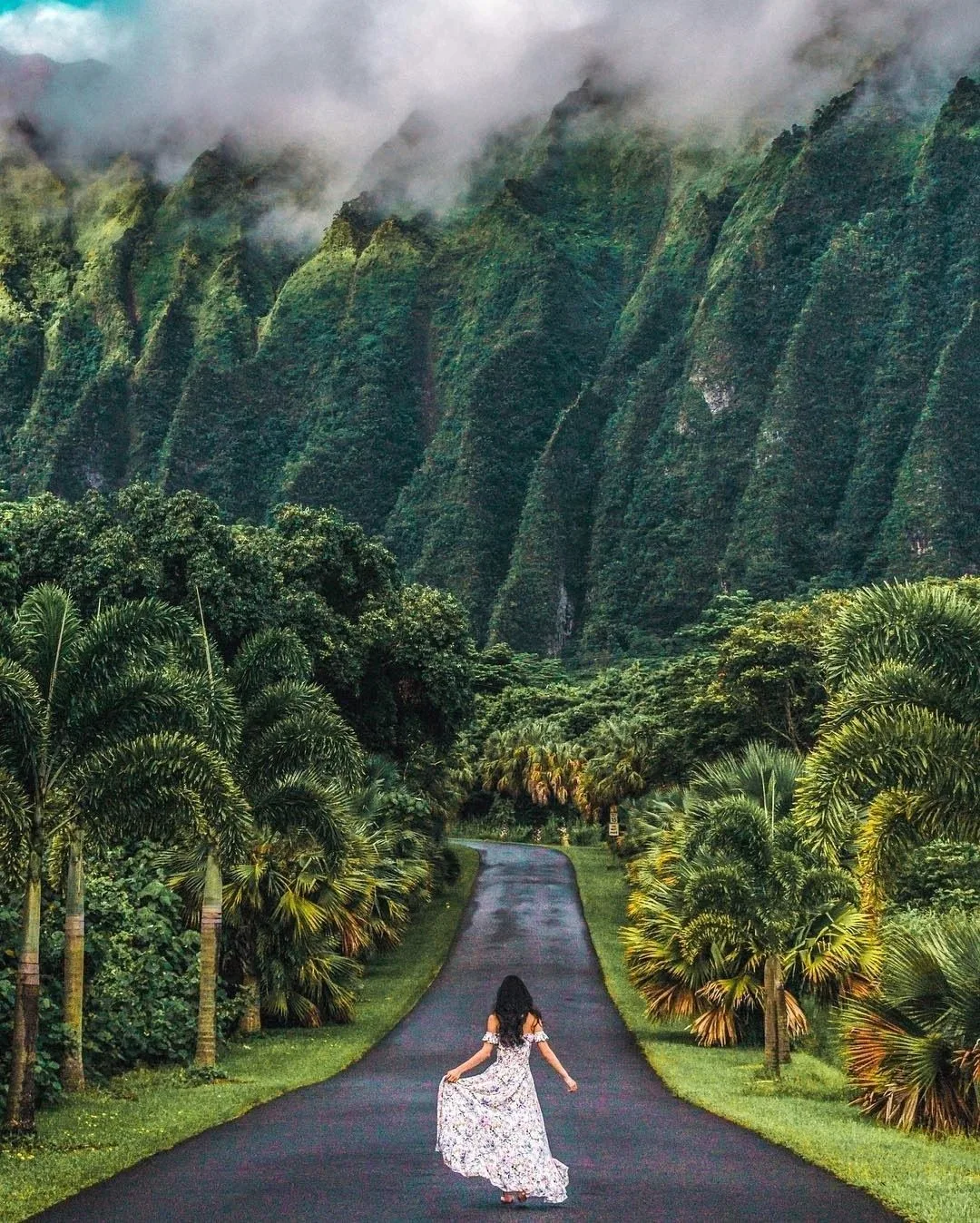
Image source: Web (Bing) / udwtas.blogspot.com (Web image (fair-use with source credit))
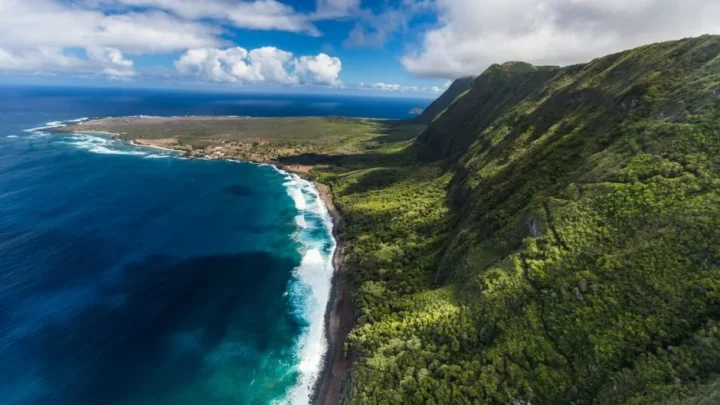
Some locations across Oahu become more dramatic and visually striking during wet weather. Tropical rain feeds hundreds of temporary waterfalls along mountain cliffs, turning valleys into vivid emerald landscapes.
Driving the Lush H-3 and Pali Highway
Interstate H-3 is one of the most scenic highway drives in the country. As the roadway cuts through the Koʻolau mountains via the Tetsuo Harano Tunnels, rainwater cascades down sheer green cliffs on both sides of the car. The drive along Pali Highway (Route 61) offers another stunning route through dense rainforest canopies, though you should always stay alert for falling branches during high winds.
Exploring Hoʻomaluhia Botanical Garden by Car
Hoʻomaluhia Botanical Garden in Kaneohe spans 400 acres of lush tropical plants arranged by geographic region. The park features a paved main road that lets you drive directly through the grounds under misty mountain peaks. You can park at covered visitor pavilions along the main lake to watch the mist drift across the ridges without standing in the rain.
Paved Rainforest Walks: Lyon Arboretum vs. Muddy Ridge Trails
Lyon Arboretum, managed by the University of Hawaii at Manoa, sits at the back of Manoa Valley and features paved, gravel-maintained paths through a working rainforest research facility. Unlike raw dirt trails that quickly wash out, Lyon's designated paths allow you to experience tropical plants safely. Always check for trail maintenance updates through the Hawaii Department of Land and Natural Resources before visiting public reserves during prolonged wet spells.
Critical Safety Warnings: The Real Dangers of Flash Floods and Brown Water
Tropical storms create hidden dangers across Oahu. Heavy rainfall turns calm streams into dangerous torrents within minutes. Knowing when to avoid outdoor locations keeps you safe from serious environmental hazards.
Why You Must Avoid Mountain Ridge Hikes in the Rain
Never attempt unpaved valley or ridge hikes during heavy downpours. Trails like Olomana, Kaʻau Crater, and the Pali Notches become slick mud tracks with high slip hazards. Rain quickly destabilizes volcanic soil, creating sudden mudslides and rockfalls.
Narrow gulches and streams also flash flood without warning. Water draining from mountain peaks can surge down riverbeds miles away under clear skies. Always stay on paved, managed pathways during rainy periods.
       HEAVY RAINFALL IN UPPER MOUNTAINS
                     |
                     v
   [ Sudden Flash Flooding in Stream Gulches ]
                     |
                     v
   [ High-Velocity Runoff into Coastal Bays ]
                     |
                     v
  +--------------------------------------------+
  |        BROWN WATER ADVISORY RISKS          |
  |  - Bacterial runoff (leptospirosis)        |
  |  - Sharp debris and floating logs          |
  |  - Zero visibility (shark feeding hazard)  |
  +--------------------------------------------+
Hawaii Department of Health Brown Water Advisories and Ocean Hazards
Storm runoff washes soil, pesticides, and road pollutants directly into the ocean. The Hawaii Department of Health issues Brown Water Advisories whenever stormwater fouls coastal waters. As of 2026, state health officials recommend staying out of ocean water that looks murky or tea-colored.
Brown runoff carries waterborne bacteria like Leptospira, which enters the body through open cuts, eyes, or the nose. Murky runoff also severely reduces water visibility. This turbidity creates hazardous conditions for swimmers, as coastal predators like tiger sharks move closer to river mouths to feed.
The Oahu Rainy Day Decision Matrix: What to Pick Based on Your Setup
Your optimal rainy-day plan depends directly on your transportation options and group dynamic. Using a simple decision process helps you pick the right destination without wasting vacation hours.
                  DO YOU HAVE A RENTAL CAR?
                         /        \
                       YES         NO
                      /              \
         [ Check Radar Pattern ]    [ Stay in Honolulu Urban Core ]
              /            \                     |
   TRADE-WIND SHOWERS   KONA LOW STORM    Take TheBus / Rideshare to:
          |                    |          - Bishop Museum
  Drive West to:        Head Indoors to:  - Ala Moana Center
  - Ko Olina Lagoons    - Iolani Palace   - Iolani Palace
  - Kaena Point Coast   - HoMA Galleries  - Kakaʻako Food District
If You Have a Rental Car vs. Relying on TheBus
If you have a rental vehicle, use your mobility to chase clear skies. Drive directly to the Leeward Coast to find sunny beaches at Ko Olina or Makaha. You can also take scenic routes along Interstate H-3 to view mountain waterfalls from the comfort of your car.
If you rely on public transit or rideshares, stick to the urban Honolulu core. TheBus routes 2, 13, and 20 provide direct, inexpensive transit between Waikiki hotels, downtown historic sites, and major shopping hubs. You can move between covered cultural attractions without dealing with wet parking lots.
| Traveler Type | Best Rainy Day Strategy | Top Recommended Location |
|---|---|---|
| Families with Kids | High-energy interactive indoor spaces | Bishop Museum Science Center |
| Couples & Solos | Historic audio tours and art galleries | Iolani Palace and HoMA |
| Active Travelers | Paved rainforest drives and walks | Hoʻomaluhia Botanical Garden |
| Food & Drink Fans | Covered craft brewery and food crawls | SALT at Our Kakaʻako |
Choosing Activities by Group: Families, Couples, and Solo Travelers
Families with young children should head straight to the Bishop Museum Science Adventure Center. The interactive volcanic displays and marine life exhibits give kids space to move around indoors.
Couples and solo travelers will appreciate the quiet courtyards of the Honolulu Museum of Art or a guided historical tour through Iolani Palace. These spaces provide relaxed, contemplative environments away from the storm.
Frequently Asked Questions About Rain in Oahu
Does it rain all day on Oahu?
Continuous all-day rain is uncommon on Oahu unless a Kona storm system settles over the islands. Most showers are trade-wind clouds that pass in 15 to 20 minutes. If rain lingers, driving 30 minutes west usually brings you back into bright sunshine.
What is the rainiest month on Oahu?
December and January are historically the wettest months on Oahu. Winter brings more frequent cold fronts and southern low-pressure systems across the Pacific. Summer months like June and July are the driest, seeing only brief mountain showers.
Is it safe to swim in the ocean when it rains in Hawaii?
Swimming during light rain is generally safe if ocean conditions are calm. However, you must avoid swimming near river mouths or brown water runoff after heavy downpours. Murky water carries harmful bacteria and attracts feeding marine life.
What should you wear on a rainy day in Oahu?
Wear quick-drying synthetic clothing and sturdy waterproof sandals with good grip. Heavy raincoats trap tropical humidity and make you sweat quickly. A compact travel umbrella and a light water-resistant windbreaker are all you need for passing showers.
Are Oahu luaus canceled if it rains?
Most major luaus operate rain or shine by moving dining tables under large covered pavilions. Venues often modify live performances to keep dancers safe on wet stages. Operators only cancel events during severe weather warnings or high-wind advisories.
🎒 Field-Tested Gear: Hawaii Vacation Planning & Daypack Essentials
Sudden tropical mountain showers and high-humidity hikes require versatile, lightweight packing essentials tested for Hawaii’s climate:
- Ultra-Light Packable Travel Daypack & Rain Shell:Check Lightweight Packable Daypacks on Amazon →
- Insulated Stainless Steel Travel Water Bottle:Check Insulated Island Travel Bottles on Amazon →
*FTC Disclosure: As an Amazon Associate, Hawaii Travel Bureau earns from qualifying purchases. Learn more about our field-tested travel research methodology.*
🌺 Related Oahu Vacation Planning & Seasonal Guides:

Similar Posts