Where to See Sea Turtles on Oahu: Best Turtle Beaches
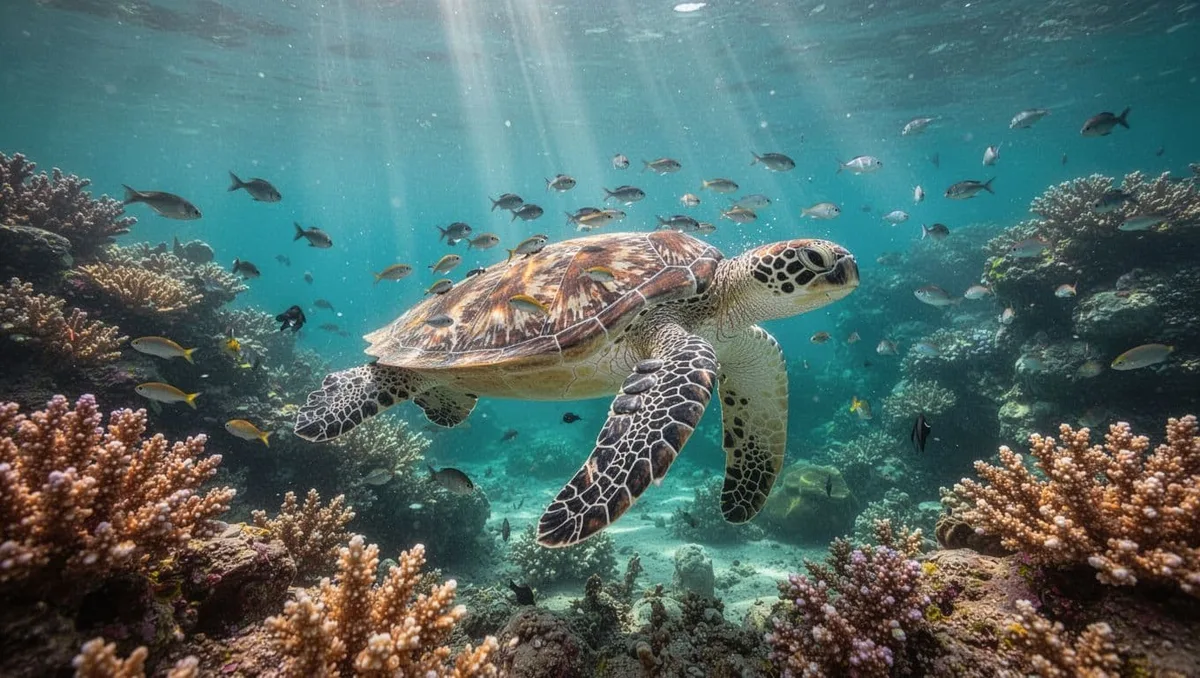
Finding the best places where to see sea turtles oahu offers depends on ocean swells, travel season, and your swimming comfort. Green sea turtles, known locally as honu (Chelonia mydas), feed and rest along Oahu's coastlines every day. Knowing which shoreline to visit saves hours of driving and keeps your group safe.
Wildlife surveys indicate Oahu supports a thriving nearshore sea turtle population across its northern, western, and southern shores. As of 2026, state conservation data shows stable nesting and foraging activity across major reef systems. Let's look at the top viewing zones, seasonal ocean conditions, and viewing methods across the island.
Image source: Bing (Web (fair-use with source credit))
Quick Answer
🌺 Local Island Guide Quick Answer
The most reliable place to see green sea turtles on Oahu is Laniakea Beach on the North Shore. For snorkeling, Turtle Canyons off Waikiki and Hanauma Bay offer the best visibility. Visit between 11:00 AM and 3:00 PM for basking turtles.
Always keep at least 10 feet of distance from resting or swimming turtles.
Where and When to Find Sea Turtles on Oahu (The Seasonality Factor)
Green sea turtles inhabit Oahu year-round, but seasonal surf dictates where you can safely view them. Massive North Pacific swells hit the North Shore from October through April. These winter waves create dangerous shorebreaks, rip currents, and low underwater visibility.
During winter months, focus your water activities on the South Shore or protected leeward coves. Summer brings calm, lake-like water to the North Shore, opening up world-class snorkeling spots. South Shore reefs experience slightly higher surf during southern summer swells, but bays like Hanauma remain sheltered.
Turtles haul out on dry sand to bask and raise their internal body temperature. Basking activity peaks during midday hours when the sun is warmest. Feeding occurs along shallow reef flats where turtles graze on native marine algae, known as limu.
| Season | Best Shore for Snorkeling | Best Shore for Beach Basking | Ocean Conditions |
|---|---|---|---|
| Summer (May to Sept) | North Shore and West Side | North Shore | Flat, calm water across the north. |
| Winter (Oct to April) | South Shore (Waikiki / Hanauma) | North Shore (sand viewing only) | Heavy North Shore surf. Calm south waters. |
Oahu Turtle Sighting Decision Tree: Choose Your Spot by Season, Skill, and Style
Picking the wrong beach can leave you stuck in highway traffic or facing dangerous ocean currents. Use this step-by-step logic to select your spot:
- If you are traveling with small children or non-swimmers: Head to Laniakea Beach or Haleiwa Beach Park. You can view turtles basking directly on the sand without entering the surf.
- If you want guaranteed calm snorkeling with lifeguards: Book an early morning entry slot at Hanauma Bay Nature Preserve. The inner reef is protected from large open-ocean swells.
- If you are visiting between October and April and want to snorkel: Book a boat excursion to Turtle Canyons off Waikiki. Do not attempt to snorkel open North Shore beaches during winter.
- If you are an experienced snorkeler visiting between May and September: Explore Shark's Cove or Kuilima Cove on the North Shore. The summer water is clear, flat, and full of marine life.
Top Spots to Watch Honu Bask on Dry Sand (No Swimming Required)
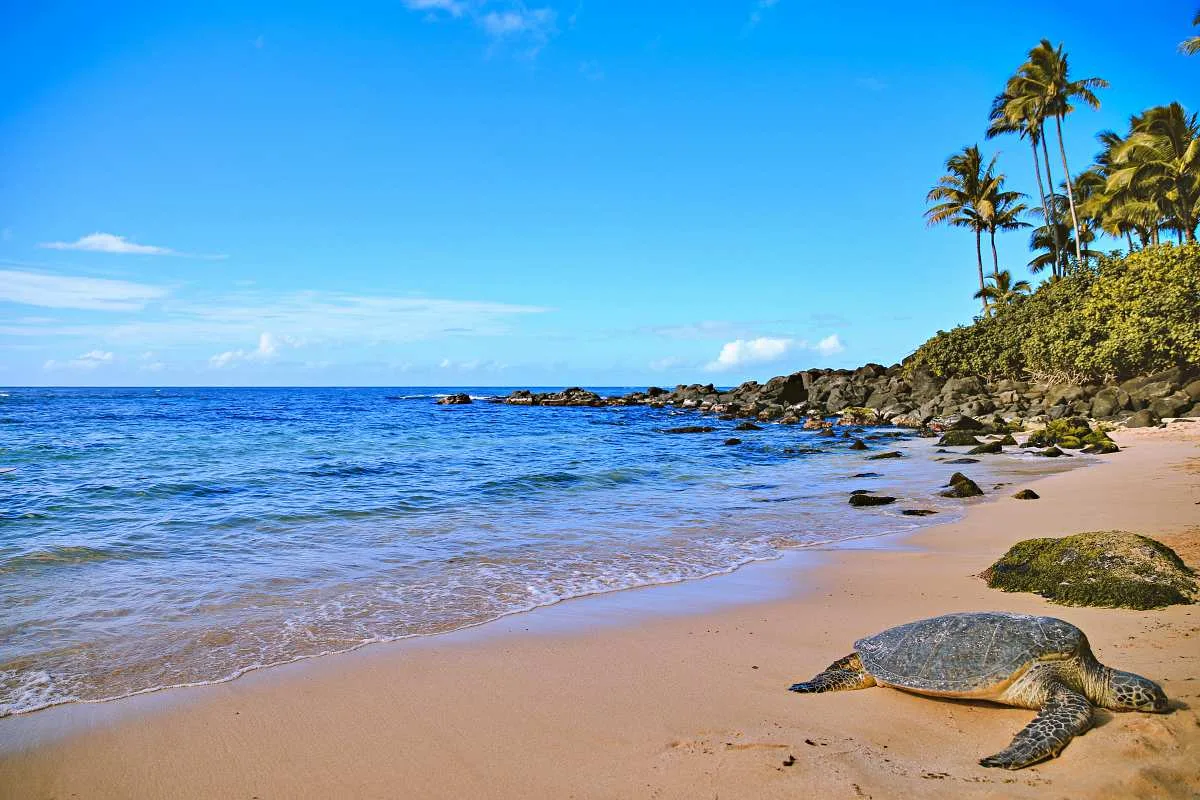
Image source: Web (Bing) / travelhawaiiwithus.com (Web image (fair-use with source credit))
Laniakea Beach (Turtle Beach)
Laniakea Beach on the North Shore is famous for daily basking activity. Turtles crawl out of the surf to rest directly on the warm golden sand. Volunteer docents often set up red boundary ropes to help visitors maintain a legal viewing distance.
Parking sits across Kamehameha Highway, so use caution when crossing the busy road. Midday traffic along this corridor builds quickly. Arrive before 10:30 AM or late in the afternoon to avoid the heaviest road congestion.
Haleiwa Beach Park and Aliʻi Beach
Located near historic Haleiwa town, these parks offer shallow water access, ample parking, and full restroom facilities. Turtles frequently feed on the algae growing across the lava rocks near the river mouth and harbor jetty.
The water inside the breakwater stays calmer than open-ocean beaches. It is an ideal spot for a relaxing picnic while watching turtles surface for air every few minutes.
Kuilima Cove at Turtle Bay
Kuilima Cove sits on the grounds of Turtle Bay Resort on Oahu's northeastern tip. A natural rock barrier encloses the cove, shielding it from heavy open-ocean waves.
Turtles frequently rest on the sand near the eastern edge or feed on submerged rocks inside the protected basin. The beach is open to the public, with vendor rentals and food options just steps away.
Best Spots for Snorkeling with Oahu Sea Turtles
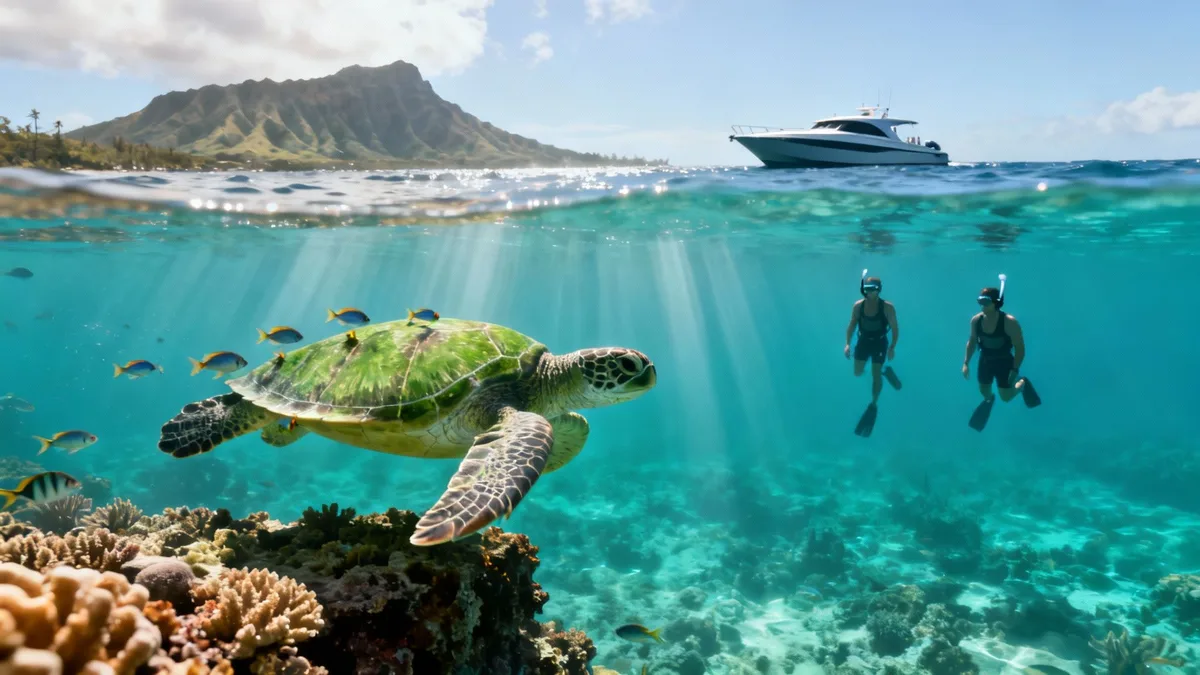
Image source: Web (Bing) / livingoceantours.com (Web image (fair-use with source credit))
Turtle Canyons (Off Waikiki)
Turtle Canyons is an offshore reef formation located just outside the Waikiki boat channel. It serves as a natural cleaning station where herbivorous reef fish, such as tangs and surgeonfish, graze algae off turtle shells.
Because this site is roughly 1,000 yards offshore, you must access it via a guided catamaran or boat tour from Kewalo Basin. Water clarity reaches 40 to 80 feet, making it one of the most consistent turtle sites in Hawaii.
Hanauma Bay Nature Preserve
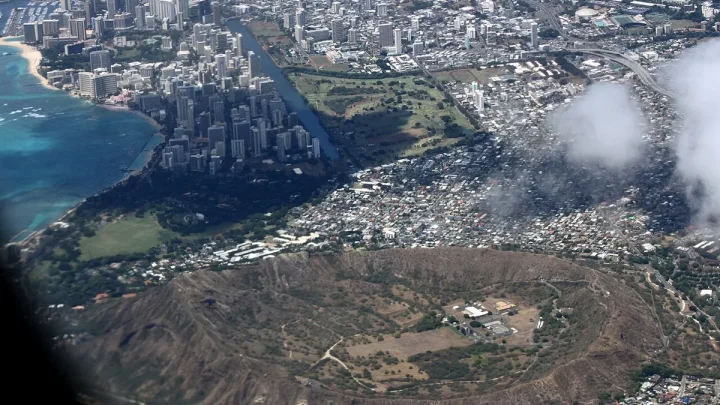
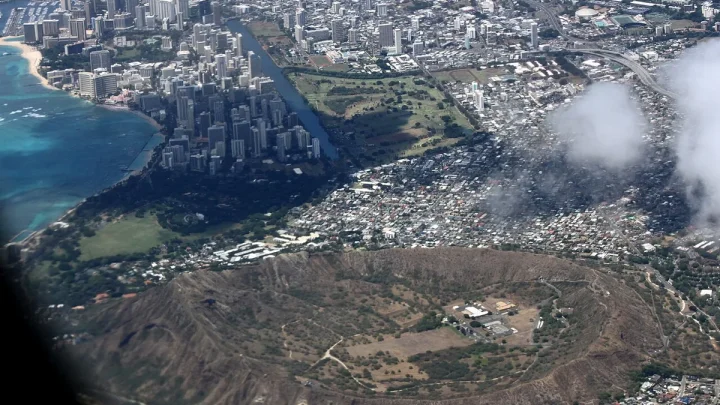
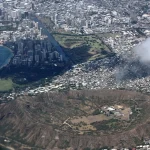
Hanauma Bay is a protected marine life conservation district situated inside a sunken volcanic crater on Oahu's southeast coast. The bay's shallow coral reefs support a diverse population of fish and grazing honu.
Access requires an advance reservation through the Honolulu Parks and Recreation system. Tickets open online 48 hours prior at 7:00 AM Hawaii Standard Time and sell out within minutes. The bay is closed to the public on Mondays and Tuesdays to allow the ecosystem to rest.
Shark’s Cove (Pupukea Marine Life Conservation District)
Shark's Cove offers dramatic underwater lava tubes, sea caves, and rocky ledges along the North Shore. During the calm summer months, turtles glide through the deeper perimeter reef and graze on bottom flats.
This site contains sharp volcanic rock and has no sandy entry point. Wear sturdy reef booties, check the surf report before jumping in, and avoid the area completely during winter high surf.
Electric Beach (Kahe Point Beach Park)
Electric Beach on Oahu's leeward west coast sits right across from a power generation facility. The plant discharges warm, clean cooling water through two large offshore outflow pipes.
The warm current attracts a high concentration of sea life, including green sea turtles, eagle rays, and schooling fish. Strong currents run near the pipe mouths, so this site is recommended only for strong swimmers with fins.
Rules of the Reef: Distance Laws, Fines, and Ethical Turtle Etiquette
The 10-Foot Distance Rule and Hawaii State Protections
Hawaiian green sea turtles receive strict legal protection under the federal Endangered Species Act and state conservation statutes. NOAA Fisheries and the Hawaii Department of Land and Natural Resources recommend keeping a minimum buffer of 10 feet (3 meters) on land and in the water.
Never touch, pursue, feed, or corner a sea turtle. Surrounding a turtle or blocking its path to open water or the surface constitutes illegal harassment. Violations carry stiff state and federal fines reaching up to $100,000, along with potential criminal penalties.
Sunscreen Regulations and Marine Habitat Care
Hawaii state law prohibits the sale of sunscreens containing oxybenzone and octinoxate. These chemicals bleach living coral tissue, disrupt coral reproduction, and damage the shallow ecosystems turtles rely on for food.
Protect the reefs by using mineral-based formulas made with non-nano zinc oxide or titanium dioxide. When entering the ocean, step carefully on sand channels rather than standing on living coral heads or algae-covered rock beds.
Common Mistakes That Ruin Oahu Turtle Encounters (and How to Avoid Them)
Simple planning errors can turn an exciting wildlife outing into a stressful trip. Being aware of these frequent missteps will keep your experience safe, legal, and enjoyable.
- Ignoring winter surf reports: Visitors often head to North Shore snorkel sites like Shark's Cove between November and March. Large winter waves wipe out visibility and create life-threatening undertows. Always check lifeguard warnings and surf forecasts before packing your gear.
- Crowding or cornering turtles in the water: Swimmers sometimes surround a turtle while filming with action cameras. This causes the animal stress and blocks its path to the surface for air. Always swim parallel to turtles and leave them a wide, clear exit path.
- Underestimating North Shore highway traffic: A single two-lane road connects the North Shore beaches. Midday traffic near Laniakea Beach often slows to a crawl for several miles. Plan your drive for early morning or late afternoon to avoid losing hours on the road.
- Using chemical sunscreens: Traditional chemical sunscreens wash off your skin and poison nearshore coral heads. Look closely at ingredient labels before swimming. Choose mineral sunscreens containing zinc oxide to comply with local conservation laws.
Frequently Asked Questions About Seeing Oahu Sea Turtles
What is the best time of day to see sea turtles on Oahu?
The best time to see sea turtles basking on Oahu beaches is between 11:00 AM and 3:00 PM. Turtles haul out onto the sand during these hours to warm themselves in the midday sun. For snorkeling, early morning between 7:00 AM and 9:00 AM offers the calmest water and best visibility.
Can you touch a sea turtle if it swims up to you?
No, you may not touch a sea turtle under any circumstances. Federal and Hawaii state laws strictly prohibit touching, chasing, or feeding wild sea turtles. If a turtle swims toward you in the water, stop kicking, stay calm, and gently back away to maintain at least 10 feet of space.
What is the difference between green sea turtles and hawksbill turtles on Oahu?
Green sea turtles (honu) are the most common species on Oahu and feature smooth, rounded shells and blunt snouts for eating algae. Hawksbill turtles (honuea) are critically endangered and much rarer. Hawksbills have distinct pointed beaks, serrated shell edges, and overlapping shell plates for hunting sponges in deep reef crevices.
Do you need a boat tour to see turtles at Turtle Canyons?
Yes, you need a boat tour or kayak to reach Turtle Canyons safely. The reef cleaning station sits roughly 1,000 yards offshore from Waikiki Beach. Swimming to the site from shore is unsafe due to active boat traffic, strong ocean currents, and long distances.
Is snorkeling with turtles safe for beginners?
Snorkeling with turtles is very safe for beginners at protected locations like Hanauma Bay or Kuilima Cove. These sheltered coves feature calm water, shallow reef flats, and on-duty lifeguards. Beginners should avoid open-ocean drift sites and rocky entries without a certified guide or flotation vest.
ðŸ–ï¸ Field-Tested Gear: Hawaii Beach & Ocean Protection
To protect Oahu’s fragile coral reef ecosystems and navigate sharp volcanic basalt shorelines comfortably, our on-island team recommends packing these certified travel essentials:
- Hawaii Act 104 Reef-Safe Mineral Sunscreen:Check Certified Mineral Reef Sunscreen on Amazon →
- Heavy-Duty Waterproof Dry Bag & Phone Pouch:Check Waterproof Ocean Dry Bags on Amazon →
*FTC Disclosure: As an Amazon Associate, Hawaii Travel Bureau earns from qualifying purchases. Learn more about our field-tested travel research methodology.*
🌺 Related Oahu Ocean, Beach & Snorkel Guides:

Similar Posts