Is There a Black Sand Beach on Oahu? The Truth Revealed
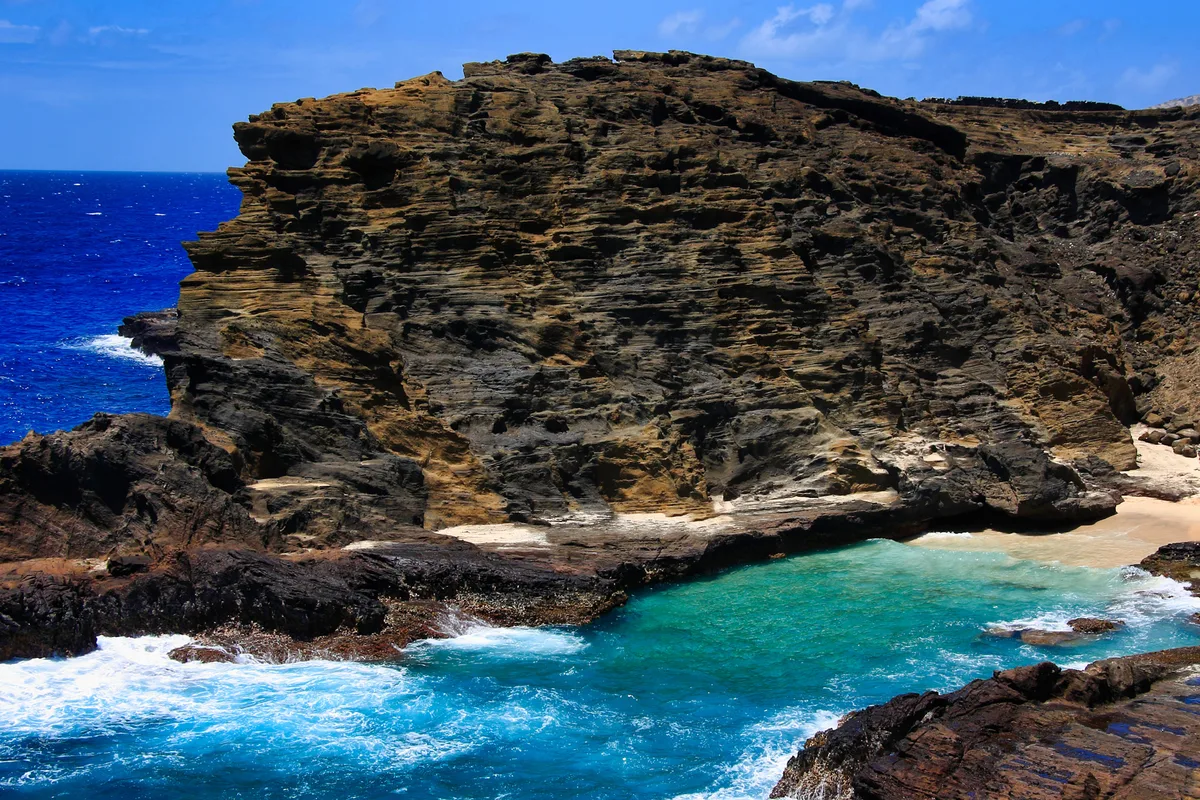
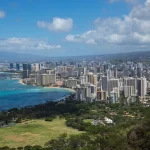
Travelers planning an island itinerary frequently ask: is there a black sand beach on oahu? The straightforward answer is no. Oahu does not have any true black sand beaches anywhere along its coastline.
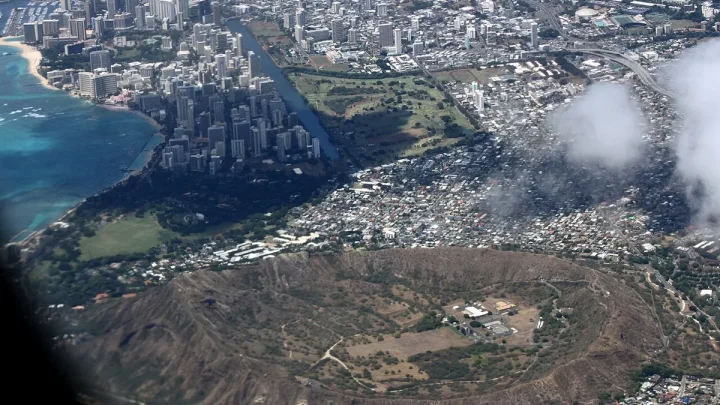
Geological research from the University of Hawaiʻi SOEST confirms that Oahu's volcanic shields are millions of years old, meaning coastal basalt has long weathered into lighter grains. If you see pitch-black sand on social media tagged on Oahu, it is almost certainly a mislabeled photo from a neighboring island. Let us look at what Oahu actually offers and how you can see real volcanic sand nearby.
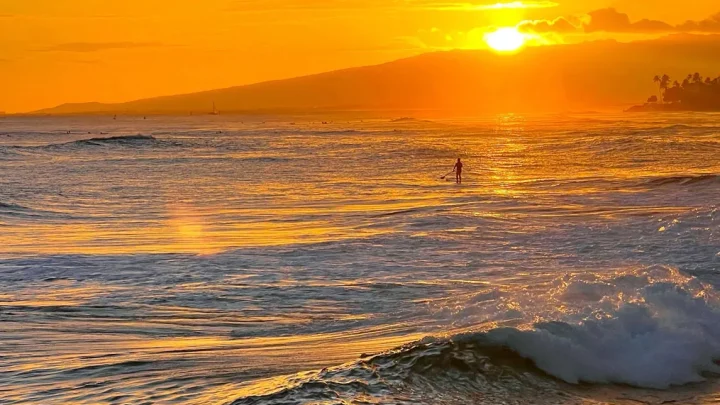
Image source: Web (Bing) / lauralohatravel.com (Web image (fair-use with source credit))
Quick Answer
There is no black sand beach on Oahu. Oahu has golden coral beaches and dark rocky coves. True black sand requires active or recent volcanism.
Neighboring islands like Maui and Hawaiʻi Island have true black sand. Oahu is geologically too old to sustain jet-black basalt sand.
The Geology: Why Oahu Has Golden Sand While Other Islands Have Black Sand
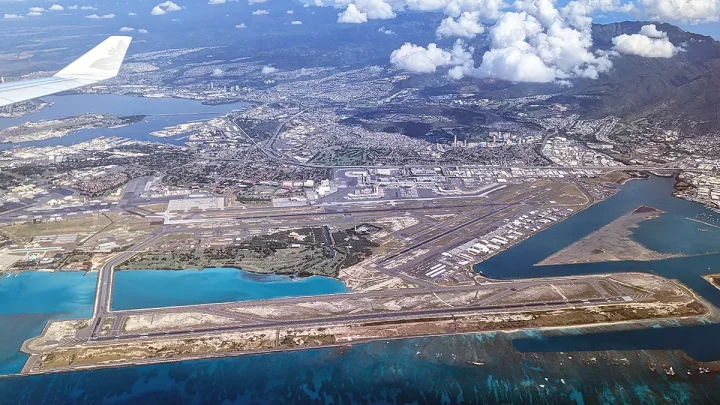
The Hawaiian archipelago acts like a giant geological conveyor belt. As tectonic plates move over a stationary magma hotspot, islands form, age, and erode. Hawaiʻi Island (the Big Island) sits directly over the hotspot and features active volcanoes, while Oahu moved away from the hotspot millions of years ago.
Black sand is created when hot basaltic lava flows into the cold ocean. The thermal shock shatters the molten rock into tiny, glassy basalt fragments. This volcanic glass is chemically unstable and breaks down rapidly under constant wave friction.
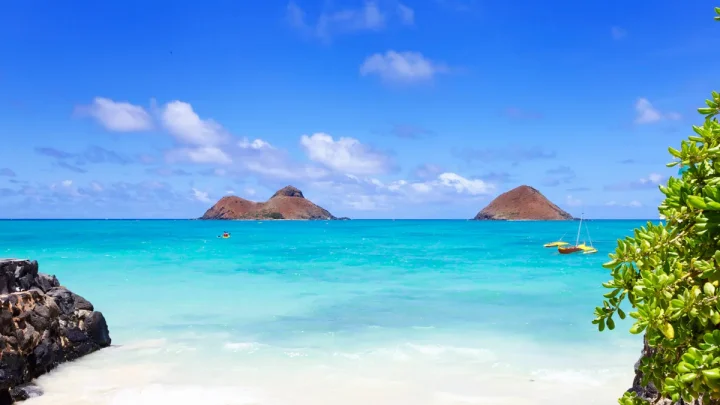
Because Oahu's volcanoes went extinct roughly 2.5 million years ago, all original black sand beaches eroded away long ago. Without fresh lava flows to replenish the supply, marine life took over sand production. Oahu's famous white and golden coastlines consist of biogenic calcium carbonate, made from crushed coral reefs, mollusk shells, and calcified algae.
| Feature | Oahu Beaches | Big Island / Maui Black Sand Beaches |
|---|---|---|
| Primary Material | Crushed coral and marine shells (calcium carbonate) | Vitreous basaltic glass and lava fragments |
| Geological Age | 2.5 to 3.9 million years old | Active to under 500,000 years old |
| Dominant Color | Light tan, golden, or cream | Jet black with occasional green olivine crystals |
| Surface Temperature | Stays moderately warm under the sun | Absorbs extreme heat and burns bare skin quickly |
| Lifespan | Long-term sustainable reef replenishment | Short geological lifespan without active lava flows |
Oahu’s Dark Sand "Imposters" and Volcanic Coves
While Oahu lacks pure black sand, the island has several rugged, dark coastal spots. High-contrast volcanic cliffs often make ordinary shoreline sand look much darker in photographs than it appears in person.
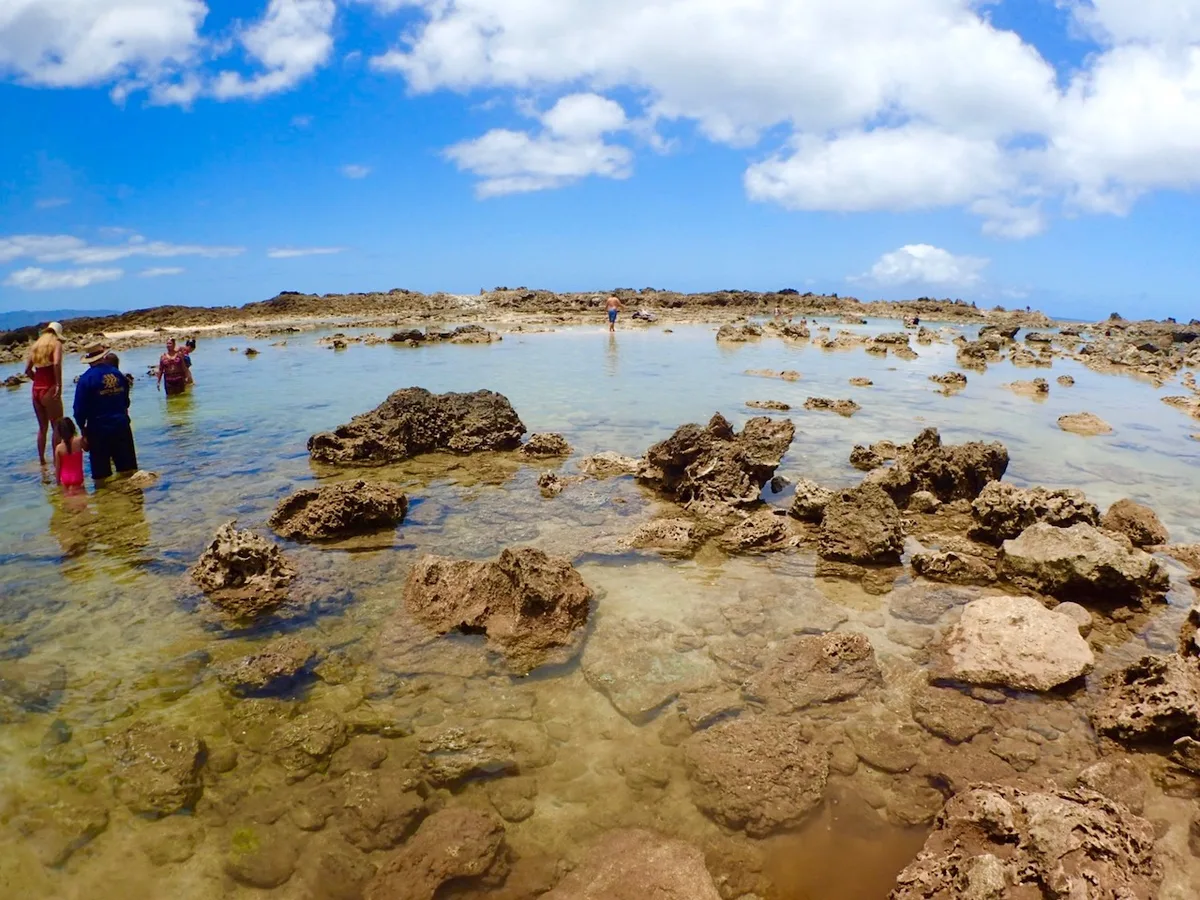
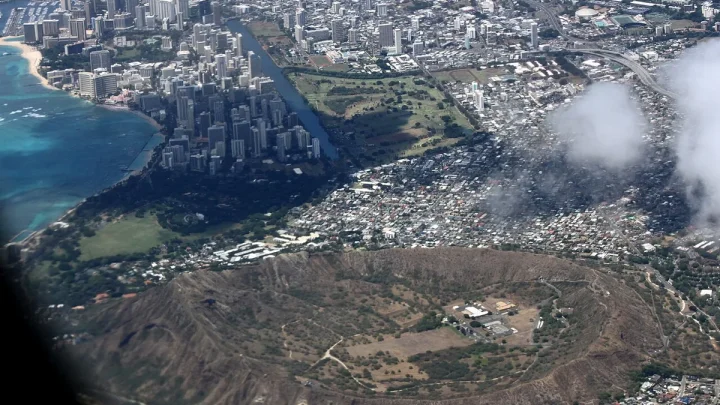
Image source: Web (Bing) / sowhatshouldwedo.com (Web image (fair-use with source credit))
Halona Beach Cove: The Most Common False Match
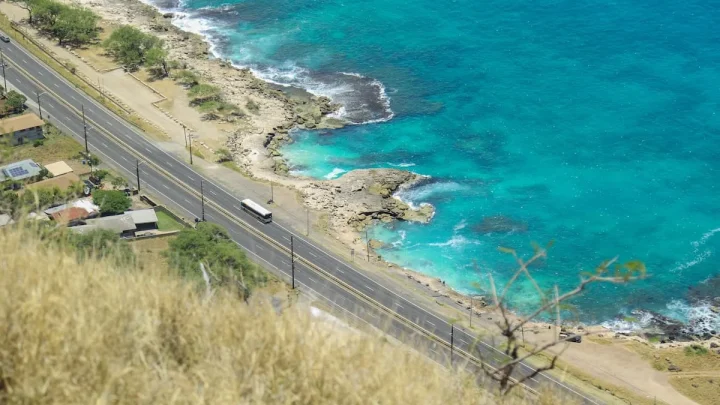
Halona Beach Cove, often called Eternity Beach, sits tucked beneath jagged basalt bluffs on Oahu's southeastern tip. It is the beach most frequently mislabeled as "black sand" online.
In reality, the sand at Halona Cove is coarse, tan, and mixed with crushed shell fragments. The towering black lava rock walls surrounding the cove cast deep shadows. That contrast creates the illusion of dark sand in photos, but up close, the grains are decidedly golden-brown.
Shark’s Cove and Ke Iki: Rocky Lava Formations
Along Oahu’s North Shore, Shark's Cove offers dramatic volcanic terrain with zero actual black sand. The shoreline features sharp basalt ledges, underwater lava tubes, and large tide pools.
Just down the road, Ke Iki Beach features large lava shelves that break out from the golden sand. You get the striking visual contrast of crashing white foam against dark rock, but the beach sand itself remains traditional golden North Shore sand.
River Run-Off Sediment: Why Some Oahu Beaches Look Grey
Some stream outlets and windward coves occasionally display dark grey or muddy brown patches along the tideline. This occurs when heavy inland rains wash dark terrestrial volcanic soil down from the Koʻolau mountains.
These sediment deposits are not black volcanic sand. True black sand consists of hard, glassy basalt grains created by lava explosions. River run-off deposits are simply dark clay and silt that wash away with the next strong tide.
Decision Guide: How to Get Your Black Sand Beach Fix
If visiting a black sand beach is a non-negotiable bucket list item for your trip, use this workflow to map out your best options based on your schedule and budget.
- Scenario 1: You are locked into Oahu with no time to fly.
- Best Move: Visit Halona Beach Cove, Sandy Beach, and Makapuʻu Point.
- Why: You will get the raw volcanic cliff scenery, dramatic blowholes, and crashing surf, even if the sand under your feet is gold.
- Scenario 2: You have a free day and a flexible travel budget.
- Best Move: Book an early morning, 45-minute inter-island flight from Honolulu (HNL) to Hilo (ITO) on Hawaiʻi Island.
- Why: You can rent a car, drive straight to Punaluʻu Black Sand Beach, explore Hawaii Volcanoes National Park, and return to Oahu by evening.
- Scenario 3: You are already splitting your vacation between islands.
- Best Move: Route your secondary island stay through Maui or Hawaiʻi Island.
- Why: Maui’s Road to Hāna and Hawaiʻi Island’s Kaʻū and Puna districts host the premier volcanic beaches in the state.
The Best True Black Sand Beaches in Hawaii (And How to Visit From Oahu)
If you decide to take an inter-island day trip, Hawaii has world-class volcanic beaches just a short flight away.
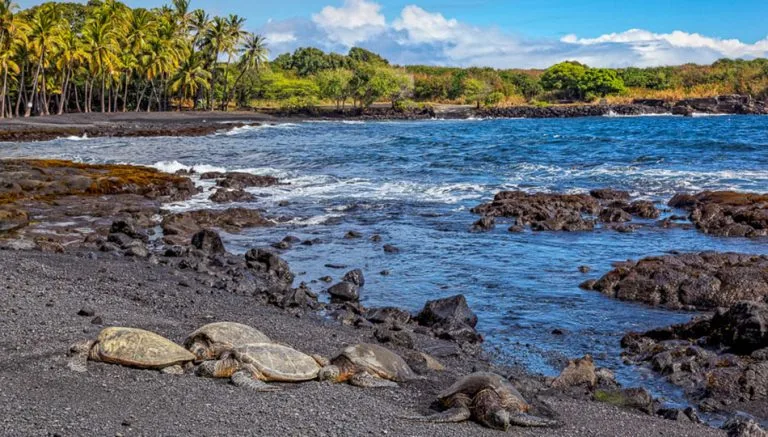
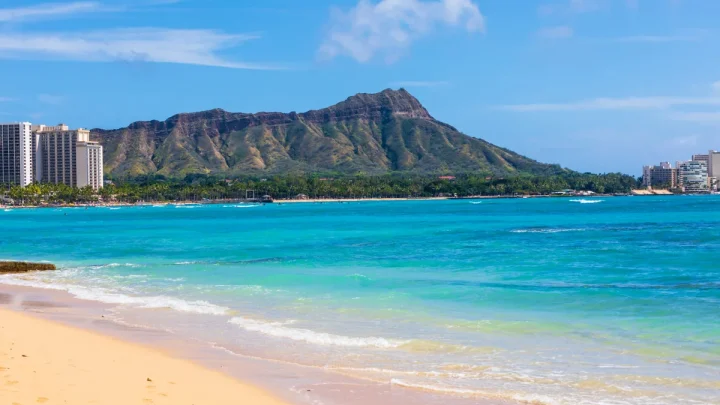
Image source: Bing (Web (fair-use with source credit))
Punaluʻu Beach (Hawaiʻi Island)
Punaluʻu Beach sits on the southern Kaʻū coast of Hawaiʻi Island and is the most famous black sand beach in the state. The shoreline is lined with tall coconut palms that contrast sharply against pitch-black basalt sand.
Honu (Hawaiian green sea turtles) frequently haul out onto the warm dark sand to rest. As of 2026, visitors must maintain a legal distance of at least 10 feet from resting sea turtles under state wildlife protection laws.
Paʻiloa Beach at Waiʻanapanapa State Park (Maui)
Located along the famous Road to Hāna, Paʻiloa Beach features dramatic sea arches, lava tubes, and small black basalt pebbles. The bright turquoise water against the deep black coastline makes it one of Maui’s most photographed spots.
Visiting Paʻiloa Beach requires advance planning. The Hawaii Division of State Parks mandates timed parking and entry reservations for all non-residents before arrival.
Kaimū Beach and Pololū Valley (Hawaiʻi Island)
Kaimū Beach in the Puna district provides a direct look at brand-new land creation. A 1990 lava flow from Kīlauea buried the original shoreline, creating a new, coarse black sand beach that locals have spent decades replanting with palms.
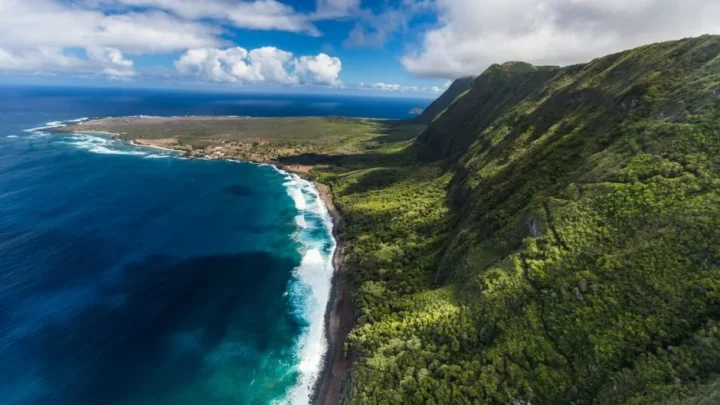
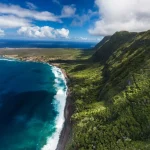
Further north on Hawaiʻi Island, Pololū Valley offers a dramatic black sand beach set at the base of towering, lush sea cliffs. Reaching the sand requires a steep 20-minute hike down an uneven dirt trail.
Practical Steps for an Inter-Island Day Trip From Honolulu
Taking a day trip from Oahu to see genuine black sand is simple if you plan ahead. Flights between islands are frequent and operate much like regional bus routes.
- Book an Early Morning Flight
Reserve a flight from Daniel K. Inouye International Airport (HNL) departing between 6:00 AM and 7:30 AM. Fly into Hilo (ITO) on Hawaiʻi Island for the fastest access to Punaluʻu Beach.
Flight time is roughly 50 minutes each way.
Secure a Rental Car in Advance
Book a rental car for pickup directly at the terminal. Having your own vehicle gives you the freedom to drive south down Highway 11 at your own pace.Drive to the Southern Coast
From Hilo, the scenic drive to Punaluʻu Beach takes about 60 minutes. You will pass through lush rainforests and small rural towns along the way.Pack Proper Footwear and Sun Protection
Bring sturdy water shoes or sandals. Black basalt sand absorbs solar radiation quickly and becomes too hot for bare feet by mid-morning.Schedule an Evening Return
Book a return flight back to Honolulu departing after 7:00 PM. This schedule gives you plenty of time to explore the coastline, visit Hawaii Volcanoes National Park, and grab dinner in Hilo before heading back to Waikiki.
Critical Mistakes to Avoid When Searching for Volcanic Beaches
- Taking sand home as a souvenir: Removing sand, rocks, or coral from any Hawaiian shoreline is illegal under Hawaii Revised Statutes (§171-58.5 and §205A-44). Violations can carry fines of up to $100,000. Leave every grain where you found it.
- Walking barefoot across dark sand or lava shelves: Basalt fragments retain intense heat from direct sunlight. Even on partly cloudy days, black sand can cause painful burns on unprotected feet within minutes.
- Underestimating dangerous shorebreaks: Volcanic coves often drop off steeply into deep water. Rough shorebreaks and unpredictable surge currents make swimming hazardous at places like Halona Cove and Sandy Beach on Oahu. Always check ocean conditions and heed posted warning signs.
- Relying on social media location tags: Travel influencers frequently tag generic Hawaii locations or slap Oahu geotags on photos taken on Maui or the Big Island. Always verify beach coordinates and local geological guides before driving out of your way.
Frequently Asked Questions About Oahu’s Coastline and Sand
Which Hawaiian island has the best black sand beaches?
Hawaiʻi Island (the Big Island) has the best and most accessible black sand beaches in the state. Punaluʻu Beach and Kaimū Beach offer deep black basalt sand directly adjacent to easy parking areas. Maui also features famous black pebble shores at Waiʻanapanapa State Park.
Is Halona Cove considered a black sand beach?
No, Halona Beach Cove is not a black sand beach. The sand at Halona Cove is coarse, tan, and made from crushed marine shells. The tall, dark volcanic rock walls enclosing the cove create deep shadows that make the shoreline appear darker in photographs.
Can you take black sand home from Hawaii?
No, taking sand from any Hawaii beach is strictly prohibited by state law. Doing so disrupts fragile coastal ecosystems and can result in severe legal fines. Local cultural tradition also holds that removing volcanic rock or sand brings misfortune, known locally as Pele's Curse.
Does Oahu have a green sand beach?
Oahu does not have a green sand beach. The only green sand beach in the state of Hawaii is Papakōlea Beach, located near South Point on Hawaiʻi Island. Its distinctive olive hue comes from concentrated olivine crystals eroded from an ancient volcanic cinder cone.
What is the closest black sand beach to Waikiki?
The closest true black sand beach to Waikiki is Paʻiloa Beach at Waiʻanapanapa State Park on Maui. Visiting it requires a 40-minute inter-island flight from Honolulu to Kahului, followed by a drive along the Road to Hāna. Punaluʻu Beach on Hawaiʻi Island is equally quick to reach by air.
ðŸ–ï¸ Field-Tested Gear: Hawaii Beach & Ocean Protection
To protect Oahu’s fragile coral reef ecosystems and navigate sharp volcanic basalt shorelines comfortably, our on-island team recommends packing these certified travel essentials:
- Hawaii Act 104 Reef-Safe Mineral Sunscreen:Check Certified Mineral Reef Sunscreen on Amazon →
- Heavy-Duty Waterproof Dry Bag & Phone Pouch:Check Waterproof Ocean Dry Bags on Amazon →
*FTC Disclosure: As an Amazon Associate, Hawaii Travel Bureau earns from qualifying purchases. Learn more about our field-tested travel research methodology.*
🌺 Related Oahu Ocean, Beach & Snorkel Guides:

Similar Posts