Can You Drink Tap Water in Oahu? What You Need to Know
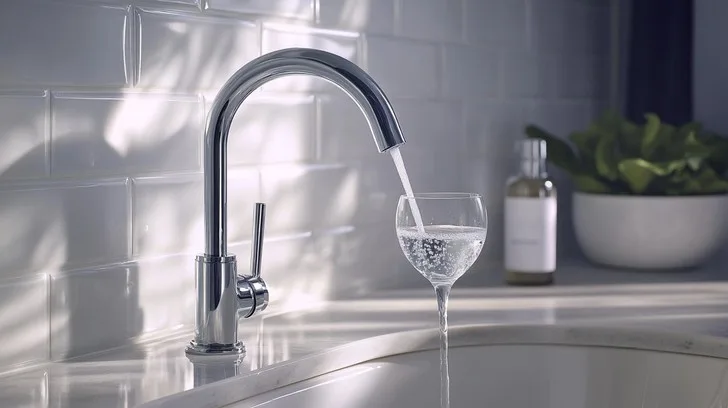
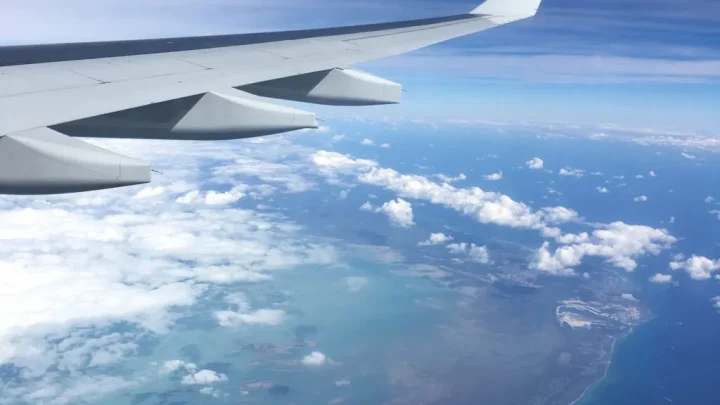
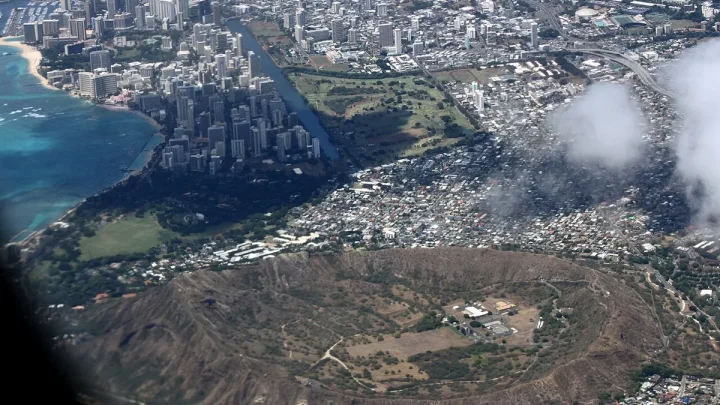
If you are planning a trip or moving to Honolulu, you might wonder: can you drink tap water in oahu? The simple answer is yes. Oahu municipal tap water is safe to drink, and it ranks among the cleanest city water supplies in the United States.
Public tap water on Oahu consistently meets every standard under the EPA Safe Drinking Water Act. It filters naturally through thousands of feet of porous volcanic rock before reaching any municipal well. As of 2026, the island public tap system delivers fresh, pristine water straight from the faucet.
Image source: Bing (Web (fair-use with source credit))
Quick Answer
🌺 Local Island Guide Quick Answer
You can safely drink municipal tap water across the island of Oahu. Oahu tap water meets strict state and federal safety guidelines. Natural volcanic basalt filters rainwater over several decades.
Waikiki hotels and local residences use this clean municipal supply. You do not need bottled water for daily drinking or cooking.
How Oahu's Volcanic Geology Naturally Purifies Your Tap Water
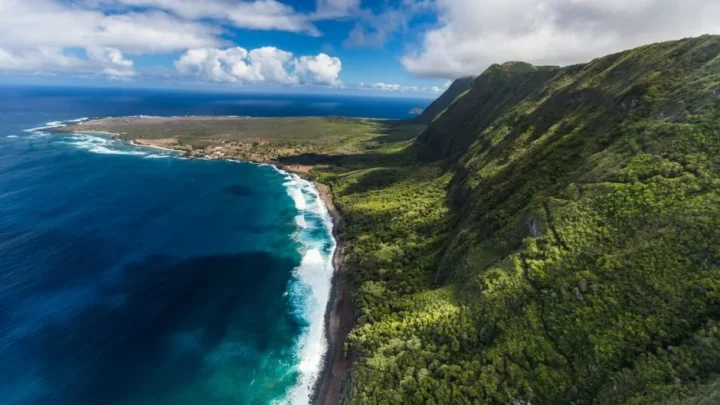
Oahu relies on a natural filtration system that takes decades to complete. Heavy trade winds push clouds against the high Koʻolau and Waiʻanae mountain ranges. Rain falls over the dense tropical rainforests and slowly soaks into the ground.

Image source: Web (Bing) / mdpi.com (Web image (fair-use with source credit))
The water then spends roughly 25 years trickling down through layers of porous volcanic basalt rock. This slow percolation removes dirt, micro-particles, and bacteria naturally. By the time the water settles into deep underground aquifers, it is exceptionally pure.
The Honolulu Board of Water Supply pumps this water directly from deep wells and underground skimming shafts. Because the volcanic rock does the heavy lifting, the utility adds only a minimal amount of chlorine for disinfection. The result is sweet, clean water that tastes like bottled spring water.
Oahu Municipal Water vs. the Red Hill Military Water Line
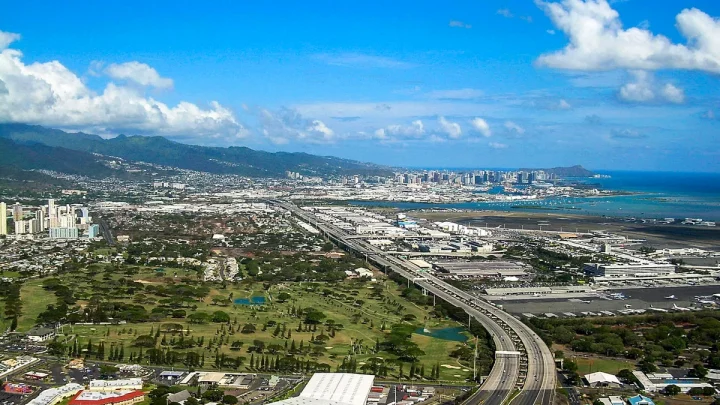
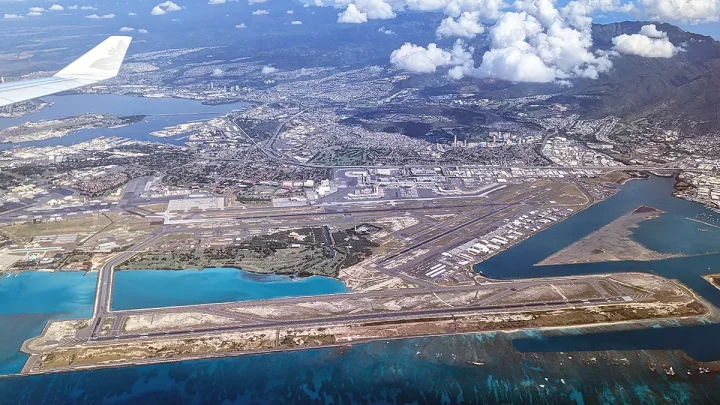
Many travelers and new residents ask about water safety due to news regarding the Red Hill Bulk Fuel Storage Facility. In late 2021, petroleum leaked into a drinking well that served the Joint Base Pearl Harbor-Hickam water system. This incident impacted military housing and naval facilities located around the base.
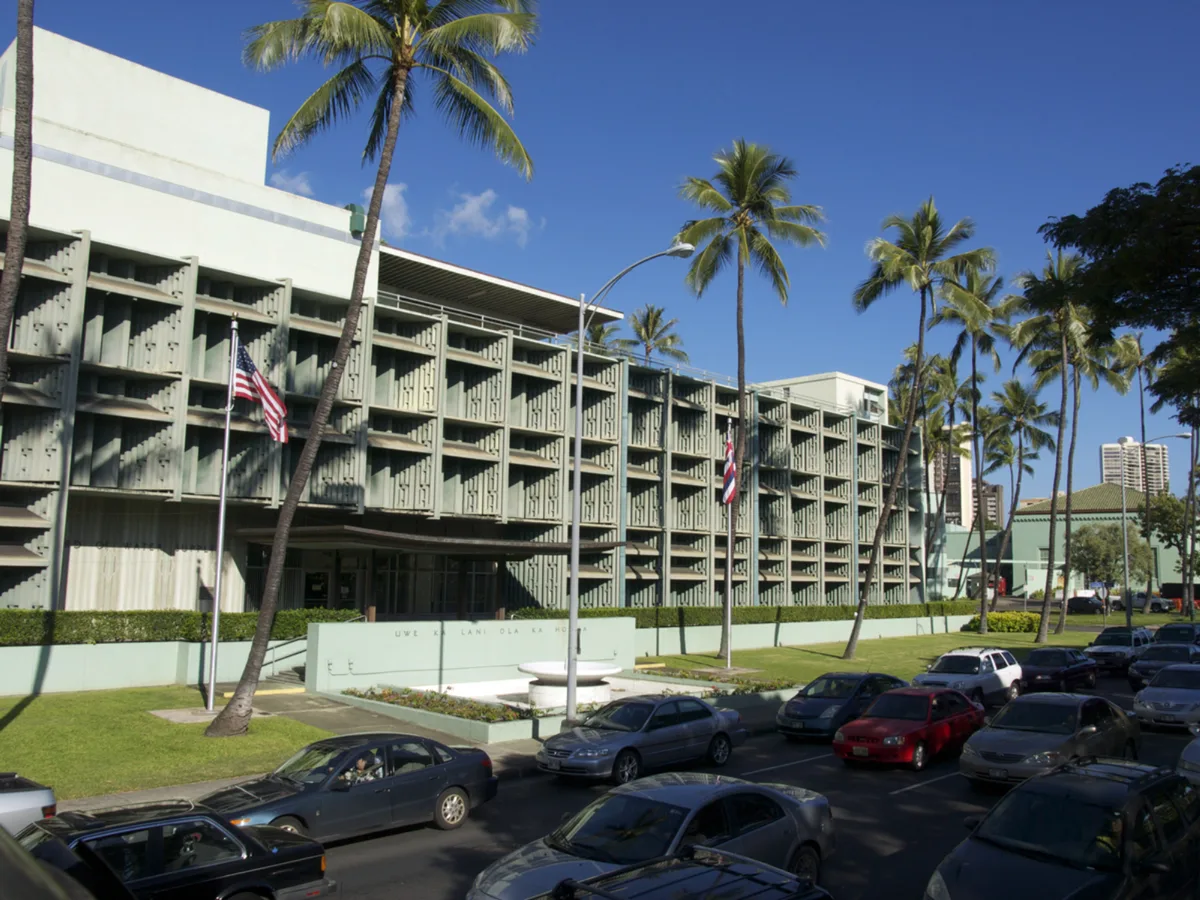
Image source: Web (Bing) / docomomo-us.org (Web image (fair-use with source credit))
The municipal public water grid on Oahu is completely separate from the military water system. The Honolulu Board of Water Supply manages all municipal tap lines for civilian areas, hotels, and tourist districts.
When the military leak happened, the municipal utility immediately halted pumping at its nearby Halawa Shaft as an extra precaution. That swift isolation kept the public municipal supply safe and uncontaminated. Routine testing by state and federal health agencies confirms that municipal tap water in Waikiki, Honolulu, and residential neighborhoods remains unaffected.
Oahu Tap Water Specs: Taste, Mineral Content, and Hardness
Oahu water tastes crisp and clean without the heavy chemical odor common in many mainland cities. The natural volcanic filtration imparts beneficial minerals like silica while keeping dissolved solids low.
The water on Oahu is soft to moderately soft. It will not leave heavy limescale deposits on your cookware or dry out your skin after a shower.
| Parameter | Typical Value | Classification / Details |
|---|---|---|
| Hardness | 30 to 60 mg/L (ppm) | Soft to moderately soft |
| pH Range | 7.2 to 8.2 | Neutral to slightly alkaline |
| Disinfection | 0.2 to 1.0 ppm | Low residual chlorine |
| Fluoride | < 0.2 mg/L | Naturally occurring (not artificially added) |
| Source | 100% Groundwater | Deep volcanic basalt aquifers |
Unlike many mainland municipalities, Hawaii does not add artificial fluoride to public drinking water. If you have young children, pediatricians in Hawaii often suggest dietary fluoride supplements.
Safe Drinking Practices for Visitors, Renters, and Residents
For most people on Oahu, drinking straight from the kitchen or bathroom faucet is perfectly safe. You can use it freely for making coffee, boiling pasta, and filling reusable water bottles for the beach.
When an At-Home Filter Makes Sense
While the city water mains are pristine, old plumbing can affect what comes out of your tap. If you stay in a vintage apartment building or an older home built before 1986, old copper pipes or soldered joints might alter the water taste.
- Use an active carbon pitcher filter (such as Brita or PUR) if you want to remove all traces of residual chlorine.
- Run the cold tap for 30 seconds before drinking if the faucet has sat unused for several days.
- Never drink hot water directly from the tap because water heaters can accumulate sediment over time.
Traveling Around Oahu: Tap Water Safety by Region
Municipal tap water is consistent across all parts of the island. Whether you stay in a high-rise resort in Waikiki, a rental home in Kailua, or a beach bungalow in Haleiwa on the North Shore, the water comes from the same protected groundwater network.
Public beach parks and hiking trailheads on Oahu provide potable tap water from the municipal line. If a park spigot is non-potable, local authorities post clear warning signs. Otherwise, filling up your flask at public park fountains is safe and convenient.
Bottled Water vs. Tap Water on Oahu: Cost, Safety, and Eco-Impact
Buying bottled water on Oahu adds unnecessary expenses and plastic waste. Hawaii imports the vast majority of its bottled goods by container ship. This shipping process increases both the retail price and the island carbon footprint.
Municipal tap water costs less than a penny per gallon. In contrast, standard bottled water in grocery stores often costs between 3 and 5 dollars per gallon. Packing a durable, reusable stainless steel flask saves money every day of your trip.
| Factor | Oahu Municipal Tap Water | Single-Use Bottled Water |
|---|---|---|
| Cost per Gallon | Under $0.01 | $3.00 to $5.00+ |
| Source | Deep volcanic basalt aquifers | Variable (spring or municipal mainland tap) |
| Safety Testing | Monitored daily by state and EPA | Periodic batch testing by bottlers |
| Environmental Impact | Zero single-use plastic waste | Heavy plastic disposal and shipping emissions |
Plastic bottles also present a significant waste management challenge on an isolated island. Landfill space on Oahu is strictly limited. Choosing the tap protects local shorelines and marine life from discarded plastic litter.
Common Oahu Tap Water Questions (FAQs)
Why does Oahu tap water look cloudy sometimes?
Cloudiness in fresh tap water is almost always caused by tiny, harmless air bubbles. When water travels under pressure through underground pipes, air dissolves into it. If you let the glass sit on the counter for 60 seconds, the bubbles will rise to the top and clear up completely.
Is tap water in Waikiki hotels safe for babies and infant formula?
Yes, municipal water across Waikiki meets all safety thresholds for infant consumption. You can mix powdered formula directly with cold tap water. If you stay in an older property with aging plumbing, boiling the water or running it through an NSF-certified filter offers extra peace of mind.
Can you drink tap water from Oahu beach parks and hiking trails?
Yes, designated drinking fountains at Oahu beach parks connect directly to the municipal grid. That water is clean and fully potable. However, never drink raw water from island streams, waterfalls, or rivers.
Untreated freshwater in Hawaii can carry harmful Leptospirosis bacteria.
Does Oahu tap water contain chlorine or fluoride?
Oahu water contains a tiny amount of chlorine for basic disinfection, usually under 1.0 part per million. It does not contain artificially added fluoride. The naturally occurring fluoride level remains very low, typically measuring below 0.2 parts per million across the island.
Do you need a reverse osmosis system on Oahu?
No, standard households on Oahu do not require reverse osmosis systems. The natural volcanic basalt rock filtration already removes heavy impurities and minerals. A standard activated carbon pitcher filter is plenty if you want to eliminate the mild chlorine taste.
The Final Verdict on Drinking Oahu Tap Water
Oahu offers some of the cleanest and best-tasting municipal tap water in the United States. Decades of natural filtration through volcanic rock keep the island water supply clean, clear, and refreshing.
You do not need to buy cases of bottled water for your hotel or rental home. Pack a reusable insulated bottle, fill it straight from the kitchen sink, and stay hydrated wherever your island travels take you.
ðŸ–ï¸ Field-Tested Gear: Hawaii Beach & Ocean Protection
To protect Oahu’s fragile coral reef ecosystems and navigate sharp volcanic basalt shorelines comfortably, our on-island team recommends packing these certified travel essentials:
- Hawaii Act 104 Reef-Safe Mineral Sunscreen:Check Certified Mineral Reef Sunscreen on Amazon →
- Heavy-Duty Waterproof Dry Bag & Phone Pouch:Check Waterproof Ocean Dry Bags on Amazon →
*FTC Disclosure: As an Amazon Associate, Hawaii Travel Bureau earns from qualifying purchases. Learn more about our field-tested travel research methodology.*
🌺 Related Oahu Ocean, Beach & Snorkel Guides:

Similar Posts