How Many Residents Live on Oahu? Population Facts
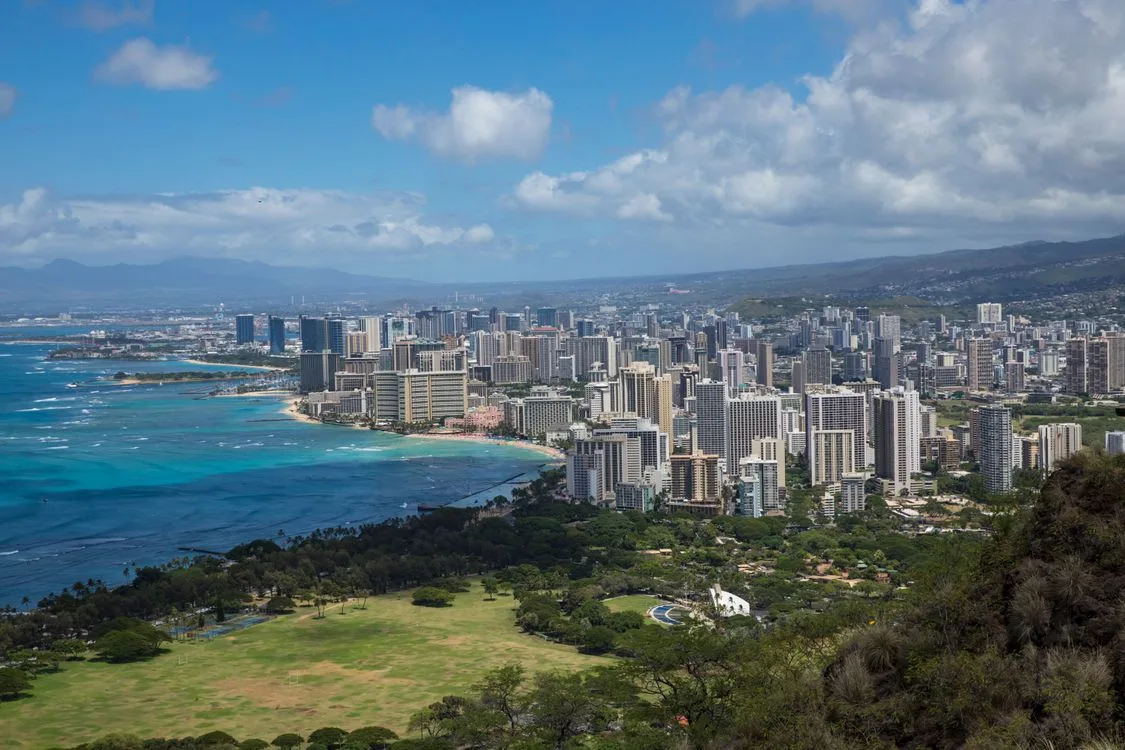
If you are planning a move or just curious about island demographics, you probably want to know how many residents live on Oahu. The island is the economic heart of Hawaii, but it holds a surprisingly large share of the state's total population.
Official data from the U.S. Census Bureau indicates that Oahu is home to just under one million permanent residents. As of 2026, the island balances a dense urban core with quiet coastal communities, creating a unique demographic environment.
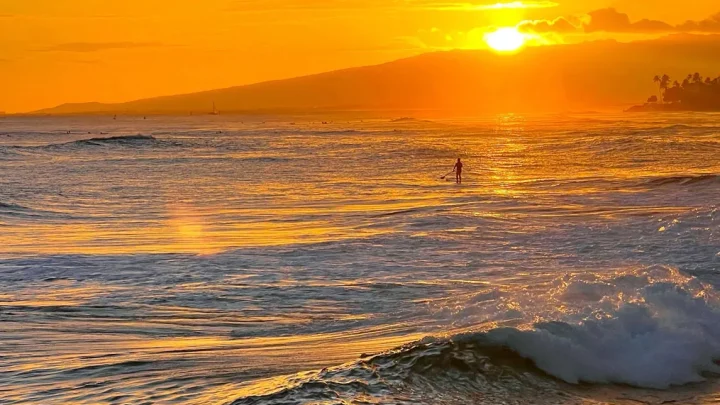
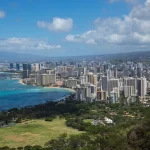
Image source: Web (Bing) / pexels.com (Web image (fair-use with source credit))
Quick Answer
🌺 Local Island Guide Quick Answer
Roughly 995,000 to 1,000,000 permanent residents live on Oahu. The island holds about 70 percent of Hawaii's total population. On any given day, visitors add over 100,000 people to that total.
Oahu covers only 597 square miles. That makes it by far the most densely populated Hawaiian island.
Current Population of Oahu: The Numbers at a Glance
When looking at the population of Oahu, it helps to understand how local government boundaries work. The entire island of Oahu is governed as a single municipality known as the City and County of Honolulu.
When official records list the population of Honolulu County, they are counting every community on Oahu. That includes rural surf towns on the North Shore, suburban neighborhoods in Central Oahu, and high-rise districts in town.
+------------------------------------+-----------------------+
| Population Metric                  | Count / Benchmark     |
+------------------------------------+-----------------------+
| Official Resident Population       | ~995,000 - 1,005,000  |
| Share of Hawaii's Total Population | ~69% to 70%           |
| Total Land Area                    | 597 square miles      |
| Resident Population Density        | ~1,670 people / sq mi |
| Average Daily Visitor Census       | ~105,000 - 120,000    |
| Total De Facto Island Population   | ~1.10 - 1.12 million  |
+------------------------------------+-----------------------+
Resident Headcount vs. De Facto Island Population
The official resident count does not tell the full story of who is on the island each day. Demographers track two distinct metrics: the resident population and the de facto population.
The de facto population measures everyone physically present on Oahu at a specific moment. This includes permanent locals, active-duty military, temporary seasonal workers, and tourists staying in hotels or vacation rentals.
Data tracked by the Hawaii Department of Business, Economic Development & Tourism shows that daily visitor counts consistently push the actual number of people on the island past 1.1 million. This daily surge places extra demand on roads, beaches, water systems, and emergency services.
How Oahu Compares to the Rest of Hawaii
Hawaii consists of eight major islands, but population distribution is heavily weighted toward Oahu. While Hawaii Island (the Big Island) has nearly seven times more land mass, it holds only a fraction of the people.
+------------------+---------------------+-------------------+
| Island / County  | Resident Population | Share of State    |
+------------------+---------------------+-------------------+
| Oahu (Honolulu)  | ~1,000,000          | 69.4%             |
| Hawaii County    | ~205,000            | 14.2%             |
| Maui County      | ~165,000            | 11.5%             |
| Kauai County     | ~73,000             | 4.9%              |
+------------------+---------------------+-------------------+
Nearly seven out of every ten Hawaii residents live on Oahu. This concentration makes Oahu the undisputed center for business, specialized healthcare, and state government.
Oahu’s Regional Breakdown: Where People Actually Live
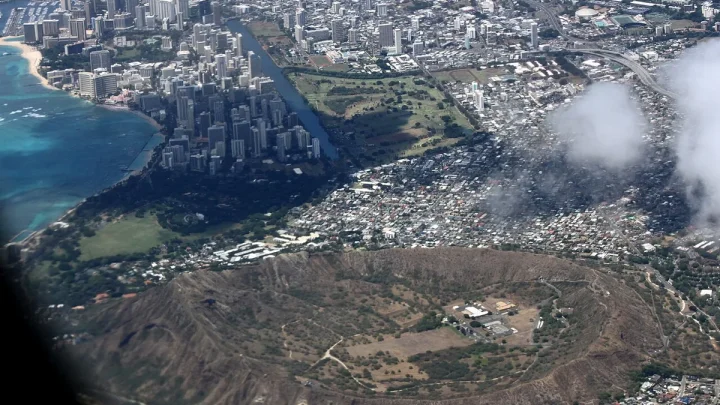
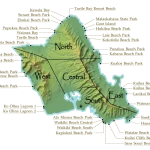
Oahu is split into distinct geographic regions separated by two mountain ranges: the Koʻolau Range in the east and the Waiʻanae Range in the west. Population density varies drastically depending on which side of the mountains you visit.
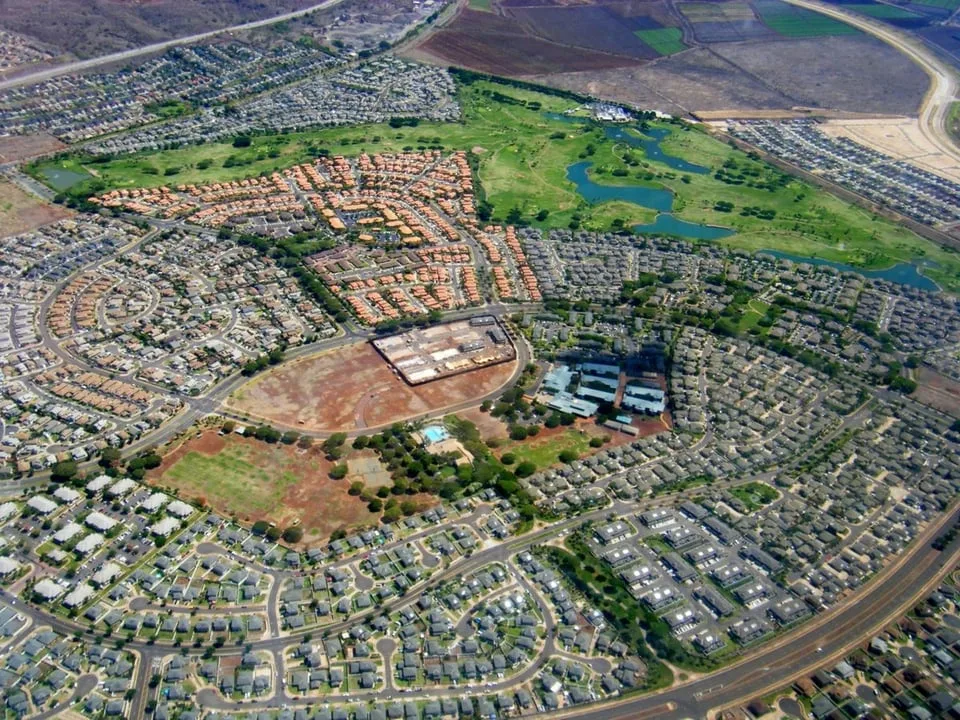
Image source: Bing (Web (fair-use with source credit))
Urban Honolulu: The High-Density Core
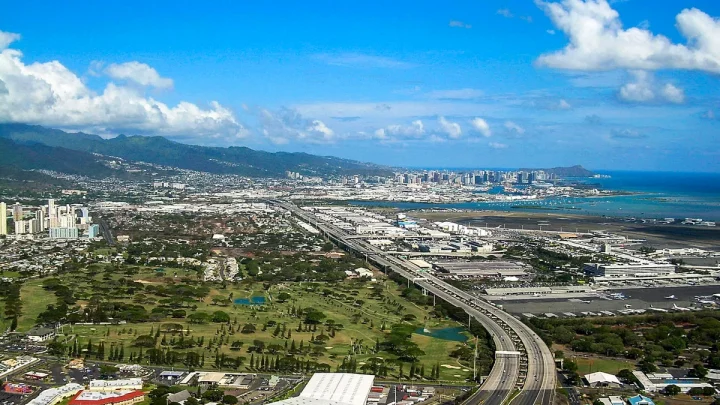
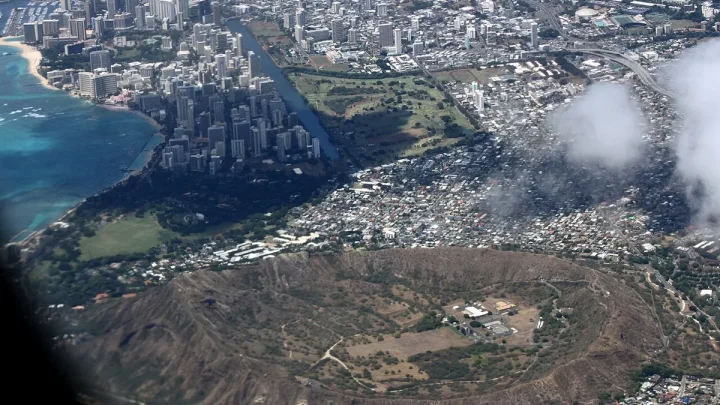
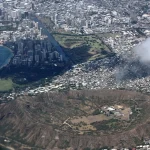
Urban Honolulu stretches along the south shore from East Honolulu through Downtown, Kakaʻako, Waikiki, and Kalihi. This urban corridor contains roughly 350,000 residents.
High-rise residential towers dominate areas like Kakaʻako and the Ala Moana corridor. This region offers the highest walkability, the dense job market, and the most compact living spaces on the island.
Central Oahu and the Leeward Coast: The Suburban Expansion
Central Oahu includes planned suburban communities such as Mililani, Pearl City, and Aiea. These neighborhoods house tens of thousands of families who commute south toward Pearl Harbor and downtown Honolulu.
Further west along the Leeward Coast lies the Ewa plain and Kapolei. Kapolei is officially designated as Oahu's "Second City." It has seen massive residential expansion over the past two decades, offering newer single-family housing subdivisions and modern shopping centers.
Windward Oahu and the North Shore: Preserving the Rural Feel
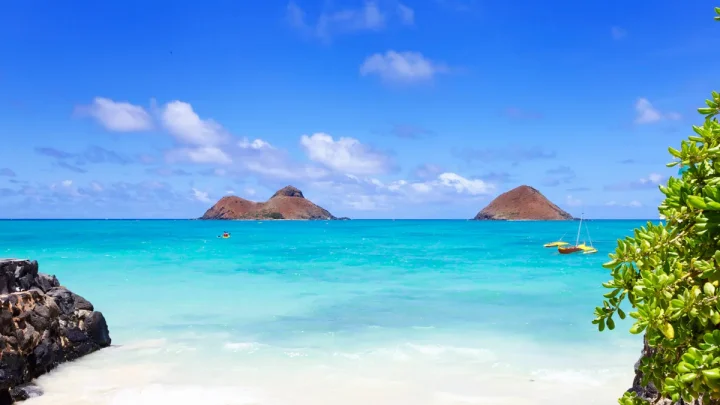
Windward Oahu sits on the eastern side of the Koʻolau Mountains and includes Kailua, Kaneohe, and Waimānalo. While Kaneohe and Kailua have sizable suburban populations, strict zoning prevents high-rise development.
The North Shore remains the most rural district on Oahu. Towns like Haleʻiwa and Pupukea feature low-density residential zoning, agricultural lands, and protected open spaces. Fewer than 25,000 permanent residents live along this coastal stretch.
Military Presence on Oahu: Counting the Service Community
The armed forces represent a major demographic segment on Oahu. Due to its strategic Pacific location, the island hosts major installations for every branch of the United States military.
Active-Duty Numbers and Base Populations
Oahu is home to roughly 40,000 to 45,000 active-duty service members. When you include military dependents and civilian defense personnel, the defense community accounts for nearly 10 percent of the island's total population.
Major military installations across the island include:
- Joint Base Pearl Harbor-Hickam (JBPHH): Located in south-central Oahu, housing thousands of Navy and Air Force personnel.
- Schofield Barracks and Wheeler Army Airfield: Located in Central Oahu near Wahiawā, home to the 25th Infantry Division.
- Marine Corps Base Hawaii (MCBH): Situated on the Mokapu Peninsula on the Windward side.
- Coast Guard Base Honolulu: Centered near downtown Honolulu's harbor district.
How the Armed Forces Influence Local Demographics
The military community brings a steady rotation of residents to Oahu. Most service members and their families live on the island for three-year tours before relocating.
This rotational flow significantly impacts local rental housing, school enrollment numbers, and consumer retail spending. It also gives Oahu a slightly younger median age compared to neighbor islands like Kauai or Hawaii County.
Oahu vs. Neighbor Islands: A Direct Demographic Comparison
Living on Oahu feels completely different from living on Maui, Kauai, or the Big Island. The sheer volume of people changes everything from daily errands to public infrastructure.
Population, Density, and Land Area by Island
Oahu packs roughly one million people into 597 square miles. By comparison, the Big Island has roughly 200,000 residents spread across more than 4,000 square miles.
+---------------+-------------------+----------------+----------------------+
| Island        | Land Area (Sq Mi) | Population     | Density (People/Sq M)|
+---------------+-------------------+----------------+----------------------+
| Oahu          | 597               | ~1,000,000     | ~1,675               |
| Maui          | 727               | ~155,000       | ~213                 |
| Hawaii Island | 4,028             | ~205,000       | ~51                  |
| Kauai         | 552               | ~73,000        | ~132                 |
| Molokai       | 260               | ~7,300         | ~28                  |
| Lanai         | 141               | ~3,100         | ~22                  |
+---------------+-------------------+----------------+----------------------+
On neighbor islands, two-lane highways and uncrowded country roads are standard. Oahu features multi-lane interstate freeways (H-1, H-2, and H-3) designed to move heavy volumes of daily commuters.
Why 70% of Hawaii's Population Gathers on One Island
Oahu's nickname is "The Gathering Place." Historically and economically, the title fits.
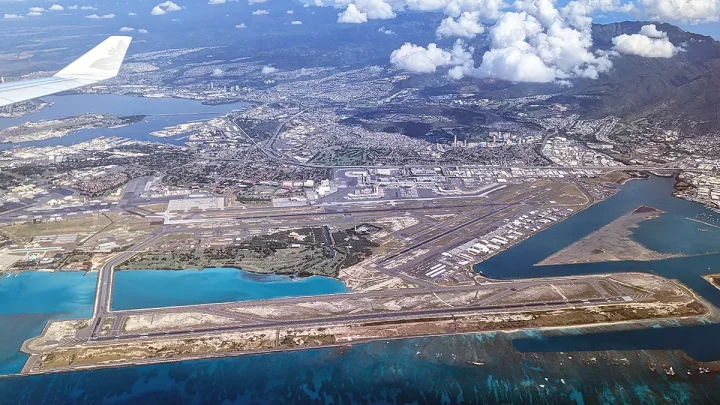
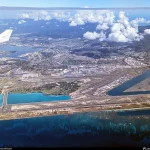
Honolulu Harbor and Daniel K. Inouye International Airport serve as the primary shipping and transit gateways for the entire state. Goods arriving in Hawaii almost always land on Oahu first before being barged to neighbor islands.
Oahu also houses the state's major specialized hospitals, research institutions, and universities. Residents on outer islands frequently fly to Oahu for specialized medical treatments, higher education, and professional services.
Shifting Numbers: Migration, Housing Costs, and Population Trends
Oahu's population has plateaued and experienced minor declines in recent years. While the island's population grew steadily throughout the late 20th century, modern economic factors have shifted that trajectory.
The Outmigration Trend: Moving to the US Mainland
The cost of living remains the primary driver of population shifts on Oahu. High home prices, expensive rents, and elevated grocery costs have led many local families to move to the continental United States.
Popular relocation destinations for former Oahu residents include Nevada, Texas, California, and Washington. This sustained outmigration has created a significant Hawaiian diaspora across the mainland.
Natural Growth vs. Net Migration Losses
Demographic data from recent state economic reports reveals two opposing forces shaping Oahu:
- Natural Increase: Births on Oahu still regularly outpace local deaths each year.
- Net Domestic Outmigration: The number of residents moving to the US mainland exceeds the number of mainlanders moving in.
Because net outmigration has slightly exceeded natural growth in recent tracking periods, Oahu's resident base has remained essentially flat near the one-million mark rather than expanding rapidly.
Daily Reality: How Population Density Shapes Daily Life on Oahu
Packing one million permanent residents alongside tens of thousands of daily visitors onto a single island creates unique logistical challenges. You feel Oahu's population density most clearly during morning and evening rush hours along the southern corridor.
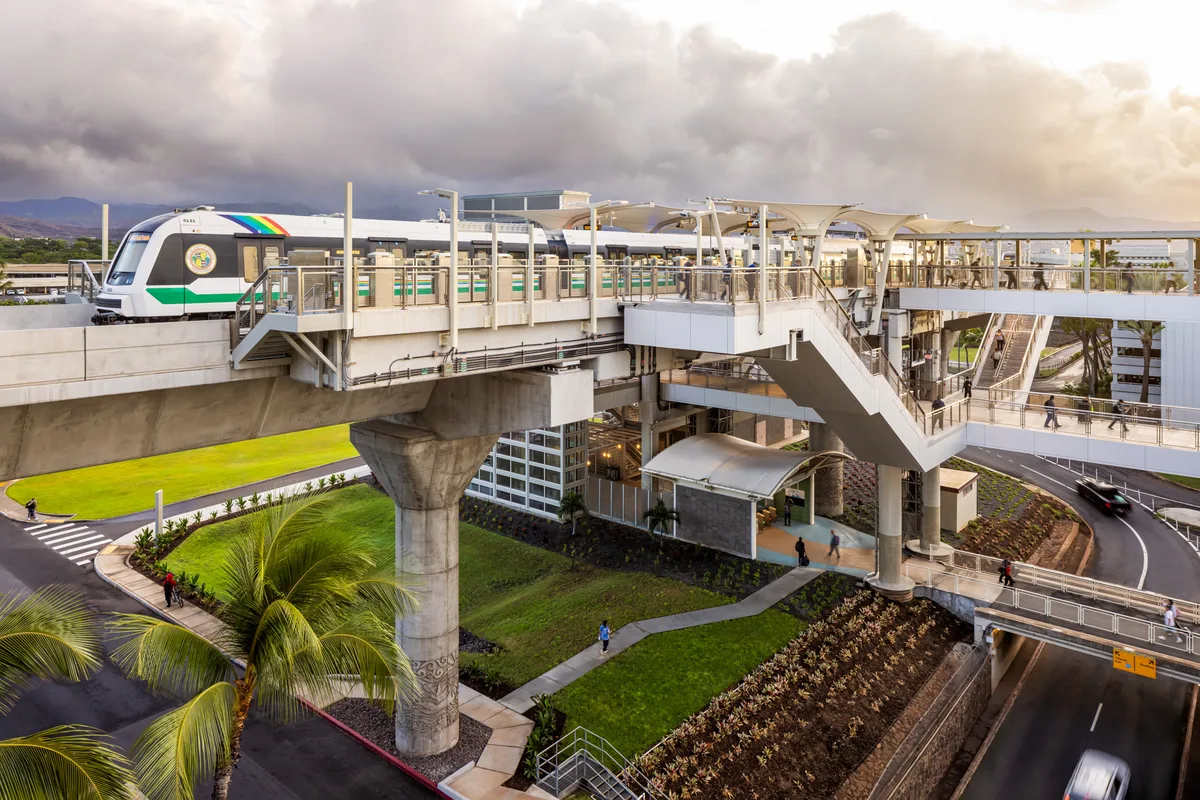
Image source: Bing (Web (fair-use with source credit))
Infrastructure, Commute Times, and Public Transit
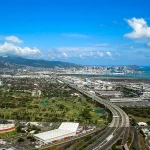
Most jobs are concentrated in Urban Honolulu, while much of the newer housing sits in West Oahu. This setup creates heavy directional traffic on the Interstate H-1 and H-2 corridors every weekday.
To help manage this congestion, the city built Skyline, Hawaii's first elevated light-rail system. The rail connects fast-growing residential areas like East Kapolei to key employment centers, easing the burden on island roadways.
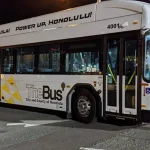
The island also relies heavily on TheBus, Honolulu's extensive countywide public transit system. High ridership numbers make it one of the most heavily used municipal bus transit systems per capita in the United States.
The Impact of 100,000+ Daily Visitors on Local Infrastructure
Tourists do not just stay in Waikiki hotels. They rent cars, drive to North Shore beaches, hike Windward trails, and shop at local grocery stores.
This steady influx means island utilities, water supplies, and park maintenance crews must support over 1.1 million people daily. Managing this balance between resident quality of life and high-volume tourism remains an ongoing priority for local planners.
Frequently Asked Questions About Oahu's Population
Is Oahu the most populated island in Hawaii?
Yes, Oahu is by far the most populated island in Hawaii. It holds roughly 1,000,000 of the state's 1.44 million total residents. That means about 70 percent of Hawaii's entire population lives on Oahu, even though the island makes up less than ten percent of the state's total land area.
Does the population count include tourists in Waikiki?
No, the official resident count of roughly 1,000,000 includes only permanent residents and stationed military personnel. However, demographers track a separate de facto population figure. This metric includes the average 100,000 to 120,000 tourists present on the island on any given day, pushing the daily total over 1.1 million.
What is the difference between Honolulu and Oahu?
Oahu is the physical island, while the City and County of Honolulu is the official government entity. In Hawaii, there are no separate city or municipal governments. The City and County of Honolulu encompasses the entire island of Oahu, meaning rural towns like Haleʻiwa and urban areas like Waikiki share the same county jurisdiction.
Why is Oahu called "The Gathering Place"?
Oahu earned the traditional moniker "The Gathering Place" because it historically served as a central meeting hub for the Hawaiian Islands. Today, the name remains accurate. The island serves as Hawaii's primary economic engine, government seat, international travel gateway, and commercial trade center.
🎒 Field-Tested Gear: Hawaii Vacation Planning & Daypack Essentials
Sudden tropical mountain showers and high-humidity hikes require versatile, lightweight packing essentials tested for Hawaii’s climate:
- Ultra-Light Packable Travel Daypack & Rain Shell:Check Lightweight Packable Daypacks on Amazon →
- Insulated Stainless Steel Travel Water Bottle:Check Insulated Island Travel Bottles on Amazon →
*FTC Disclosure: As an Amazon Associate, Hawaii Travel Bureau earns from qualifying purchases. Learn more about our field-tested travel research methodology.*
🌺 Related Oahu Vacation Planning & Seasonal Guides:

Similar Posts