Is It Safe to Travel to Oahu? What You Need to Know
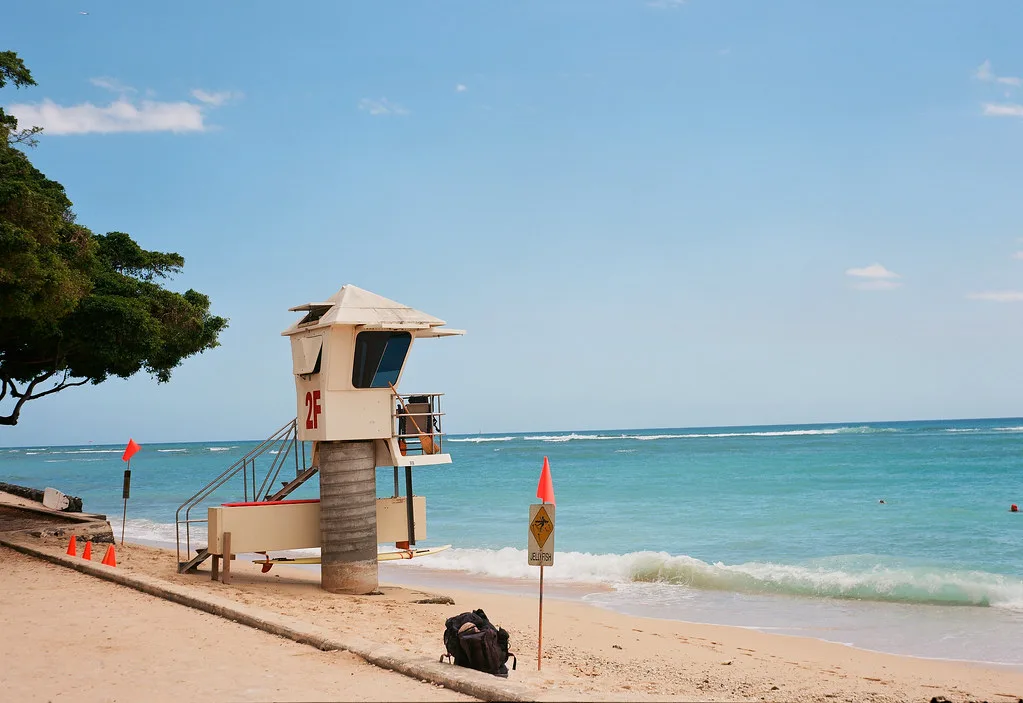
Planning an island getaway brings up valid concerns, and you might wonder: is it safe to travel to oahu? The short answer is yes. Oahu remains one of the safest travel destinations in the United States for solo travelers, couples, and families alike.
According to data from the Honolulu Police Department and federal crime reports, violent crime rates on Oahu sit significantly lower than in most mainland metropolitan areas of comparable size. The island has modern medical infrastructure, well-patrolled resort zones, and highly trained ocean rescue teams. However, staying secure requires understanding specific local risks, from shoreline breaks to vehicle break-ins.
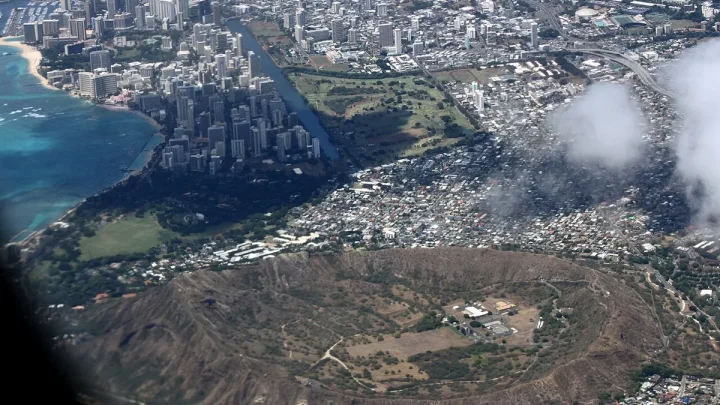
Image source: Bing (Web (fair-use with source credit))
Quick Answer
🌺 Local Island Guide Quick Answer
Yes, it is safe to travel to oahu for most vacationers. Violent crime rates stay well below the national average across the island. Property crime and car break-ins represent the primary urban nuisance for tourists.
Powerful ocean shorebreaks and steep mountain ridges pose the greatest physical hazards. Practicing standard travel awareness keeps your Hawaiian vacation secure.
The Real Story on Oahu Safety: Quick Verdict and What the Data Shows
Oahu is statistically a very secure place to visit. The island hosts millions of travelers each year without major incident. As of 2026, violent crime across Honolulu and the outer towns remains uncommon in standard tourist corridors.
The island operates under strict state gun laws, which helps maintain a low rate of violent street crime. If a medical emergency happens, Oahu features top-tier facilities, including The Queen's Medical Center, the only Level 1 Trauma Center in the Pacific.
The main risks tourists face on Oahu are environmental hazards and opportunistic property crime. While you do not need to worry about widespread violence, you must respect the raw power of the Pacific Ocean and guard your personal belongings at scenic stops.
| Risk Category | Threat Level | Primary Concerns | Best Prevention |
|---|---|---|---|
| Violent Crime | Low | Late-night bar scuffles, rare muggings | Stay in well-lit areas after dark |
| Property Crime | Moderate to High | Rental car smash-and-grabs, beach theft | Leave nothing inside parked vehicles |
| Ocean Hazards | High | Shorebreaks, rip currents, big swells | Swim near active lifeguard towers |
| Hiking Hazards | Moderate to High | Muddy ridges, crumbling rock, flash floods | Stick to state-approved trails |
Urban Safety and Crime: Waikiki, Downtown, and Rental Car Smash-and-Grabs
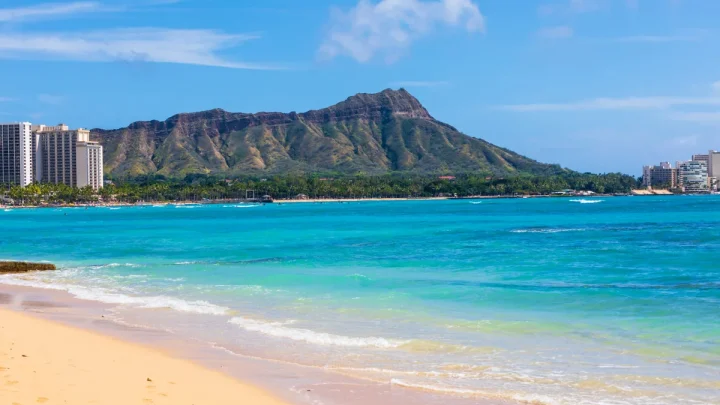
Urban Honolulu is vibrant and generally safe to explore on foot. Waikiki is heavily patrolled by bicycle and foot officers from the Honolulu Police Department. You can comfortably walk along Kalakaua Avenue and Kuhio Avenue during evening hours, provided you stay alert to your surroundings.
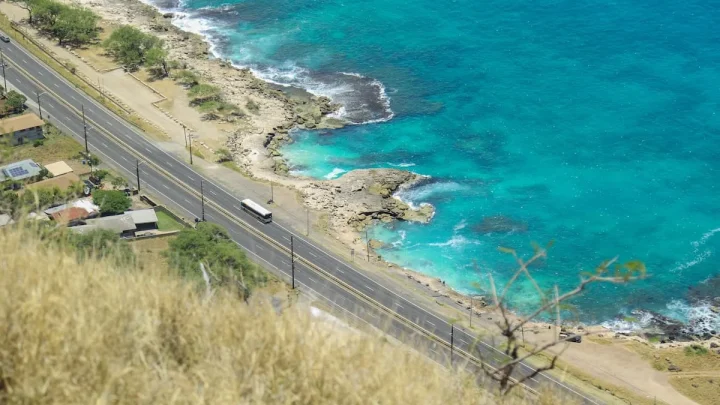
Petty theft is the most common crime affecting visitors on Oahu. Thieves specifically target rental cars at scenic lookouts, beach parks, and trailheads. Popular spots like the Nuuanu Pali Lookout, Halona Blowhole, and Lanikai pillbox parking areas see frequent smash-and-grab incidents.
Protect yourself by adopting a strict "clean-cab" policy. Never leave luggage, backpacks, sunglasses, or shopping bags visible on seats or floorboards. Put items in the trunk before you arrive at your destination, or better yet, leave all valuables in your hotel room safe.
Chinatown offers incredible dining and culture by day, but requires caution late at night. The neighborhood has a visible unhoused population, and certain blocks near River Street become desolate after business hours. Stick to brightly lit streets and use rideshare apps when returning to your hotel late in the evening.
Ocean Hazards: Rogue Waves, Severe Shorebreaks, and Seasonal Swells
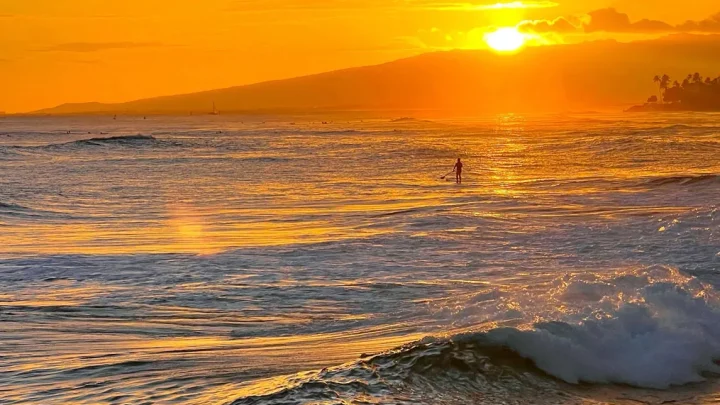
The ocean presents the greatest day-to-day physical danger on Oahu. Many visitors underestimate the strength of Hawaiian waters, assuming every beach behaves like a calm swimming pool.
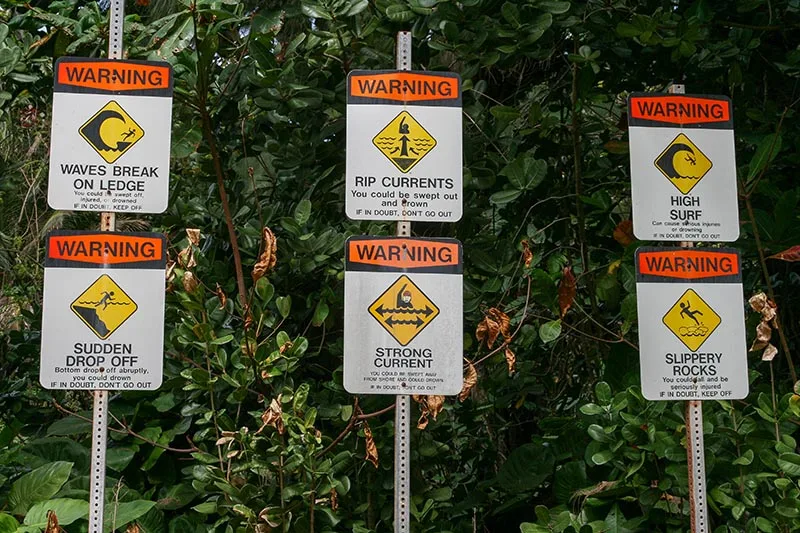
Image source: Web (Bing) / oceansafety.hawaii.gov (Web image (fair-use with source credit))
Shorebreak waves break directly onto dry sand with immense power. Sandy Beach on the East Shore is nicknamed "Broke Neck Beach" due to the high frequency of cervical spine injuries among bodyboarders and swimmers. Makapuu Beach and Waimea Bay also feature punishing shorebreaks that can slam swimmers into the seabed.
Ocean conditions change dramatically based on the season. Winter months bring massive swells to the North Shore, creating waves that reach 30 to 40 feet on wave faces. These winter breaks are strictly for world-class surfers, not recreational swimmers.
Summer shifts the larger swells to the South Shore, creating rougher water around Waikiki and Ala Moana.
Always check current surf alerts and warnings from the Honolulu Ocean Safety division before heading into the water. If a beach has a red warning flag posted, stay on the sand. Talk directly to lifeguards about hidden rip currents, and never turn your back on the ocean while standing on wet lava rock ledges.
Box jellyfish appear predictably along South Shore beaches roughly 8 to 10 days after a full moon. Warning signs go up when they drift near shore, so heed those alerts to avoid painful stings.
Hiking and Trail Safety: Ridge Drops, Flash Floods, and Treacherous Basalt
Oahu offers world-class hiking, but its volcanic terrain is deceptively dangerous. Trails consist of weathered basalt rock, red dirt, and clay that turn slick as ice after rain.
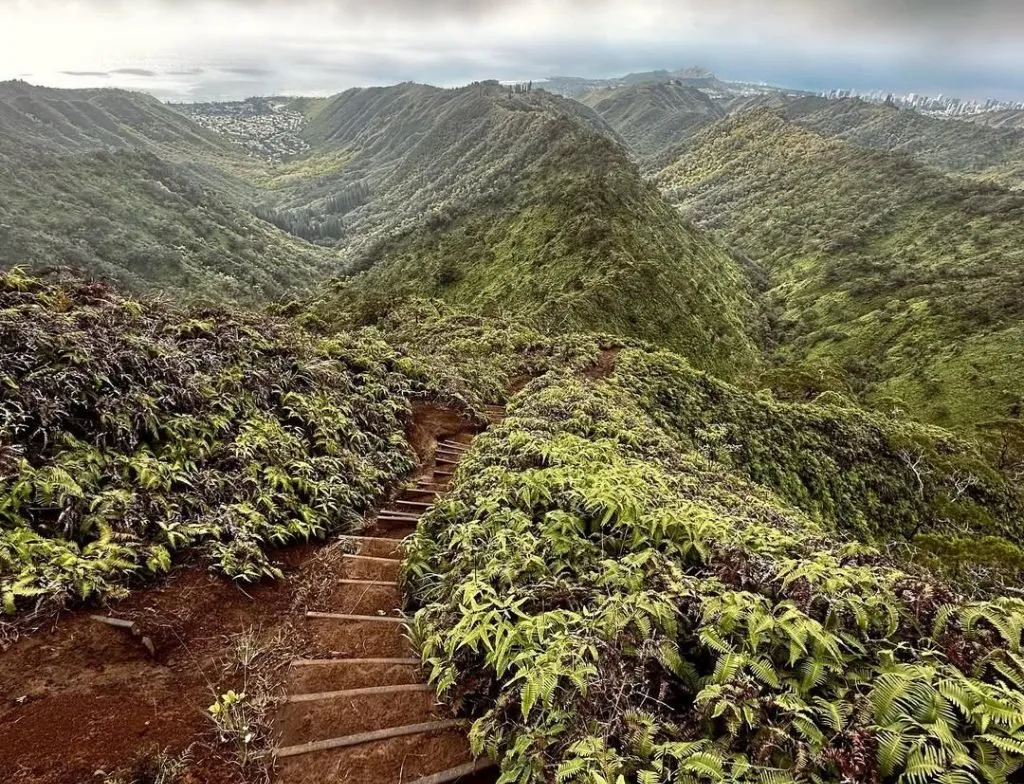
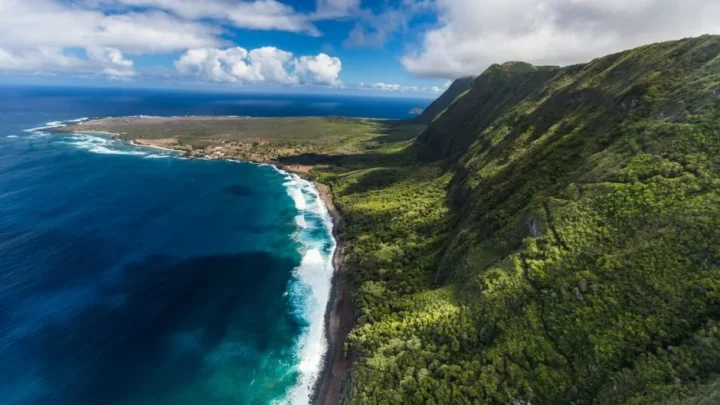
Image source: Web (Bing) / thetraveltute.com (Web image (fair-use with source credit))
Ridge trails feature steep drop-offs on both sides with narrow footpaths. Vegetation often conceals sheer vertical cliffs, so leaning on trailside bushes can result in catastrophic falls. Stick exclusively to sanctioned paths managed by the Hawaii DLNR Na Ala Hele trail system.
Illegal social trails, including closed sections of the Haiku Stairs, carry extreme hazards along with steep fines. Hawaii law allows authorities to bill rescued hikers for the cost of emergency helicopter extractions if they entered closed or prohibited lands.
Valley and waterfall trails present severe flash flood risks. Rain falling miles away in the Koʻolau mountains can rush down stream beds in minutes, turning gentle trickles into violent torrents of brown water. Turn back immediately if you notice stream water rising, turning muddy, or carrying fresh debris.
Neighborhood Safety Breakdown: Where to Exercise Extra Caution
Oahu is made up of diverse communities, each with its own distinct rhythm and safety profile. Knowing what to expect in each region helps you explore with confidence.
Waikiki and Ala Moana
This is the main tourist district and one of the safest areas on the island. Thousands of pedestrians fill the sidewalks until midnight. The primary concerns here are pickpocketing in crowded areas, overpriced bar scams, and occasional late-night street altercations near closing bars.
North Shore (Haleiwa, Sunset Beach, Waimea)
The North Shore is a laid-back, rural community with very low violent crime. Your main safety concerns here are traffic bottlenecks along Kamehameha Highway, strong ocean currents, and car break-ins at remote beach parking spots.
Leeward Coast (Waianae, Makaha, Nanakuli)
The West Side boasts stunning beaches and rugged landscapes. It is a tight-knit residential area with higher poverty rates and fewer tourist amenities. While welcoming to respectful visitors, property theft is more prevalent here, so keep cars empty and show respect for local residential spaces.
Windward Coast (Kailua, Kaneohe, Waimanalo)
Kailua and Lanikai are quiet, affluent residential beach towns with minimal crime. Parking is strictly enforced in these neighborhoods, and thefts from cars parked near beach access paths remain the only recurring issue.
The Essential Safety Playbook: Rules for Rental Cars, Valuables, and Wildlife
A great vacation comes down to simple daily habits. Staying safe on Oahu does not require complicated routines, just consistent common sense.
Follow these proven field rules across the island:
- Keep your rental car cabin completely clear. Never leave phone chargers, sunglasses, loose change, or beach bags on the seats.
- Leave the glove box and center console unlocked and open when parked at trailheads. This visual cue shows thieves that the car contains nothing of value.
- Use a waterproof phone pouch or dry bag that you take with you into the water. Never leave phones or car keys unattended under a beach towel.
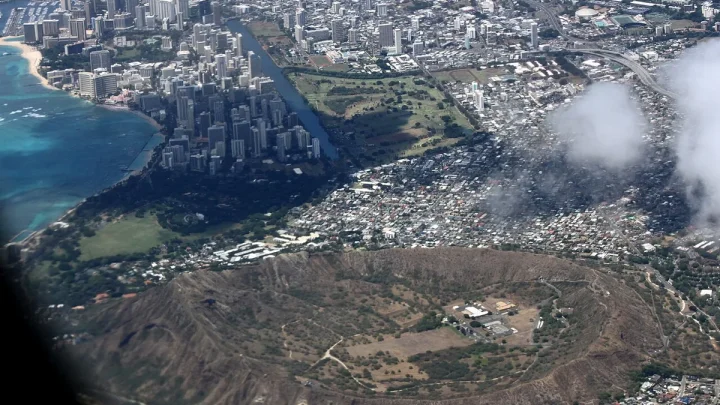
- Pack at least two liters of water per person for ridge hikes like Koko Crater or Diamond Head. The combination of heat and steep elevation leads to rapid dehydration.
- Give marine life plenty of space. Federal and state laws require staying at least 10 feet away from Hawaiian green sea turtles (honu) and 50 feet away from Hawaiian monk seals.
- Apply mineral sunscreens with zinc oxide or titanium dioxide only. Hawaii Act 104 bans sunscreens with oxybenzone and octinoxate to protect coral reefs from chemical damage.
Frequently Asked Questions About Visiting Oahu
Is Oahu safe for solo female travelers?
Yes, Oahu is one of the safest destinations in the country for solo female travelers. Standard precautions apply: stay on well-lit streets in Waikiki after dark, avoid isolated beaches late at night, and lock your rental car. The local hospitality and extensive public transit make solo travel straightforward.
Is Waikiki safe to walk around at night?
Waikiki is very safe for late-night walking along major streets like Kalakaua and Kuhio Avenues. The area remains busy with visitors and police presence well past midnight. You should avoid dark alleyways, keep a hand on your belongings, and bypass unlit stretches of beach sand after hours.
What is the most dangerous beach on Oahu?
Sandy Beach on the East Shore is statistically the most hazardous beach for bodily injuries. Its heavy, plunging shorebreak dumps directly onto shallow sand, causing frequent neck, back, and shoulder trauma. Only experienced local bodyboarders should enter the water there.
Are car break-ins common in Oahu?
Yes, vehicle break-ins are the most frequent property crime affecting visitors on Oahu. Thieves target rental cars at remote trailheads, beach parks, and scenic lookouts. The best prevention is leaving the interior completely empty so there is no reason to force entry.
Is tap water safe to drink on Oahu?
Yes, Oahu tap water is completely safe, clean, and delicious to drink. The island water supply filters naturally through volcanic basalt rock aquifers over decades. You can fill reusable bottles straight from the hotel faucet or public water fountains without any filtration needed.
Final Verdict: Balancing Island Awareness With a Safe Vacation
Oahu remains an exceptionally safe, welcoming, and rewarding place to visit. Violent crime is rare, emergency medical infrastructure is world-class, and public beaches feature professional lifeguard teams. Your vacation will run smoothly as long as you respect the environment.
The biggest hazards are ocean swells, steep muddy trails, and unattended valuables in rental cars. Check surf forecasts each morning, swim at guarded beaches, keep your vehicle clear of bags, and respect posted trail closures. By combining situational awareness with basic island etiquette, you can relax and fully enjoy your time in Hawaii.
🎒 Field-Tested Gear: Hawaii Vacation Planning & Daypack Essentials
Sudden tropical mountain showers and high-humidity hikes require versatile, lightweight packing essentials tested for Hawaii’s climate:
- Ultra-Light Packable Travel Daypack & Rain Shell:Check Lightweight Packable Daypacks on Amazon →
- Insulated Stainless Steel Travel Water Bottle:Check Insulated Island Travel Bottles on Amazon →
*FTC Disclosure: As an Amazon Associate, Hawaii Travel Bureau earns from qualifying purchases. Learn more about our field-tested travel research methodology.*
🌺 Related Oahu Vacation Planning & Seasonal Guides:

Similar Posts