Should You Cancel Your Trip to Oahu? Read This First
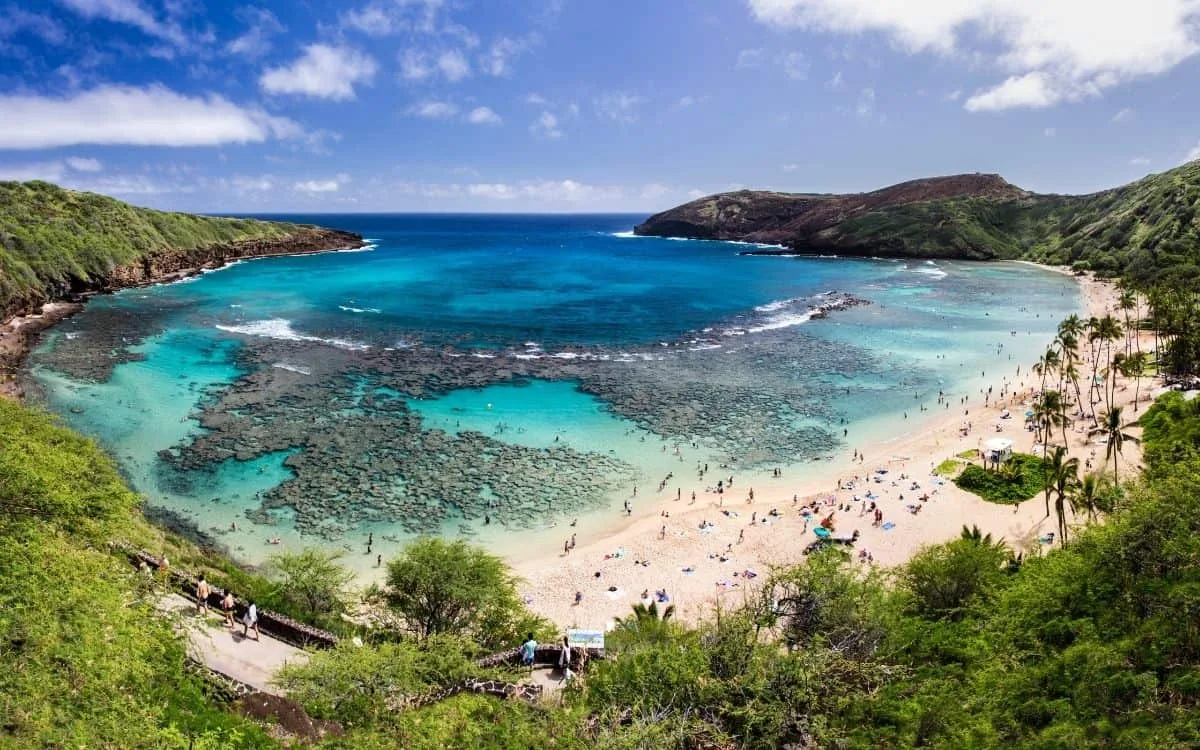
Staring at a ten-day forecast full of rain icons makes you wonder: should I cancel my trip to Oahu? Most travelers panic when they see stormy weather symbols or alarming social media headlines. The reality on the ground is usually far different from what a generic weather app suggests.
As of 2026, climate records show Honolulu averages less than 20 inches of rain per year, with most precipitation falling in short bursts overnight. Deciding whether to cancel your flight or keep your bags packed comes down to a few verifiable factors. Looking at local conditions helps you make the right call.
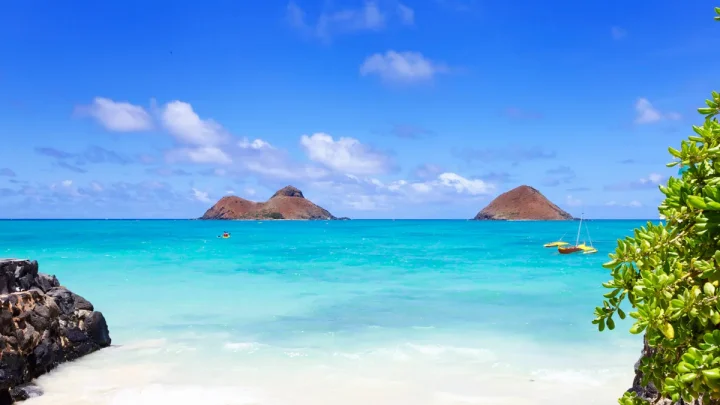
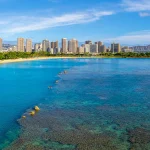
Image source: Bing (Web (fair-use with source credit))
Quick Answer
🌺 Local Island Guide Quick Answer
You should not cancel your trip to Oahu for standard rain forecasts. Rain on Oahu usually stays confined to mountain ridges and windward valleys. Cancel only for declared tropical storm warnings or major civil emergencies.
Reschedule if massive winter surf cancels your non-negotiable ocean tours. Most travelers can save their vacation by shifting their daily itinerary.
Key Decision Triggers: Weather, Swells, Budgets, and Local Context
Making an informed choice requires understanding how the island actually functions. Oahu is not a uniform block of weather. It is a diverse landscape shaped by volcanic mountain ranges and prevailing winds.
Microclimates and Forecast Traps
Standard phone apps pull data from airport stations or mountain sensors. If the trade winds blow moisture against the Koolau Range, your app shows an 80 percent chance of rain for the entire island. In reality, that rain rarely reaches Waikiki or the Leeward Coast.
Trade winds keep the island cool and push clouds quickly across the sky. Real trouble only arrives during a "Kona low." A Kona low reverses wind directions, pulling deep tropical moisture over the entire island for days at a time. The National Weather Service tracks these systems days in advance.
If trade winds are blowing normally, do not cancel over passing showers.
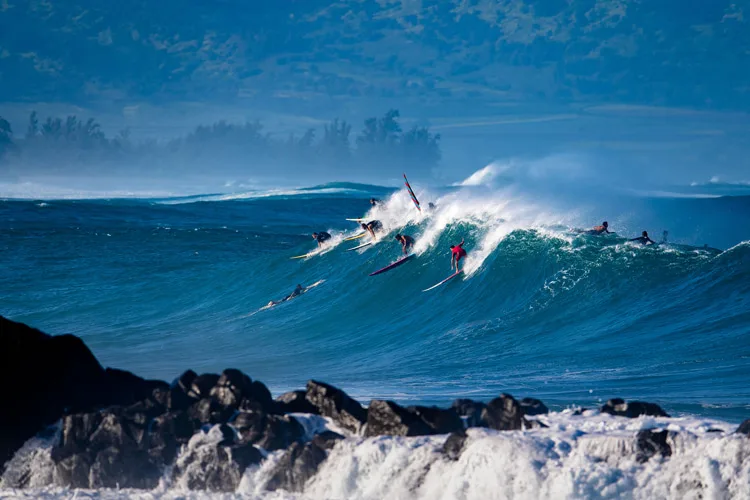
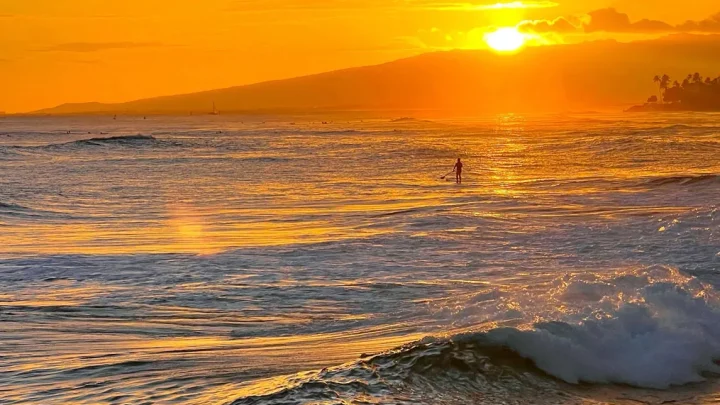
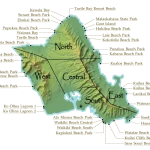
Image source: Web (Bing) / surfertoday.com (Web image (fair-use with source credit))
Ocean Conditions and Seasonal Swell Shifts
Ocean safety changes dramatically by season. Winter swells from November to March bring 15 to 30 foot waves to the North Shore. These conditions create spectacular viewing, but they shut down swimming and snorkeling at spots like Shark's Cove and Waimea Bay.
Summer brings calmer northern waters but larger swells to the South Shore. If your entire vacation depends on toddler-friendly ocean wading or amateur snorkeling, traveling to the wrong coast in peak swell season will disappoint you.
Personal Budget Strain and Sudden Hidden Costs
Oahu is expensive, and surprise expenses mount quickly. Resort fees often add $40 to $60 per night. Overnight hotel parking frequently exceeds $50 daily.
If your financial margin is already razor thin, unexpected charges can turn a dream vacation into a stressful ordeal. Evaluating your total trip ledger before the cancellation deadline is a valid reason to pause.
| Decision Factor | Keep Your Trip | Consider Canceling / Rescheduling |
|---|---|---|
| Forecasted Rain | Isolated trade showers (20–40% daily) | Prolonged Kona low or named tropical system |
| Ocean Swell | Strong waves on one coast; calm waters elsewhere | Island-wide brown water advisory or high surf warnings |
| Regional Base | Staying in Waikiki, Kapolei, or Ko Olina | Locked into an unchangeable beach rental in a flooded valley |
| Flight Flexibility | Main cabin fare with free date changes | Basic economy ticket with strict forfeit terms |
The Oahu Trip Decision Matrix: Step-by-Step Scenarios
Use these four real-world scenarios to assess your situation and take immediate action.
Scenario A: Your Weather App Shows Rain for Your Entire Stay
- Condition: Your forecast shows rain every single day in Honolulu.
- Assessment: This is normal trade-wind weather. Showers fall for ten minutes in the early morning, followed by bright sun.
- Decision: Keep your trip. Pack a lightweight rain shell and check radar maps daily instead of relying on broad percentages.
Scenario B: Severe Weather Alerts or Brown Water Advisories Are Active
- Condition: The Hawaii Department of Health issues a brown water advisory following torrential storms.
- Assessment: Heavy runoff carries bacteria and debris into coastal waters, making ocean swimming unsafe for several days.
- Decision: If ocean recreation is your sole objective, call your airline to reschedule. If you enjoy hiking, dining, and cultural sites, proceed with a land-based itinerary.
Scenario C: Recent News from Neighbor Islands Has You Worried
- Condition: Wildfires, volcanic activity, or storms make headlines on Maui or the Big Island.
- Assessment: Oahu sits roughly 80 to 200 miles away from neighbor islands across open ocean channels.
- Decision: Keep your trip. Events on Maui or Hawaii Island do not impact Oahu's infrastructure, air quality, or tour operations under standard conditions.
Scenario D: Financial Pinches and Last-Minute Schedule Conflicts
- Condition: Unplanned financial pressure strikes before your non-refundable booking window closes.
- Assessment: Eating out, rental cars, and activity tickets cost substantially more on Oahu than on the US mainland.
- Decision: Cancel if you are within the 100 percent refund window. If non-refundable dates have passed, convert your bookings into future travel bank credits.
How to Pivot Your Itinerary Instead of Canceling Outright
You rarely need to scrap an entire vacation when conditions change. Pivoting your daily plan saves your investment while keeping your travel experience rewarding.
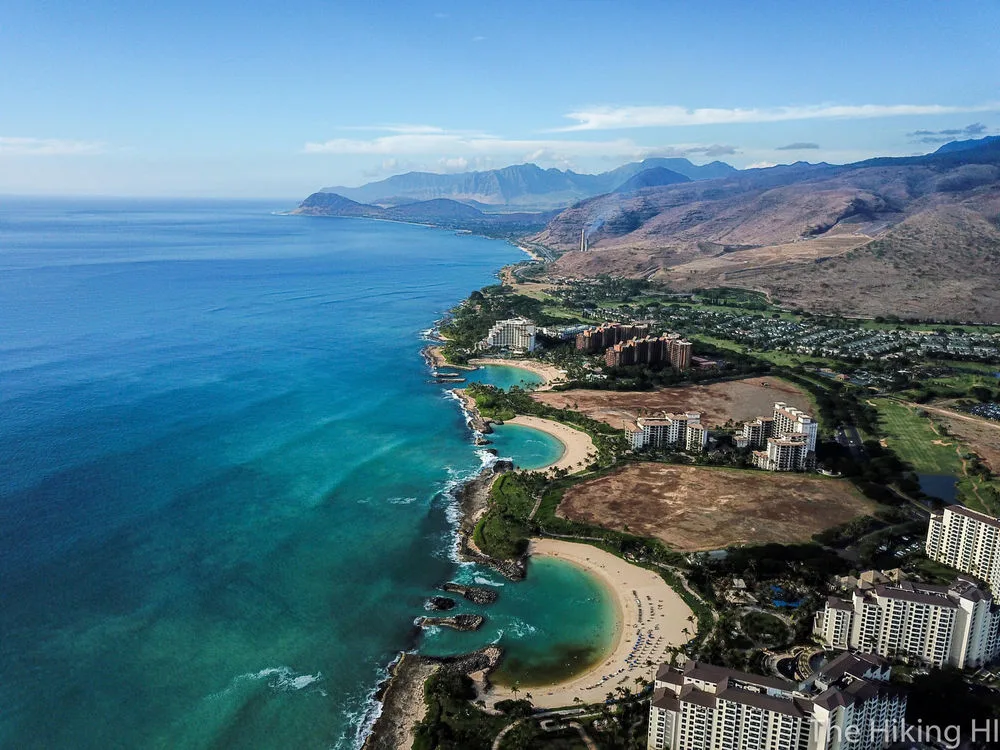
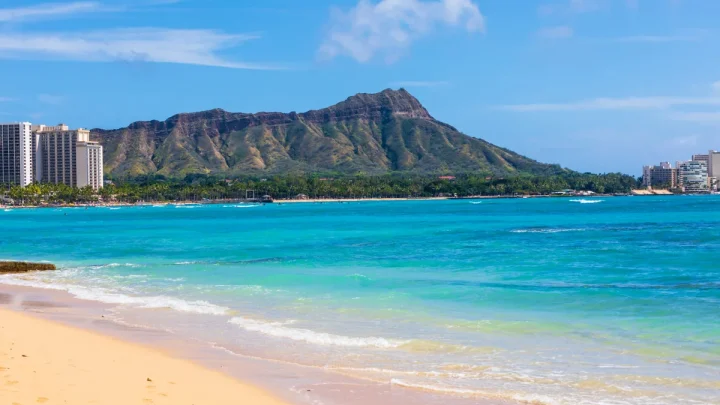
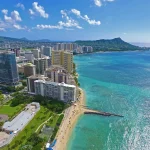
Image source: Web (Bing) / foodbrats.com (Web image (fair-use with source credit))
Chasing the Sun: Shifting from Windward to Leeward
If dark clouds cover the eastern Windward towns of Kailua and Kaneohe, drive west. The Leeward Coast, including Kapolei, Ko Olina, and Waianae, sits in the rain shadow of the Waianae Mountains. It receives only a fraction of the island's rainfall.
When the East Side is soaked, western beaches are usually bathed in bright sunshine.
Best Rainy-Day Alternatives Across Honolulu
When genuine island-wide rain hits, switch to indoor cultural landmarks:
- Bishop Museum: Explore millions of Hawaiian historical artifacts, royal heirlooms, and natural history exhibits.
- Iolani Palace: Tour the only official royal palace located on American soil.
- Honolulu Museum of Art: Walk through extensive Asian and Pacific art galleries in a peaceful setting.
- Honolulu Fish Auction: Watch commercial seafood trading in action during the early morning hours near downtown.
Adjusting Water Activities When North Shore Swells Hit
When winter swells close northern beaches, redirect your ocean activities south. Head to the sheltered lagoons of Ko Olina, Ala Moana Beach Park, or the protected swimming zones of Waikiki. You can still watch the world's best surfers tackle 25-foot waves from the safety of the sand at Banzai Pipeline.
The Financial Playbook: Handling Flights, Hotels, and Excursions
Before you cancel anything, audit your bookings to prevent unnecessary cash loss.
Airfare Rules, Travel Banks, and 24-Hour Windows
Under United States Department of Transportation rules, all flights touching US airports can be canceled for a full cash refund within 24 hours of booking, provided you booked at least seven days before departure.
For standard economy fares past the 24-hour mark, major US carriers no longer charge change fees. If you decide not to travel, cancel before departure to receive an airline flight credit valid for up to 12 months.
Navigating Hotel Cancellation Windows and Resort Fees
Standard hotel reservations allow penalty-free cancellation up to 48 or 72 hours before check-in. Vacation rentals often enforce stricter 30-day or 60-day deadlines. If you are past the cancellation cutoff due to an emergency, call the property directly.
Request a date shift rather than an outright cancellation. Most managers will move your reservation dates forward without assessing penalties.
Salvaging Car Rentals, Pearl Harbor Passes, and Tour Bookings
Car rentals booked through standard channels are almost always pay-at-counter, meaning you can cancel them instantly at zero cost. For excursions like Pearl Harbor or Kualoa Ranch:
- Direct vendor bookings: Many offer full refunds up to 24 hours in advance.
- Third-party booking platforms: Check voucher terms, as some offer credits rather than cash.
- National park reservations: Recreation.gov nominal fees ($1 to $2) are non-refundable, but cancellation frees up slots for other travelers.
Common Mistakes Travelers Make When Deciding to Cancel
The most frequent mistake is canceling based on an unverified five-day mobile phone forecast. Weather apps use automated computer models that fail to factor in Oahu's towering mountain ridges. When you cancel out of fear of a rainy icon, you often walk away from a trip that would have featured clear skies and sunshine.
Another costly error is failing to read fare rules before submitting cancellation requests online. Clicking "cancel" on a non-refundable ticket directly on a travel aggregator portal can forfeit the entire booking value. Calling the airline or hotel directly gives you a chance to request travel credits or date shifts.
Many visitors also assume that severe weather on a neighbor island affects Oahu. Oahu has its own power grid, emergency services, and weather patterns. Canceling an Oahu trip due to events on Maui or Hawaii Island creates unnecessary financial losses with zero safety benefit.
Finally, travelers often forget to check trail and beach conditions with local authorities before making drastic changes. The Department of Land and Natural Resources frequently reopens ridge trails quickly once morning showers clear. Making rash decisions without checking park status updates ruins perfectly good vacation days.
Frequently Asked Questions About Canceling an Oahu Vacation
Does an 80 percent rain forecast mean my Oahu trip will be ruined?
No, an 80 percent rain forecast rarely means total washouts on Oahu. It usually indicates brief morning or overnight showers along the mountain ridges. Coastal resort areas like Waikiki and Ko Olina often stay completely sunny during these periods.
Can I get a full refund if I cancel my Hawaii trip?
You can get a full refund if you cancel within 24 hours of booking under federal rules. Outside that window, refunds depend on your specific fare class and hotel policies. Most US airlines issue reusable flight credits rather than direct cash refunds.
How bad does weather have to be before canceling an Oahu trip?
You should consider canceling only for named tropical storms, hurricanes, or sustained Kona lows causing widespread flash flooding. Regular trade-wind showers pass quickly and do not warrant canceling flights or hotel stays.
Should I cancel my trip to Oahu if the North Shore has massive surf?
No, you do not need to cancel your entire trip due to large winter swells. Giant waves affect only the northern coast, while southern beaches like Waikiki remain sheltered. You can simply relocate your swimming and snorkeling activities to south or west shore spots.
What happens if a brown water advisory is issued for Oahu?
A brown water advisory means you should stay out of ocean waters to avoid bacteria and runoff debris. You can pivot your schedule toward hiking, museum visits, botanical gardens, and shopping until the water clears.
The 72-Hour Action Plan: Your Final Go/No-Go Checklist
When departure is three days away, stop guessing and follow a structured decision workflow.
- Check the official National Weather Service Honolulu radar: Look for slow-moving low-pressure systems. If you see standard trade-wind patterns, keep your flight booked.
- Audit your cancellation deadlines: Confirm the exact cutoff times for your hotel, rental car, and private tours. Cancel zero-penalty items first if you need more time to think.
- Inspect local beach advisories: Verify if your target swimming zones have water safety warnings posted by the Department of Health.
- Contact your lodging directly: If you must reschedule, ask the front desk manager to shift your dates forward instead of taking a cancellation loss.
- Make the final call at the 24-hour mark: If roads, parks, and flights are operating normally, pack your bags and go. Oahu has plenty of sunshine and sheltered spots waiting for you.
🎒 Field-Tested Gear: Hawaii Vacation Planning & Daypack Essentials
Sudden tropical mountain showers and high-humidity hikes require versatile, lightweight packing essentials tested for Hawaii’s climate:
- Ultra-Light Packable Travel Daypack & Rain Shell:Check Lightweight Packable Daypacks on Amazon →
- Insulated Stainless Steel Travel Water Bottle:Check Insulated Island Travel Bottles on Amazon →
*FTC Disclosure: As an Amazon Associate, Hawaii Travel Bureau earns from qualifying purchases. Learn more about our field-tested travel research methodology.*
🌺 Related Oahu Vacation Planning & Seasonal Guides:

Similar Posts