What Time Does the Sun Set in Oahu? Best Times & Spots
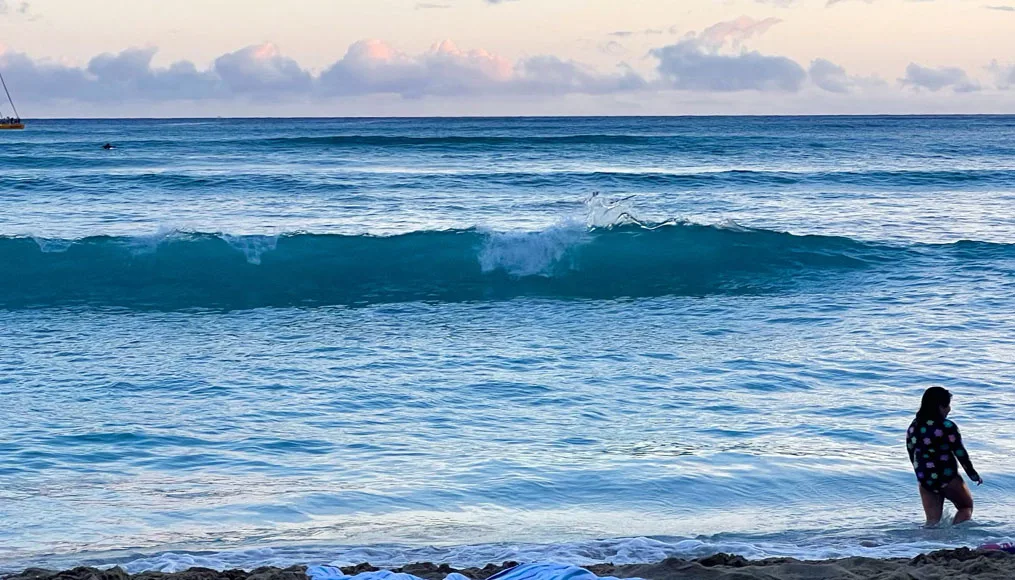
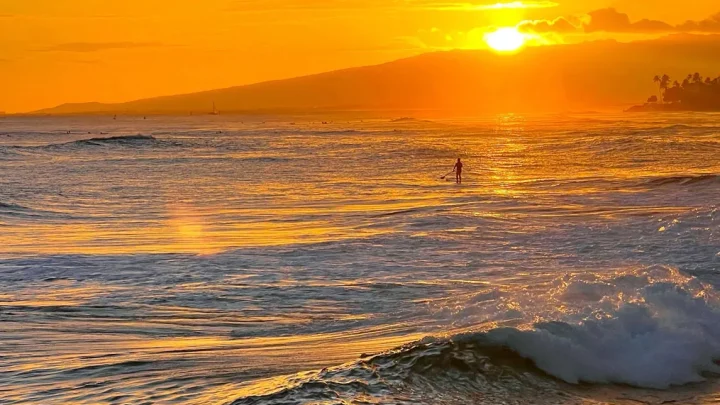
Planning an evening on the beach requires knowing exactly what time does the sun set in oahu. Because Hawaii sits close to the equator, the sunset time does not change as dramatically between seasons as it does on the mainland. You get consistent, reliable daylight throughout the entire year.
Official astronomical calculations from the National Oceanic and Atmospheric Administration show Oahu sunsets range between 5:48 PM in late autumn and 7:18 PM in midsummer. Hawaii Standard Time (HST) does not observe Daylight Saving Time, so the clock never jumps forward or backward. Understanding this steady cycle helps you plan dinners, surf sessions, and beach visits with total precision.
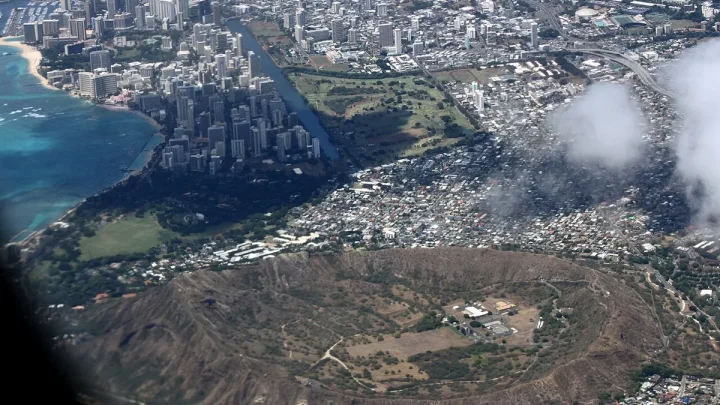
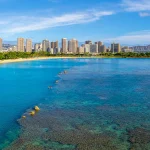
Image source: Web (Bing) / aloha-hawaiian.com (Web image (fair-use with source credit))
Quick Answer
🌺 Local Island Guide Quick Answer
The sun sets in Oahu between 5:48 PM and 7:18 PM. Winter sunsets occur earlier, usually between 5:50 PM and 6:15 PM. Summer sunsets peak later, between 7:00 PM and 7:18 PM.
Hawaii Standard Time stays fixed all year without daylight saving changes. Usable evening light drops completely within twenty-five minutes after sunset.
Oahu Sunset Times by Month (The Baseline Schedule)
Because Oahu sits at roughly 21.3 degrees north latitude, the difference between the longest and shortest days of the year is only about two and a half hours. The earliest sunset occurs in late November and early December at approximately 5:48 PM. The latest sunset occurs in early July at around 7:18 PM.
As of 2026, astronomical tables confirm that day length changes slowly from week to week. You can use the baseline monthly schedule below to plan your activities anywhere on the island.
| Month | Typical Sunset Window (HST) | Civil Twilight Ends | Total Day Length |
|---|---|---|---|
| January | 6:00 PM – 6:15 PM | 6:24 PM – 6:38 PM | ~10 hr 55 min |
| February | 6:16 PM – 6:30 PM | 6:39 PM – 6:51 PM | ~11 hr 25 min |
| March | 6:31 PM – 6:40 PM | 6:52 PM – 7:01 PM | ~12 hr 05 min |
| April | 6:41 PM – 6:50 PM | 7:02 PM – 7:12 PM | ~12 hr 45 min |
| May | 6:51 PM – 7:05 PM | 7:13 PM – 7:29 PM | ~13 hr 15 min |
| June | 7:06 PM – 7:17 PM | 7:30 PM – 7:42 PM | ~13 hr 25 min |
| July | 7:14 PM – 7:18 PM | 7:38 PM – 7:42 PM | ~13 hr 20 min |
| August | 6:55 PM – 7:13 PM | 7:18 PM – 7:37 PM | ~12 hr 50 min |
| September | 6:25 PM – 6:54 PM | 6:47 PM – 7:17 PM | ~12 hr 15 min |
| October | 6:00 PM – 6:24 PM | 6:22 PM – 6:46 PM | ~11 hr 35 min |
| November | 5:48 PM – 5:59 PM | 6:11 PM – 6:21 PM | ~11 hr 00 min |
| December | 5:48 PM – 5:58 PM | 6:12 PM – 6:23 PM | ~10 hr 50 min |
Every time in this schedule reflects Hawaii Standard Time. Because Hawaii never shifts its clocks, you do not have to worry about sudden one-hour jumps in spring or fall.
Why Hawaii's Twilight Catches Mainland Visitors Off Guard
One of the biggest surprises for mainland travelers is how fast it gets dark once the sun touches the horizon. In northern states or Europe, sunset is followed by a long, lingering dusk that can last over an hour. On Oahu, the sun drops toward the horizon at a steep, nearly vertical angle.
This steep descent drastically compresses civil twilight. Civil twilight is the window after sunset when natural light is still bright enough for outdoor activities without artificial lamps.
On Oahu, civil twilight lasts only 22 to 26 minutes.
If official sunset is at 6:00 PM, you will have usable ambient light until roughly 6:24 PM. By 6:30 PM, the sky is completely dark. If you are swimming, hiking, or packing up beach gear, plan to finish before civil twilight ends.
Island Geography: How Your Oahu Coast Changes the Sunset Experience
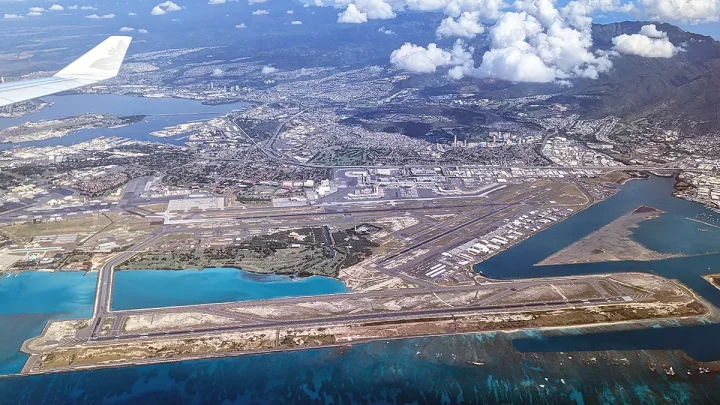
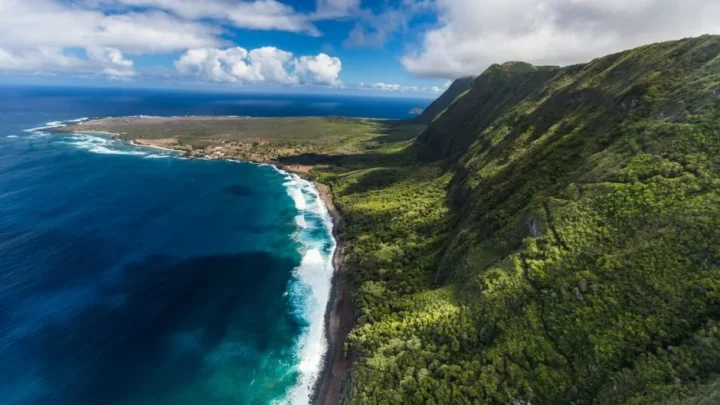
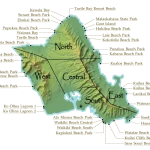
The official sunset time tells you when the sun dips below the true ocean horizon. However, Oahu's rugged volcanic mountain ranges change what you actually see depending on where you stand.
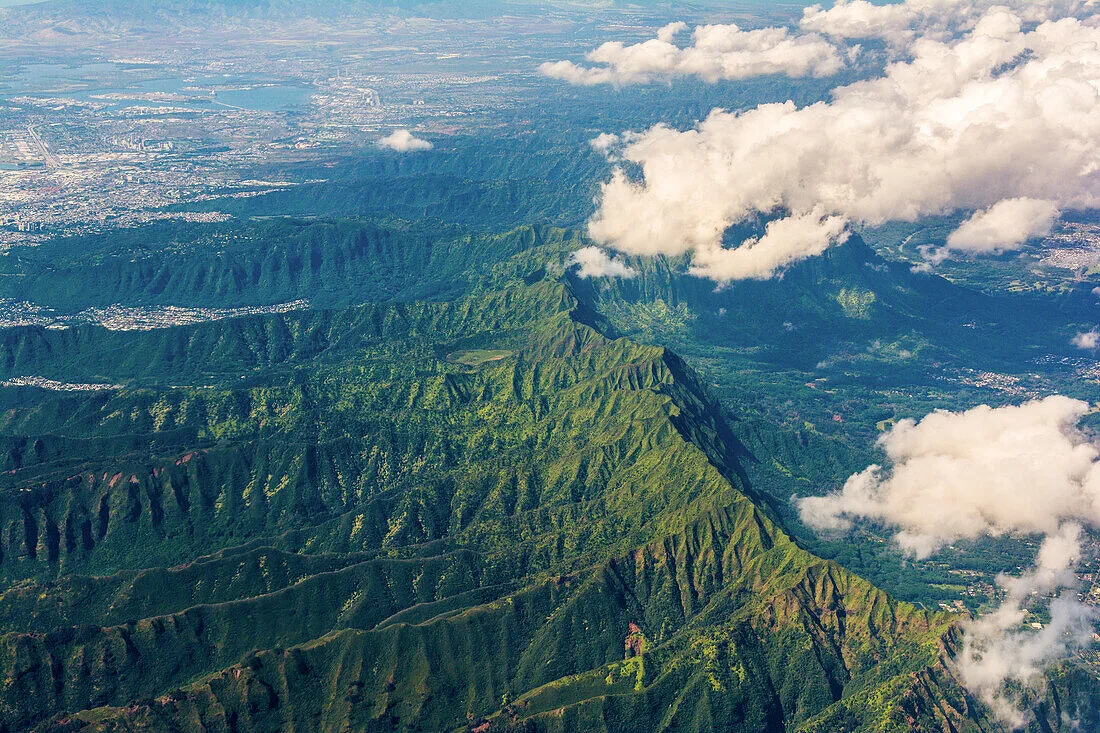
Image source: Web (Bing) / pinterest.com (Web image (fair-use with source credit))
The Leeward Coast (West Shore)
The Leeward coast offers the most direct, unobstructed ocean sunsets on the island. Areas like Ko Olina, Makaha, and Kaʻena Point face west across open water. You get to watch the sun drop all the way to the water level, which maximizes your golden hour light.
The South Shore (Waikiki and Honolulu)
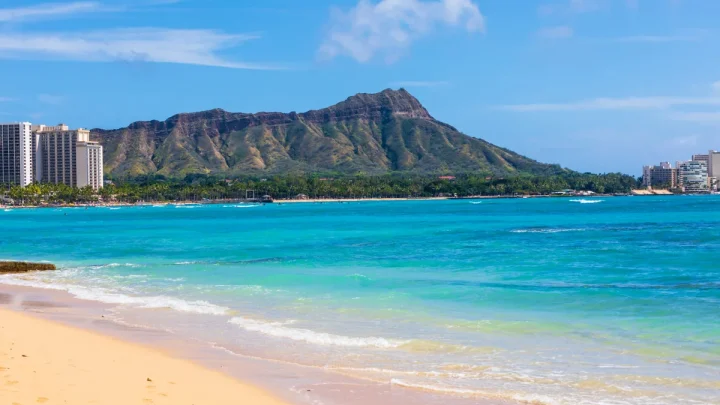
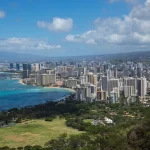
Waikiki, Ala Moana Beach Park, and Magic Island provide great sunset views all year. In the winter months, the sun sets directly over the ocean horizon toward the southwest. During midsummer, the sun sets slightly behind the western coastline, creating dramatic orange reflections across the Honolulu skyline.
The Windward Coast (East Shore)
The East Shore, including Kailua, Kaneohe, and Waimanalo, faces away from the sunset. The towering Koʻolau Mountain Range sits directly behind these beaches.
Because the mountains are so tall, the sun drops behind the ridgeline 30 to 45 minutes before official sunset time. The beach falls into shade early, though you will still see soft pastel colors reflecting across the eastern clouds.
The North Shore
From Haleiwa to Sunset Beach, the North Shore delivers spectacular views from May through August. During these summer months, the sun tracks northwest and sets over the water. In the winter, the sun angles further south over the land, but the evening sky colors remain vibrant.
The 60-Minute Sunset Workflow: Step-by-Step Timing for Your Evening
To get the most out of an Oahu sunset, follow this simple hourly workflow. It ensures you never arrive late or lose the best lighting.
- T-Minus 60 Minutes (Arrival and Setup): Arrive at your destination beach or scenic viewpoint. Popular spots like Ala Moana Beach Park, Sunset Beach, and Ko Olina lagoons fill up quickly. Arriving early gives you time to find parking and claim a spot on the sand.
- T-Minus 30 Minutes (Golden Hour): The sun is low in the sky, casting warm, golden light across the landscape. This is the best window for family portraits and landscape photos because the shadows are soft and flattering.
- T-Minus 0 Minutes (The Horizon Drop): The sun touches the ocean horizon. Keep your eyes on the disc as it disappears for a chance to spot the rare green flash, an optical phenomenon caused by atmospheric refraction over clean ocean air.
- T-Plus 15 Minutes (The Afterglow): Do not leave the beach the moment the sun vanishes. The richest reds, pinks, and purples often emerge fifteen minutes after sunset as the sun illuminates the underside of high trade wind clouds.
- T-Plus 25 Minutes (Pack Up): Civil twilight ends. Darkness settles in quickly, so pack your belongings and head toward your vehicle while you still have ambient light.
Critical Sunset Planning Mistakes to Avoid on Oahu
Even experienced travelers make simple scheduling errors that ruin their evening plans. Keeping these common mistakes in mind will keep your trip running smoothly.
1. Underestimating Afternoon Traffic
Commuter traffic heading west on the H-1 Freeway and north on Route 99 is heavy between 3:30 PM and 6:00 PM. If you stay in Waikiki and want to catch the sunset at Ko Olina or Haleiwa, a drive that normally takes 45 minutes can easily take an hour and a half. Always add an extra 45-minute buffer to your travel time.
2. Booking Winter Dinner Reservations Too Late
Many visitors book oceanfront dinner tables for 7:00 PM expecting a sunset view. In November, December, and January, the sun sets before 6:00 PM. By 6:30 PM, you will be dining in pitch darkness.
If you want a sunset dinner in winter, book your table for 5:15 PM or 5:30 PM.
3. Lingering on Ridge Trails Without Lighting
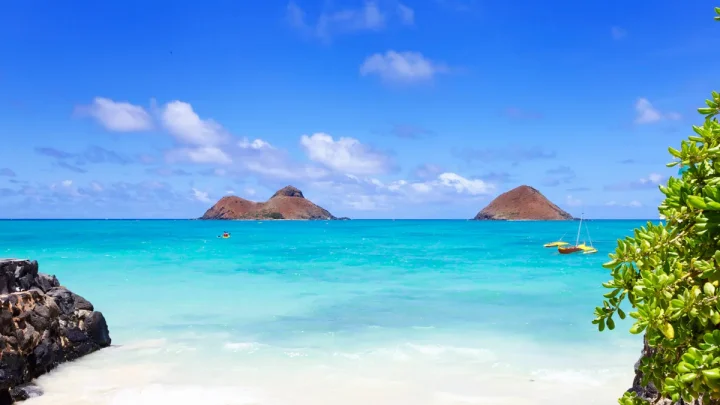
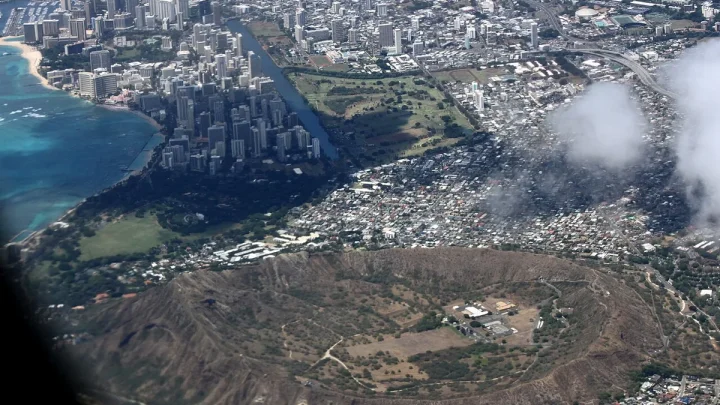
Hiking down trails like the Lanikai Pillbox or Diamond Head after watching the sun go down is dangerous without preparation. Because darkness falls in less than half an hour, trails under tree cover lose light almost instantly. Always pack a dedicated headlamp if you plan to hike near dusk.
Dusk Safety, Park Gates, and Ocean Rules You Need to Know
Staying on the beach after the sun goes down requires paying close attention to local safety rules and closing times. Most City and County of Honolulu beach parks close their gates at 10:00 PM. However, smaller state waysides and lookout lots often lock up right at dusk.
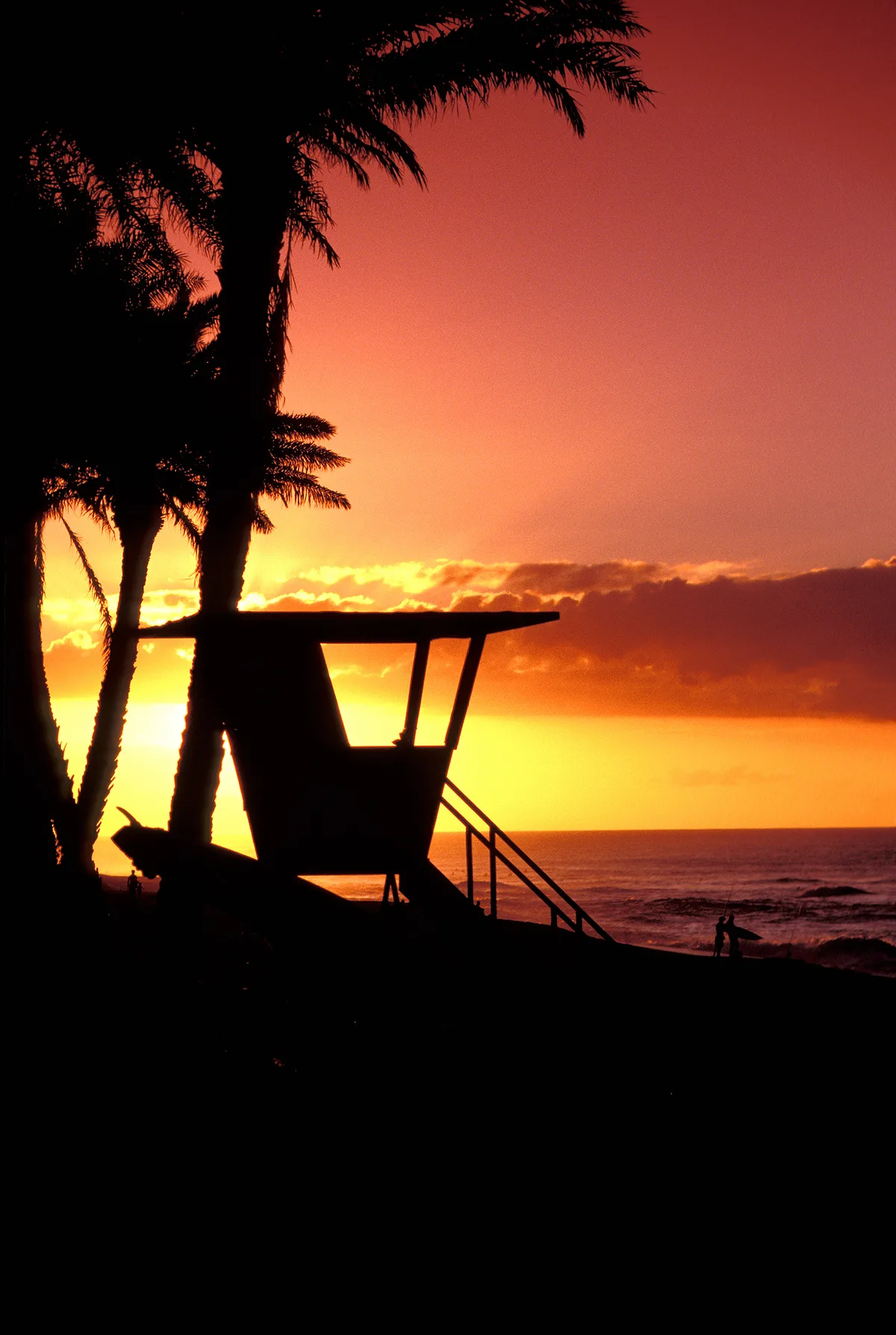
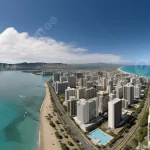
Image source: Bing (Web (fair-use with source credit))
Ocean safety is the most urgent concern once the sun dips below the horizon. Honolulu Ocean Safety lifeguard towers typically end their duty shifts between 5:30 PM and 6:00 PM. Swimming or surfing without active lifeguard supervision creates serious risk, especially when evening wave sets become harder to see in the dim light.
- Lifeguard Shifts: Active beach towers close around 5:30 PM. Exit the water before the lifeguards pack up their stations for the night.
- Gate Closures: Parks like Kaʻena Point State Park or Puʻu ʻUalakaʻa (Tantalus) close their vehicle gates promptly at sunset. Check posted gate signs upon entry so your rental car is not locked inside overnight.
- Reef Visibility: Shallow coral reefs along Waikiki and the North Shore become hard to spot as dusk settles. Step carefully if you are wading out of the water to avoid painful urchin punctures or coral cuts.
Oahu Sunset Frequently Asked Questions
What is the earliest sunset time of the year in Oahu?
The earliest sunset occurs in late November and early December at roughly 5:48 PM HST. Day length during this period drops to around 10 hours and 50 minutes. You should plan all late-autumn outdoor dinners and beach trips for early afternoon to catch the light.
What is the latest sunset time of the year in Oahu?
The latest sunset occurs in early July at approximately 7:18 PM HST. Day length extends to roughly 13 hours and 25 minutes. This gives you plenty of evening daylight for dinner cruises, catamaran tours, and long beach walks after normal working hours.
Does Oahu change its clocks for Daylight Saving Time?
No, the state of Hawaii does not observe Daylight Saving Time. Hawaii remains on Hawaii Standard Time (UTC-10) throughout the entire calendar year. Because of this consistency, you never have to adjust your sunset plans for sudden seasonal clock shifts.
Where is the best place to watch the sunset on Oahu?
The best views are along the Leeward Coast at Ko Olina and Kaʻena Point, as well as Magic Island in Honolulu. These spots offer direct, wide-open views across the ocean horizon. During the summer, Sunset Beach and Waimea Bay on the North Shore provide equally impressive vistas.
How long does twilight last after the sun goes down in Oahu?
Civil twilight lasts between 22 and 26 minutes on Oahu. Because Hawaii sits near the equator, the sun drops at a steep angle, causing rapid darkness. Outdoor light disappears quickly, so pack your gear and clear hiking trails right after sunset.
🎒 Field-Tested Gear: Hawaii Vacation Planning & Daypack Essentials
Sudden tropical mountain showers and high-humidity hikes require versatile, lightweight packing essentials tested for Hawaii’s climate:
- Ultra-Light Packable Travel Daypack & Rain Shell:Check Lightweight Packable Daypacks on Amazon →
- Insulated Stainless Steel Travel Water Bottle:Check Insulated Island Travel Bottles on Amazon →
*FTC Disclosure: As an Amazon Associate, Hawaii Travel Bureau earns from qualifying purchases. Learn more about our field-tested travel research methodology.*
🌺 Related Oahu Vacation Planning & Seasonal Guides:

Similar Posts