Is Oahu and Waikiki the Same? The Difference Explained
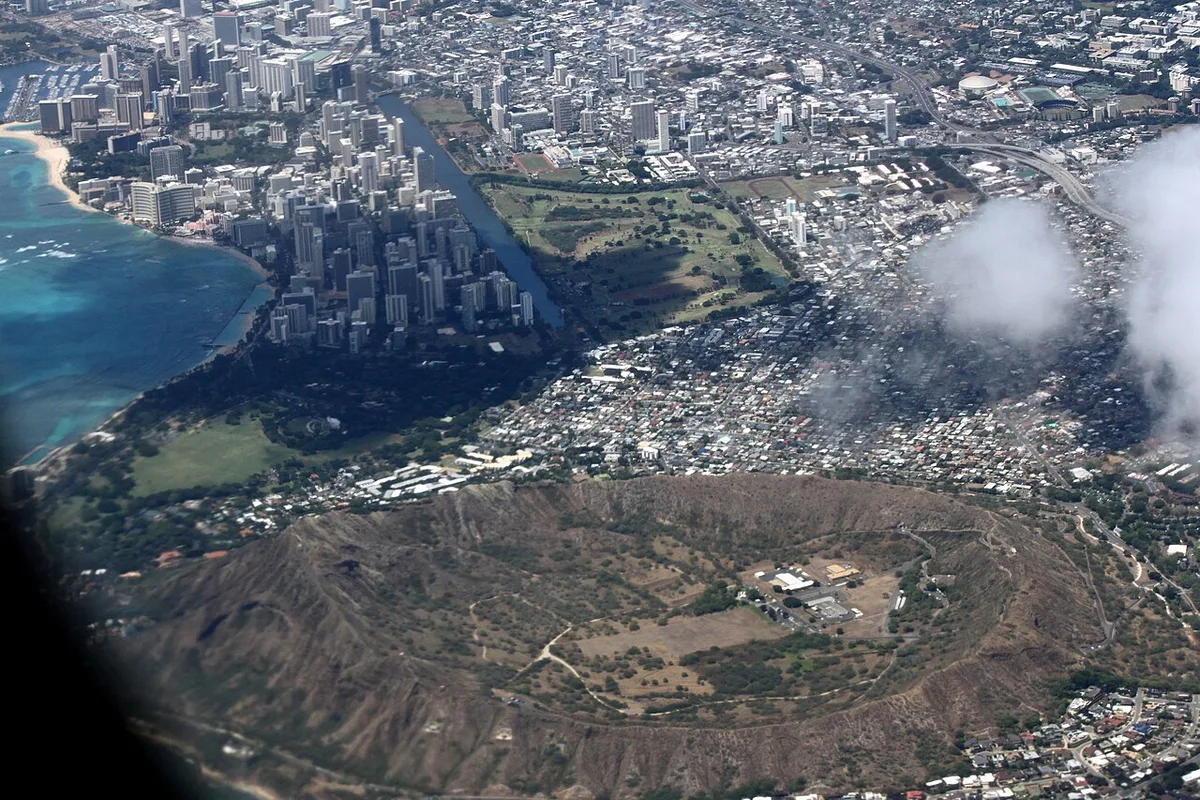
Planning a Hawaiian vacation often brings up confusion about whether is oahu and waikiki the same destination. The short answer is no. Oahu is an entire Hawaiian island, while Waikiki is a single resort neighborhood located on Oahu's southern shore.
Waikiki covers less than one percent of Oahu's total land area. As of 2026, understanding this distinction helps you avoid booking the wrong base or paying unnecessary hotel parking fees. The two areas offer completely different vacation experiences, costs, and travel logistics.
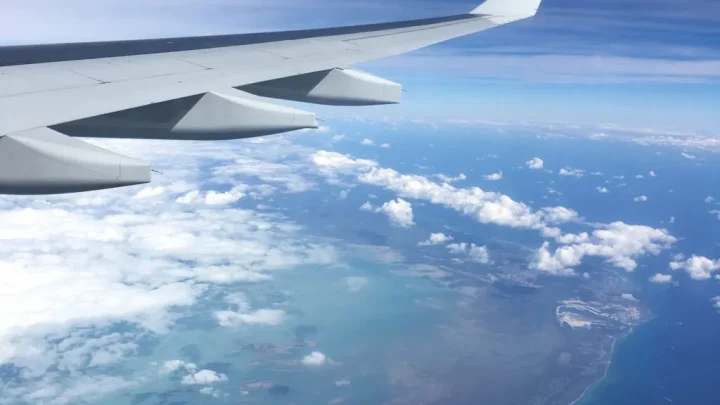
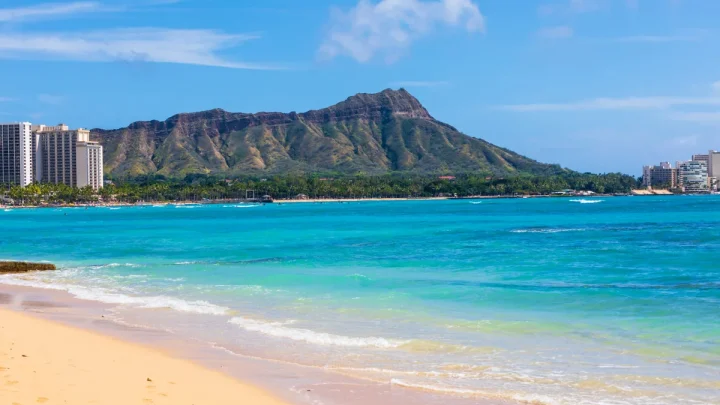
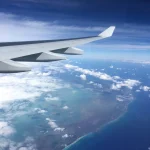
Image source: Wikimedia Commons / Prayitno / Thank you for (12 millions +) view from Los Angeles, USA (CC BY)
Quick Answer
🌺 Local Island Guide Quick Answer
No, is oahu and waikiki the same question has a clear answer.
Waikiki is a small neighborhood inside Honolulu on the island of Oahu.
Oahu is the full island spanning nearly 600 square miles.
Waikiki features dense high-rise hotels, shopping, and busy beaches.
The rest of Oahu offers rural valleys, quiet beaches, and dramatic mountains.
The Short Answer: How Oahu and Waikiki Actually Fit Together
To understand the relationship, think of Oahu as the whole house and Waikiki as a single busy room. Oahu is the third-largest island in the Hawaiian chain. It is home to about one million permanent residents, which is roughly seventy percent of the state's total population.
Administratively, the entire island of Oahu is governed as a single municipality known as the City and County of Honolulu. The official Hawaii Tourism Authority identifies Oahu as "The Gathering Place" because of its role as the state's commercial and governmental center.
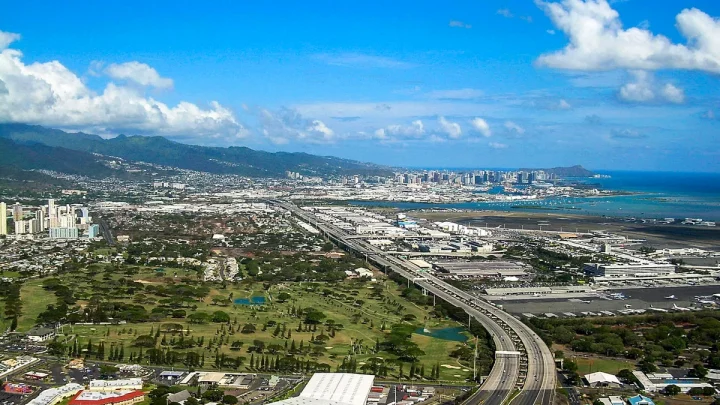
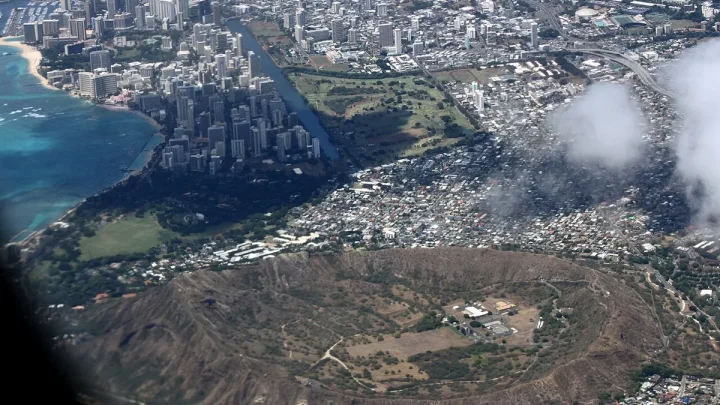
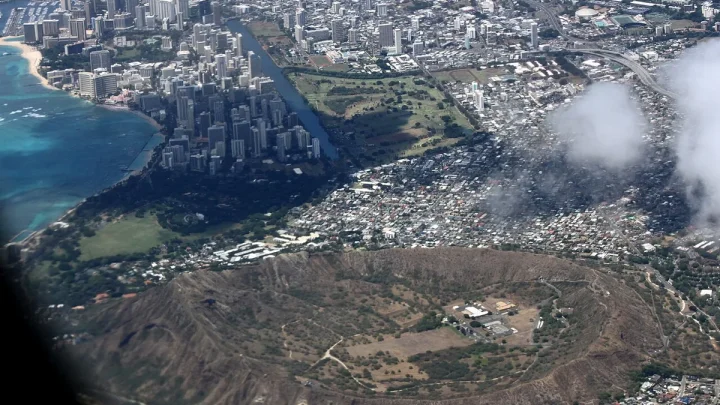
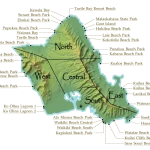
Waikiki is just one specific urban neighborhood within the broader city of Honolulu. It is bounded by the Ala Wai Canal on the north and west, Diamond Head on the east, and the Pacific Ocean to the south. When travelers say they are staying in Waikiki, they are staying in an urban hotel district on the south coast of Oahu.
Geography and Scale: A 1.5-Square-Mile Strip vs. a 600-Square-Mile Island
The geographic scale between the two is massive. Waikiki measures roughly 1.5 to 2 square miles in size. You can easily walk from one end of Waikiki to the other along Kalakaua Avenue in about thirty minutes.
In contrast, Oahu covers 597 square miles and features more than 227 miles of coastline. Driving around the perimeter of the island takes a full day of travel.
OAHU (597 sq. mi.)
└── City & County of Honolulu
    └── Urban Core (Honolulu)
        └── Waikiki District (1.5 sq. mi.)
The island is divided by two major mountain systems: the Koʻolau Range in the east and the Waiʻanae Range in the west. These peaks create distinct microclimates across the island. While Waikiki stays warm and relatively dry on the southern coast, regions just thirty minutes away can experience lush rainforest showers.
Drive times from Waikiki to other parts of Oahu include:
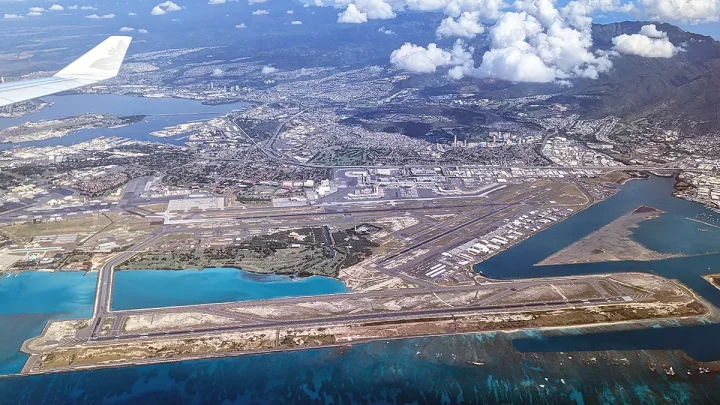
- Honolulu International Airport (HNL): 20 to 30 minutes (9 miles)
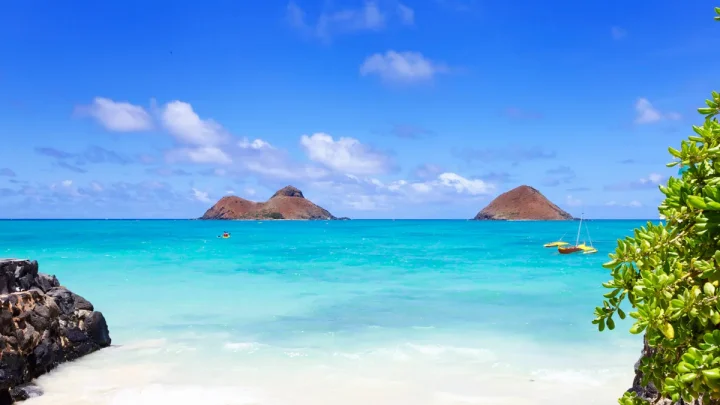
- Kailua and Lanikai Beach (Windward Coast): 30 to 40 minutes (16 miles)
- Haleiwa Town (North Shore): 45 to 60 minutes (32 miles)
- Ko Olina Resort (Leeward Coast): 40 to 55 minutes (28 miles)
The Contrast in Atmosphere: Urban Energy vs. Island Diversity
Waikiki feels like a bustling metropolis built directly on the sand. It features towering 30-story hotels, designer luxury boutiques, late-night dining, and bustling sidewalks. The shoreline at Waikiki Beach stays lively from sunrise to past midnight with surf instructors, outrigger canoes, and beach bars.
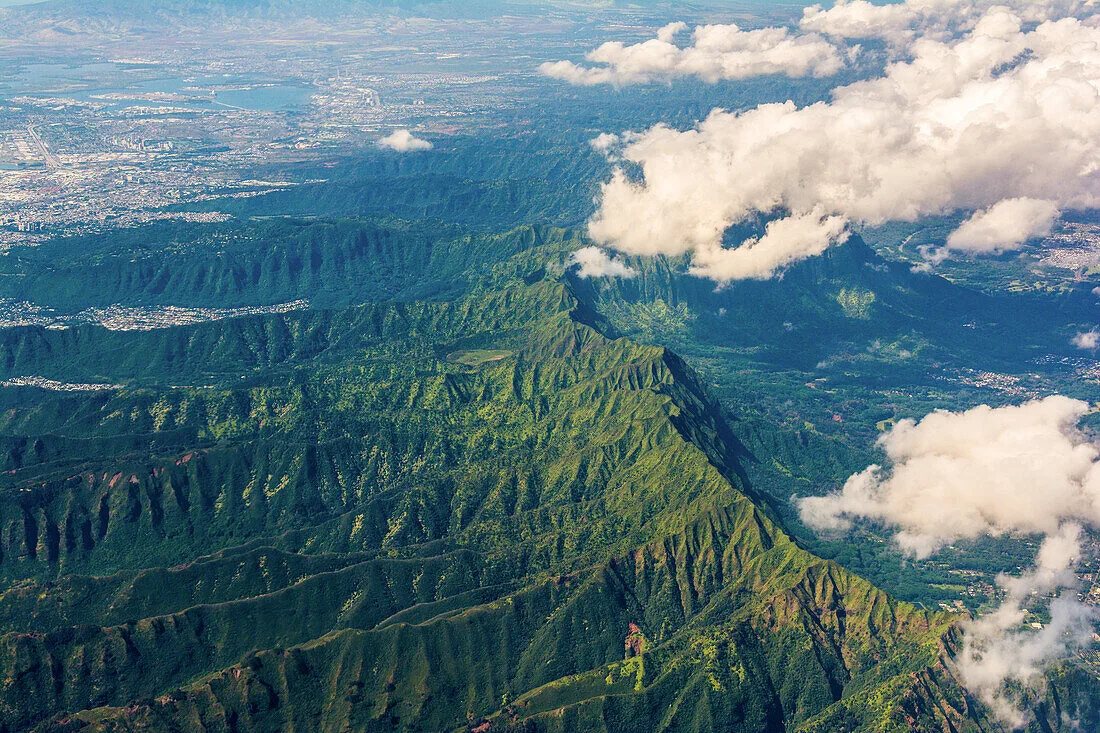
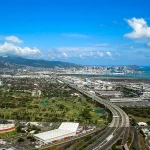
Image source: Web (Bing) / fineartamerica.com (Web image (fair-use with source credit))
Step outside Waikiki, and Oahu reveals a completely different character. The island changes dramatically depending on which direction you travel:
- The North Shore: Known for historic surf towns like Haleiwa, roadside garlic shrimp trucks, and massive winter surf breaks at Banzai Pipeline and Sunset Beach.
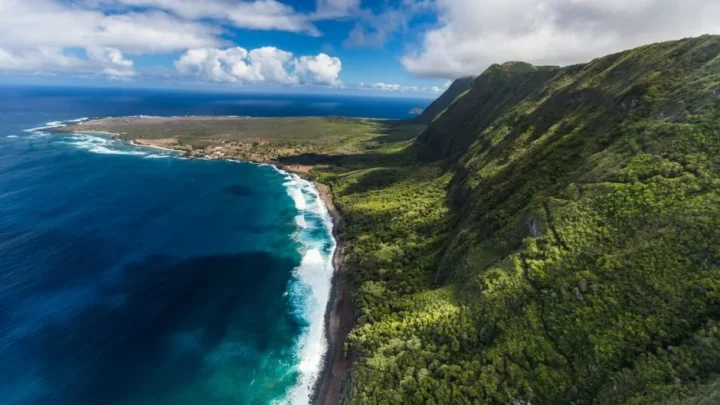
- The Windward Coast: Features dramatic green cliff walls along the Koʻolau Mountains, calm turquoise bays, and powder-soft sand at Kailua and Waimanalo.
- Central Oahu: Dominated by red soil, historic pineapple plantations, agricultural fields, and the Pearl Harbor National Memorial.
- The Leeward Coast: Sunny, dry, and home to local communities alongside the manicured ocean lagoons of Ko Olina.
If you spend your entire vacation inside Waikiki, you experience a high-energy resort city. Exploring the rest of Oahu exposes you to rural landscapes, dramatic mountain ridges, and authentic local communities.
Side-by-Side Comparison: Waikiki vs. Greater Oahu
Choosing where to base your trip depends on the vacation style you prefer. Here is how the two compare across major travel factors:
| Travel Factor | Waikiki Neighborhood | Greater Oahu (Outside Waikiki) |
|---|---|---|
| Primary Atmosphere | Urban, lively, high-density resort strip | Varied: rural surf towns, rainforests, quiet coastal suburbs |
| Walkability | Extremely high; walk to food, shops, and beach | Low; requires a vehicle or bus for daily travel |
| Accommodation Style | High-rise hotels, condo-resorts, boutique properties | Scattered luxury resorts, boutique lodges, residential zones |
| Dining Options | International chains, high-end dining, ABC Stores | Local poke counters, roadside fruit stands, food truck parks |
| Beach Experience | Sheltered, calm swimming, crowded shorelines | Vast sandy stretches, uncrowded parks, big seasonal waves |
| Nightlife & Shopping | Extensive cocktail lounges, craft bars, luxury retail | Quiet evenings; shops and eateries close early |
| Rental Car Need | Optional or inconvenient due to parking costs | Essential for efficient sightseeing and hiking |
Waikiki is ideal for travelers who want continuous activity and instant access to amenities. Greater Oahu suits travelers seeking open spaces, natural scenery, and a slower pace.
Transportation and Logistics: Do You Need a Car?
Your transportation strategy depends entirely on whether you stay in Waikiki or venture around the island.
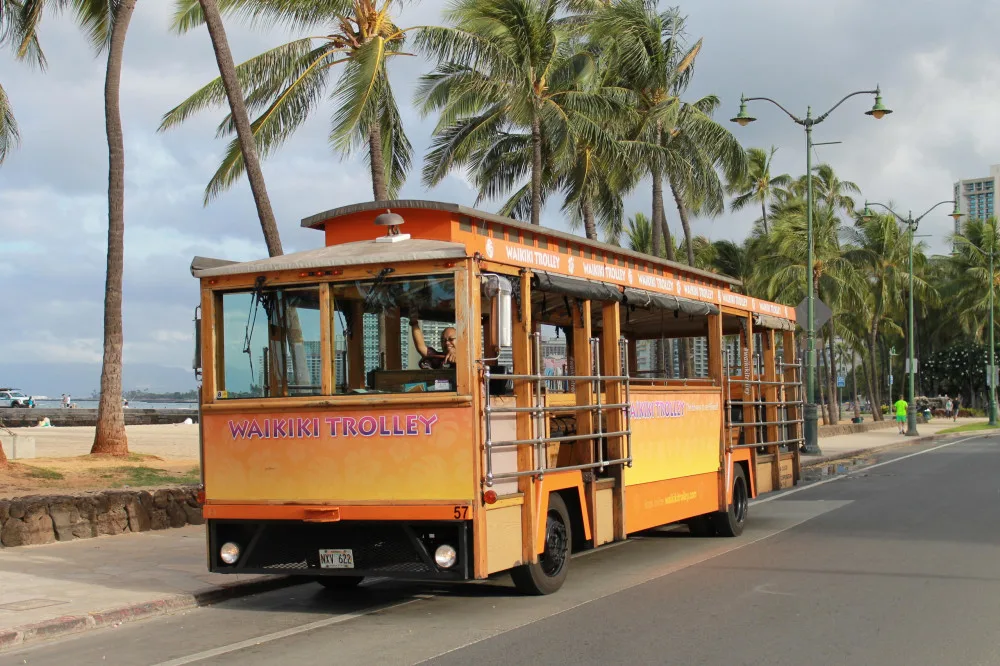
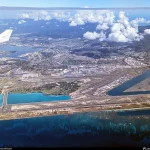
Image source: Bing (Web (fair-use with source credit))
Inside Waikiki, having a rental car is often a financial drawback. Most hotels charge daily parking rates ranging from $45 to $75 per night. Traffic along Kuhio Avenue and the Ala Wai Boulevard can also be congested during afternoon rush hours.
You can easily explore Waikiki and the immediate Honolulu area using alternative transit:
- Walking: Most restaurants, beaches, and shops sit within a 15-minute walk.
- TheBus: The public transit network managed by the City and County of Honolulu costs $3.00 per ride or a maximum of $7.50 daily with a reusable Holo Card.
- Waikiki Trolley: Private hop-on routes connecting Waikiki to Diamond Head, Ala Moana Center, and historic downtown Honolulu.
- Rideshare Services: Uber and Lyft operate widely throughout the urban corridor.
To explore greater Oahu, a car becomes necessary. Public transit buses reach outer towns like Haleiwa, but the trip can take over two hours each way with multiple stops.
A practical strategy is booking a split rental. Stay in Waikiki without a vehicle for your first few days to enjoy the beach and city dining. Then, rent a car from a neighborhood desk for one or two days to tour the North Shore and Windward beaches.
Accommodation Realities: High-Rises, Hidden Fees, and Rental Laws
Where you stay on Oahu directly affects your total trip cost and daily routine. Over eighty percent of the island's visitor lodging is concentrated inside Waikiki.
Waikiki is packed with high-rise hotels, condo-hotels, and boutique properties. These accommodations offer easy elevator access to restaurants and beaches, but they come with extra costs. Most Waikiki resorts charge mandatory daily amenity fees between $30 and $55 per night.
When you add daily parking costs, lodging can cost $100 more per day than the baseline room rate.
Base Room Rate: $250 / night
+ Resort Amenity Fee: $45 / night
+ Overnight Hotel Parking: $55 / night
= Real Nightly Cost: $350 / night (before local taxes)
Finding lodging outside Waikiki requires careful planning due to strict local regulations. Under Honolulu Bill 41 and Ordinance 22-7, short-term vacation rentals under 90 days are strictly regulated in residential neighborhoods. Legal short-term rentals are largely restricted to resort-zoned districts:
- Waikiki: Dense resort zone with thousands of legal hotel rooms and condo rentals.
- Ko Olina: Master-planned resort district on the west side featuring large family suites and luxury villas.
- Turtle Bay: The only major resort property located directly on the rural North Shore.
- Kahala: An upscale neighborhood just east of Diamond Head with luxury hotel lodging.
Outside these specific resort zones, accommodations are limited. Booking early is essential if you want to stay near the North Shore surf breaks or along the Windward Coast.
How to Decide Where to Spend Your Time and Money
Choosing between staying in Waikiki or exploring the rest of Oahu comes down to your group's priorities, timeline, and travel style.
Stay in Waikiki if:
- You are visiting for the first time: You want immediate access to surf lessons, catamaran tours, dining, and historic sites like Pearl Harbor.
- You want to avoid driving: You prefer walking everywhere and taking occasional shuttles or rideshares.
- You enjoy nightlife and shopping: You want busy oceanfront bars, craft cocktail spots, and open-air shopping centers open late.
- Your trip is short: If you only have three to four days, Waikiki minimizes transit time from the airport.
Stay in Greater Oahu (or split your stay) if:
- You want peace and natural beauty: You prefer waking up to ocean waves without street traffic or emergency sirens.
- You plan to hike and surf daily: You want fast access to rugged ridgelines, botanical gardens, and world-class winter surf spots.
- You are traveling with extended family: Master-planned villa areas like Ko Olina offer multi-bedroom units with full kitchens and quiet lagoons.
- You want a local food and cultural experience: You prefer roadside poke spots, local farmers markets, and quiet coastal towns like Kailua and Haleiwa.
For a balanced week-long trip, spending four nights in Waikiki for convenience and three nights on the North Shore or Leeward Coast gives you the best of both worlds.
Frequently Asked Questions About Oahu and Waikiki
Can you stay in Oahu without staying in Waikiki?
Yes, you can stay outside Waikiki in designated resort zones like Ko Olina on the Leeward Coast or Turtle Bay Resort on the North Shore. A few legal bed-and-breakfasts operate along the Windward Coast, though lodging options outside Waikiki are much more limited.
Is Waikiki Beach the only beach on Oahu?
No, Waikiki Beach is just one two-mile stretch out of more than 125 beaches on Oahu. Other famous beaches include Lanikai Beach on the Windward Coast, Sunset Beach and Waimea Bay on the North Shore, and Hanauma Bay Nature Preserve on the southeastern coast.
How far is Waikiki from the rest of Oahu?
Waikiki sits on the southeastern coast of Oahu. Drive times to other popular regions range from 20 minutes to historic downtown Honolulu, 35 minutes to Kailua on the Windward Coast, and roughly 45 to 60 minutes to the North Shore depending on traffic.
Do I need a car if I stay in Waikiki?
You do not need a rental car if you plan to spend most of your time within Waikiki and urban Honolulu. Walking, rideshare services, the Waikiki Trolley, and the public transit bus system easily cover the city center without daily hotel parking fees.
Is Waikiki cheaper than the rest of Oahu?
Waikiki offers a wider range of budget and mid-tier hotel rooms than outer regions. However, mandatory daily resort fees, high restaurant prices, and steep overnight parking charges can make a Waikiki stay just as expensive as staying at an outer-island resort.
🥾 Field-Tested Gear: Hawaii Trail & Sightseeing Protection
From rugged Kualoa filming valleys to sharp volcanic ridgelines, tackle Oahu’s premier attractions safely with trail-proven footwear and sun protection:
- High-Traction Breathable Water Hiking Shoes:Check Quick-Dry Water Hiking Shoes on Amazon →
- UPF 50+ UV Sun Protection Long-Sleeve Rash Guard:Check UPF 50+ Sun Protection Shirts on Amazon →
*FTC Disclosure: As an Amazon Associate, Hawaii Travel Bureau earns from qualifying purchases. Learn more about our field-tested travel research methodology.*
🌺 Related Hawaii Sights, Culture & Filming Guides:

Similar Posts