Honu Snorkeling Etiquette & Ethical Sea Turtle Viewing on Oahu’s North Shore
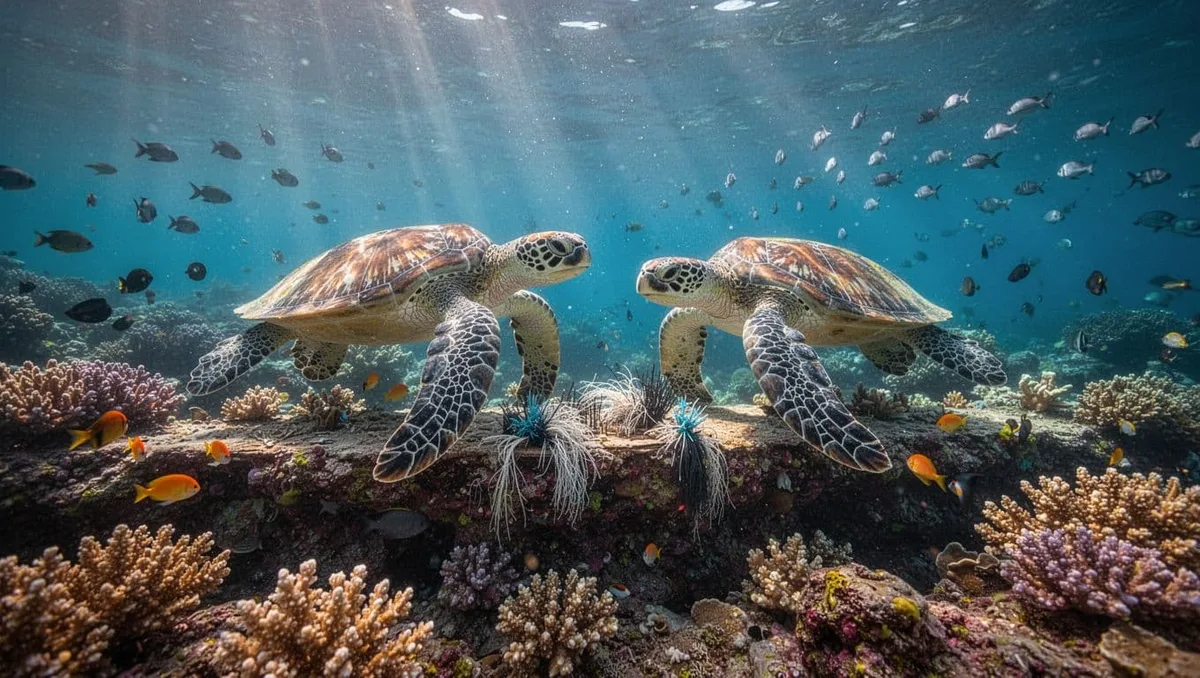
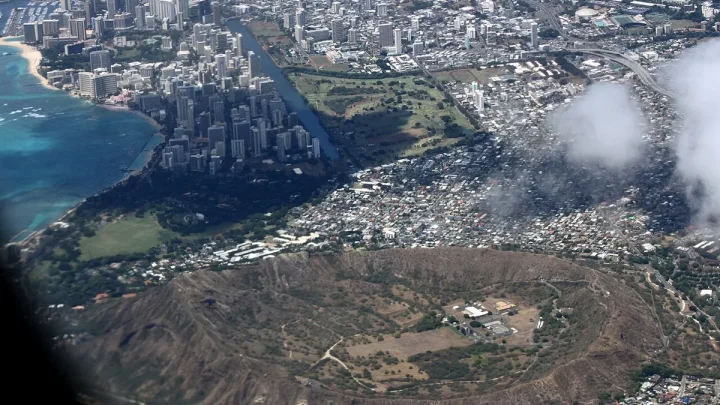
Knowing where to find turtles in Oahu comes down to understanding seasonal ocean patterns and turtle biology. The Hawaiian green sea turtle, known locally as the honu (Chelonia mydas), frequents specific feeding zones and resting beaches across the island.
Federal monitoring records from NOAA Fisheries confirm that Oahu hosts thriving coastal populations of green sea turtles feeding on native marine algae. Spotting them reliably without disrupting their natural habits requires matching your travel dates with local swell directions and tidal shifts.
Image source: Bing (Web (fair-use with source credit))
Quick Answer
🌺 Local Island Guide Quick Answer
You can find turtles at Laniakea Beach for dry-sand viewing.
Turtle Canyon offers the best boat-accessible snorkeling encounters.
Visit Shark's Cove during calm summer months for shore snorkeling.
Winter swells make South Shore spots much safer than North Shore beaches.
Always stay at least 10 feet away from resting turtles.
Finding Oahu’s Sea Turtles: The Quick Decision Framework
Selecting the right location depends entirely on your swimming comfort, the time of year, and how you want to experience wildlife. Use this simple decision logic to plan your route:
- If you want guaranteed dry-sand viewing without getting wet: Head to Laniakea Beach or Kawela Bay on the North Shore between 11:00 AM and 4:00 PM.
- If you are visiting between October and April: Avoid North Shore snorkeling entirely due to massive winter swells. Instead, book a catamaran sail to Turtle Canyon off Waikiki.
- If you are visiting between May and September: Take advantage of flat North Shore conditions at Shark's Cove or Kuilima Cove for clear, shallow reef snorkeling.
- If you have small children or non-swimmers: Choose Haleiwa Beach Park or Kuilima Cove, where outer reef barriers create calm, shallow wading pools.
- If you are an experienced snorkeler comfortable with open ocean depth: Head to Electric Beach on the West Coast to watch turtles feeding along warm-water reef channels.
The 3 Key Factors That Determine Where You Should Go
Season and Swell Direction (North Shore vs. South Shore)
Ocean conditions on Oahu shift dramatically between summer and winter. From October through April, North Pacific storms drive massive 15- to 30-foot waves into the North Shore. These winter swells create dangerous rip currents and reduce underwater visibility to zero.
During these months, sea turtles avoid high-energy surf zones or stay deep offshore.
From May through September, the North Shore flattens out into glass-calm water ideal for reef snorkeling. Conversely, the South Shore experiences its highest surf during the summer months, making winter the calmer season for Waikiki and Honolulu ocean activities.
Water Activity vs. Dry-Sand Viewing
Hawaiian green sea turtles exhibit a rare behavior called terrestrial basking. They haul their heavy bodies out of the water onto warm sand to rest and raise their internal body temperature. If your group includes toddlers, elders, or non-swimmers, sand viewing lets everyone observe wild turtles without ocean hazards.
If you prefer swimming alongside turtles, look for shallow fringing reefs containing cleaning stations. These are specific coral heads where herbivorous reef fish, such as tangs and surgeonfish, graze algae directly off turtle shells.
Swimmer Skill Level and Ocean Accessibility
Shore entries require negotiating slippery basalt rock shelves and surge zones. Beginners can easily panic when navigating shallow coral heads during low tide.
If you lack strong fin-kicking skills, opt for protected bays with sandy entries or commercial boat excursions where certified lifeguards provide flotation gear.
Best Spots to See Basking Turtles on Dry Sand
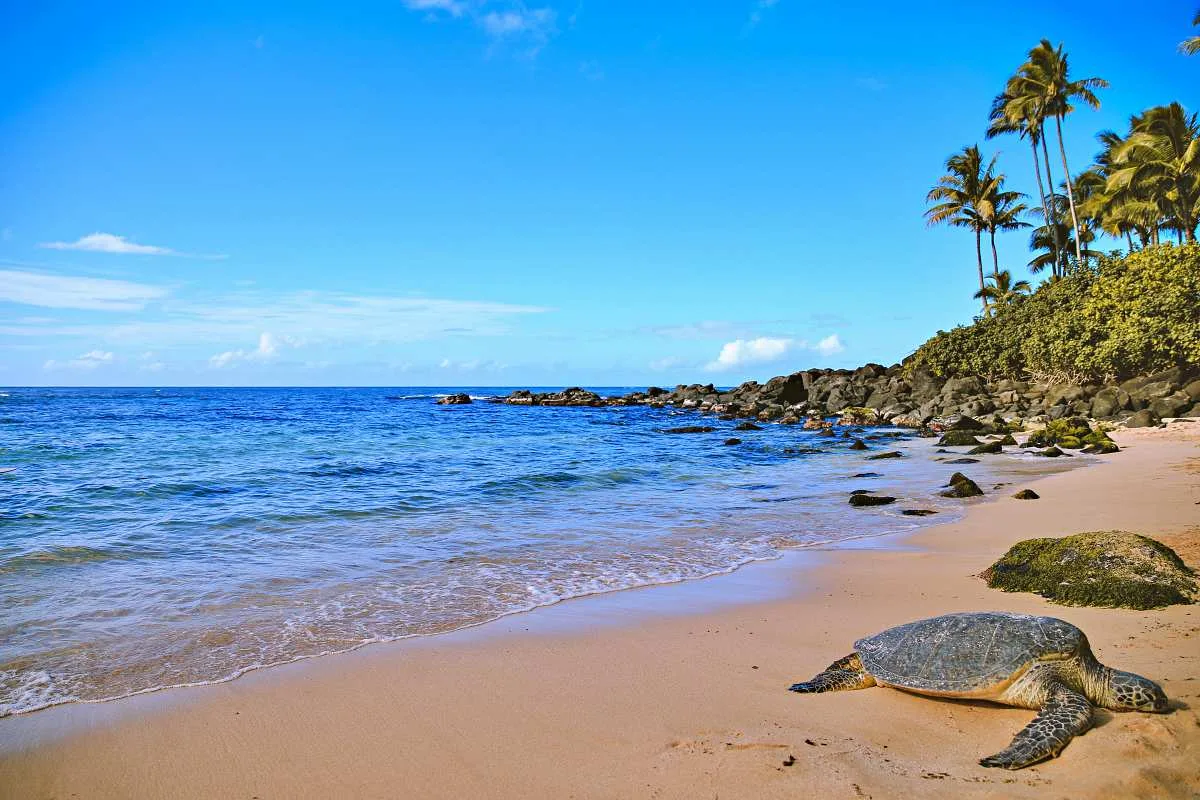
Image source: Bing (Web (fair-use with source credit))
Laniakea Beach (Turtle Beach)
Laniakea Beach remains the most famous spot on Oahu to see turtles resting directly on the sand. Located along Kamehameha Highway on the North Shore, this beach features a wide band of golden sand framed by flat lava rock shelves rich in green seaweed.
Volunteer docents from the non-profit group Malama Na Honu regularly set up red boundary ropes around basking turtles. Arrive between 11:00 AM and 3:00 PM when the midday sun warms the sand. Parking across the highway is limited, and pedestrian traffic is heavy, so exercise extreme caution when crossing the road.
Kawela Bay
Located near the northern tip of the island close to Turtle Bay Resort, Kawela Bay offers a quieter, secluded alternative to Laniakea. A short 10-minute walk through an ironwood and banyan tree forest leads to a crescent-shaped, sheltered bay.
The calm waters and sandy shoreline make Kawela a favorite resting area for honu. Because the bay is protected from larger ocean swells, turtles frequently sleep undisturbed near the tree line at the edge of the sand.
Haleiwa Beach Park
Situated just north of historic Haleiwa town, this park features a wide, grassy shoreline and shallow sandbars. Turtles routinely feed on the moss-covered rocks lining the channel entrance and haul out onto the sand near the river mouth.
The park offers dedicated paved parking, public restrooms, and outdoor showers, making it an easy, family-friendly stop along a North Shore driving tour.
Best Spots to Snorkel with Turtles in the Water
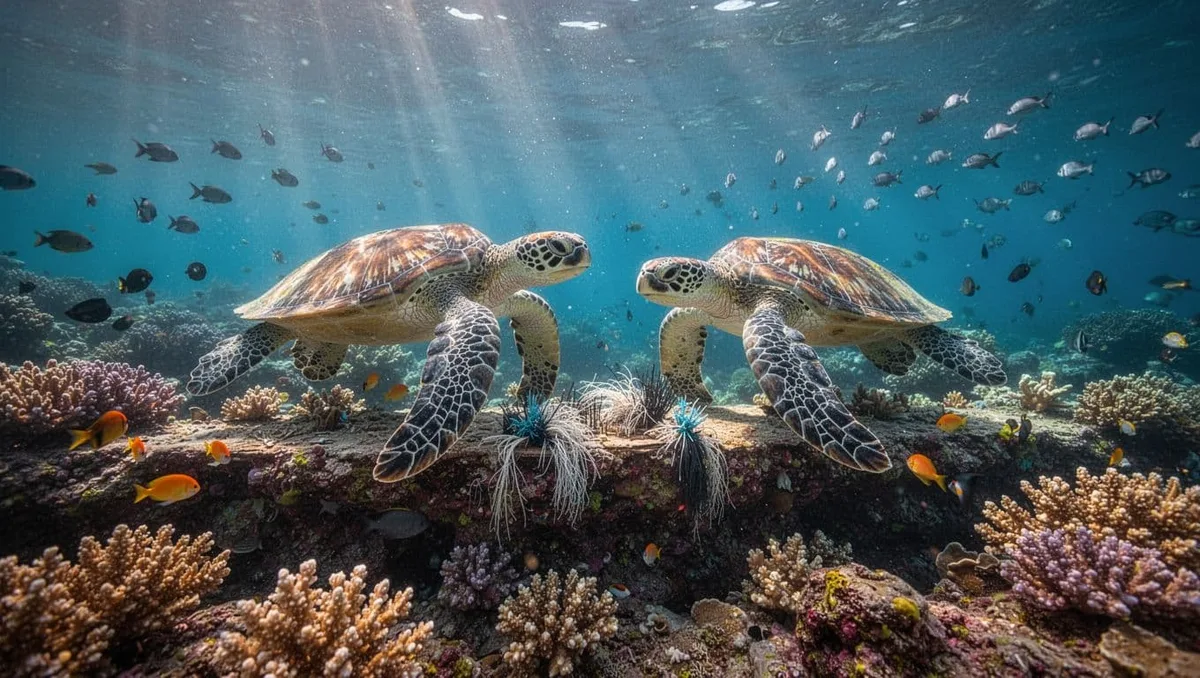
Image source: Bing (Web (fair-use with source credit))
Turtle Canyon (Offshore Waikiki)
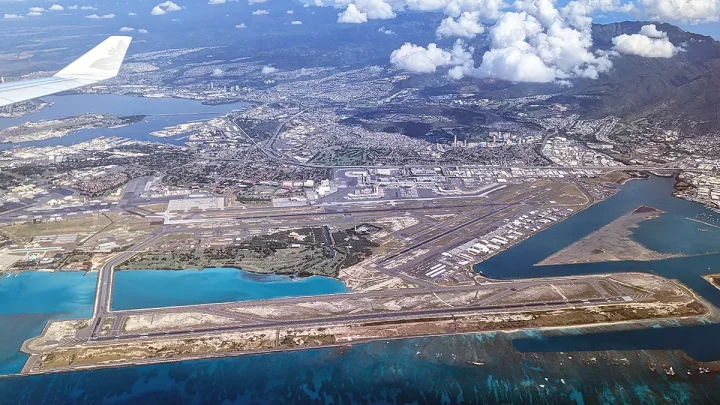
Turtle Canyon is an offshore reef formation located roughly 1,000 yards off the coast of Waikiki. It serves as Oahu's most active turtle cleaning station, where dozens of green sea turtles congregate daily while reef fish clean their carapaces.
Because it sits in open water with depths averaging 20 to 35 feet, you must access Turtle Canyon via a guided catamaran or snorkel boat tour from Kewalo Basin or Waikiki Beach. As of 2026, tour operators maintain strong safety records by providing required life vests and guide escorts in the water.
Kuilima Cove (North Shore Summer Spot)
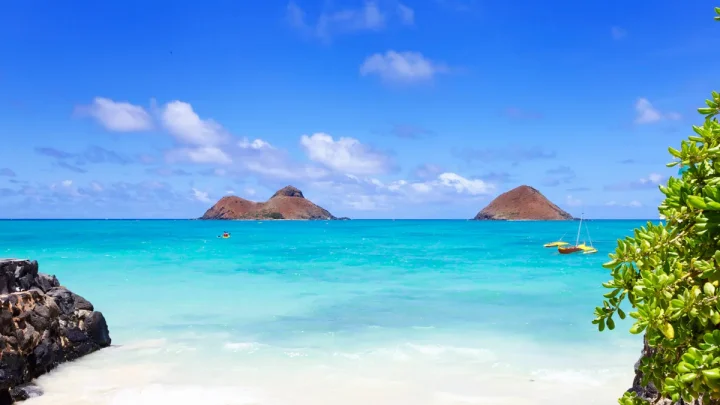
Kuilima Cove sits directly on the east side of Turtle Bay Resort. A natural rock barrier encloses the cove, blocking large ocean waves and creating a safe, natural saltwater swimming pool.
The white sandy bottom transitions into scattered coral heads where juvenile turtles regularly graze on sea grasses. It is one of the safest snorkeling spots on the entire North Shore for beginners during the calm summer months.
Shark’s Cove and Pupukea Marine Life Conservation District
Shark's Cove is a protected marine sanctuary famous for its deep lava tubes, underwater trenches, and dense fish populations. Because fishing is heavily restricted inside the reserve, turtles thrive here without disruption.
Snorkelers frequently encounter turtles grazing along the rocky walls of the cove. Enter the water only from May through September when ocean swells are flat, as winter waves make entry over the sharp volcanic rock extremely dangerous.
Electric Beach (Kahe Point)
Located on Oahu's western Leeward Coast, Kahe Point earned the nickname "Electric Beach" due to the nearby power plant. The facility discharges clean, warm cooling water through large offshore pipes into the ocean.
This warm-water plume attracts massive schools of tropical fish, eagle rays, and feeding sea turtles. The swim from shore to the pipe outlet requires a 150-yard open-ocean kick through moderate currents, making this location suitable only for confident, experienced swimmers equipped with long fins.
Comparison of Oahu’s Top Sea Turtle Locations
| Location | Coast / Region | Best Season | Viewing Type | Swimmer Skill Level | Turtle Frequency |
|---|---|---|---|---|---|
| Laniakea Beach | North Shore | Year-round (Beach) | Dry sand basking | All levels (Dry viewing) | Very High |
| Turtle Canyon | South Shore | Year-round | Deep water snorkeling | Beginner to Intermediate | High |
| Shark’s Cove | North Shore | May – September | Rocky reef snorkeling | Intermediate | High |
| Kuilima Cove | North Shore | May – September | Shallow bay snorkeling | Beginner / Family | Moderate |
| Electric Beach | West Shore | Year-round | Deep open ocean | Advanced only | Moderate to High |
| Kawela Bay | North Shore | Year-round | Sand basking & shallow swim | Beginner | Moderate |
| Haleiwa Beach Park | North Shore | Year-round | Sand viewing & wading | All levels | Moderate |
Critical Ocean Safety and Wildlife Laws in Hawaii
State and Federal Distance Regulations
Hawaiian green sea turtles are protected under the federal Endangered Species Act and Hawaii state law (HRS § 195D). It is illegal to touch, chase, feed, harass, or corner a sea turtle on land or in the water. Wildlife conservation authorities recommend keeping a minimum buffer of 10 feet (3 meters) away from all turtles.
If an animal approaches you while swimming, remain still and let it pass. Never block a turtle's direct route to the surface for air, and never stand between a basking turtle and the ocean. Violations carry severe penalties, with state and federal fines ranging from $2,500 up to $25,000 per incident.
Reef Etiquette and Sunscreen Requirements
Hawaii Act 104 strictly bans the sale of sunscreens containing oxybenzone and octinoxate. These chemicals bleach coral reefs and damage the marine algae that turtles rely on for food. Always choose mineral sunscreens formulated with non-nano zinc oxide or titanium dioxide before entering the water.
When snorkeling, maintain horizontal body positioning at the surface. Never stand, walk, or push off live coral heads or basalt rock shelves. Trampling living coral kills critical reef ecosystems and destroys natural turtle feeding grounds.
Managing Winter Ocean Swells and Rip Currents
Winter conditions on the North Shore produce hazardous shorebreaks and powerful undertows. Before entering any North Shore or West Side site, check daily surf forecasts and speak directly with municipal lifeguards on duty.
If you see red warning flags or notice high surf washing over the reef flats, stay out of the water. Even strong swimmers can get swept across sharp volcanic rock during unexpected surge sets.
Essential Tips for a Respectful, High-Probability Turtle Encounter
Planning your outing around specific daily cycles significantly boosts your chances of a successful sighting:
- Track the Tide Charts: Midday high tides bring deeper water over shallow reef shelves. This allows sea turtles to swim closer to shore to graze on marine algae (limu).
- Time the Warmest Hours for Basking: Turtles pull out onto dry sand most frequently between 11:00 AM and 4:00 PM when the tropical sun warms the beach.
- Use Polarized Sunglasses: If viewing from the shore or a boat deck, polarized lenses cut surface water glare, letting you spot dark carapaces cruising beneath the waves.
- Bring a Telephoto Lens: Avoid crowding resting turtles on the sand. Use an optical zoom lens (70-200mm or equivalent) to capture detailed photos from a legal, respectful distance.
- Never Block Ocean Pathways: Always leave a wide, clear corridor between a basking turtle and the water so it can safely return to the sea when ready.
Frequently Asked Questions About Seeing Turtles on Oahu
What is the best time of day to see sea turtles on Oahu?
The best window is between 11:00 AM and 3:00 PM. Sea turtles haul out on sandy beaches during the warmest hours of the day. Snorkel visibility is also best during these hours because high overhead sunlight illuminates shallow reef cleaning stations.
Can you touch sea turtles in Hawaii?
No, touching sea turtles is illegal under state and federal law. You must maintain a buffer of at least 10 feet. Touching, riding, chasing, or surrounding a turtle causes severe stress and can result in heavy criminal fines.
What is the difference between green sea turtles and hawksbill turtles on Oahu?
Green sea turtles (honu) make up over 95 percent of Oahu sightings, featuring smooth, rounded carapaces and blunt snouts for eating algae. Hawksbill turtles (honu‘ea) are critically endangered, rare on Oahu, and easily identified by their narrow, hooked beaks and serrated shell edges.
Is it safe to snorkel with turtles on the North Shore during winter?
No, North Shore snorkeling is unsafe during winter. Massive swells from October through April generate intense shorebreaks and dangerous currents. Book South Shore catamaran tours to Turtle Canyon instead for calm, safe winter snorkeling conditions.
ðŸ–ï¸ Field-Tested Gear: Hawaii Beach & Ocean Protection
To protect Oahu’s fragile coral reef ecosystems and navigate sharp volcanic basalt shorelines comfortably, our on-island team recommends packing these certified travel essentials:
- Hawaii Act 104 Reef-Safe Mineral Sunscreen:Check Certified Mineral Reef Sunscreen on Amazon →
- Heavy-Duty Waterproof Dry Bag & Phone Pouch:Check Waterproof Ocean Dry Bags on Amazon →
*FTC Disclosure: As an Amazon Associate, Hawaii Travel Bureau earns from qualifying purchases. Learn more about our field-tested travel research methodology.*
🌺 Related Oahu Ocean, Beach & Snorkel Guides:

Similar Posts