Where to Stay on Oahu’s North Shore: Best Areas & Hotels
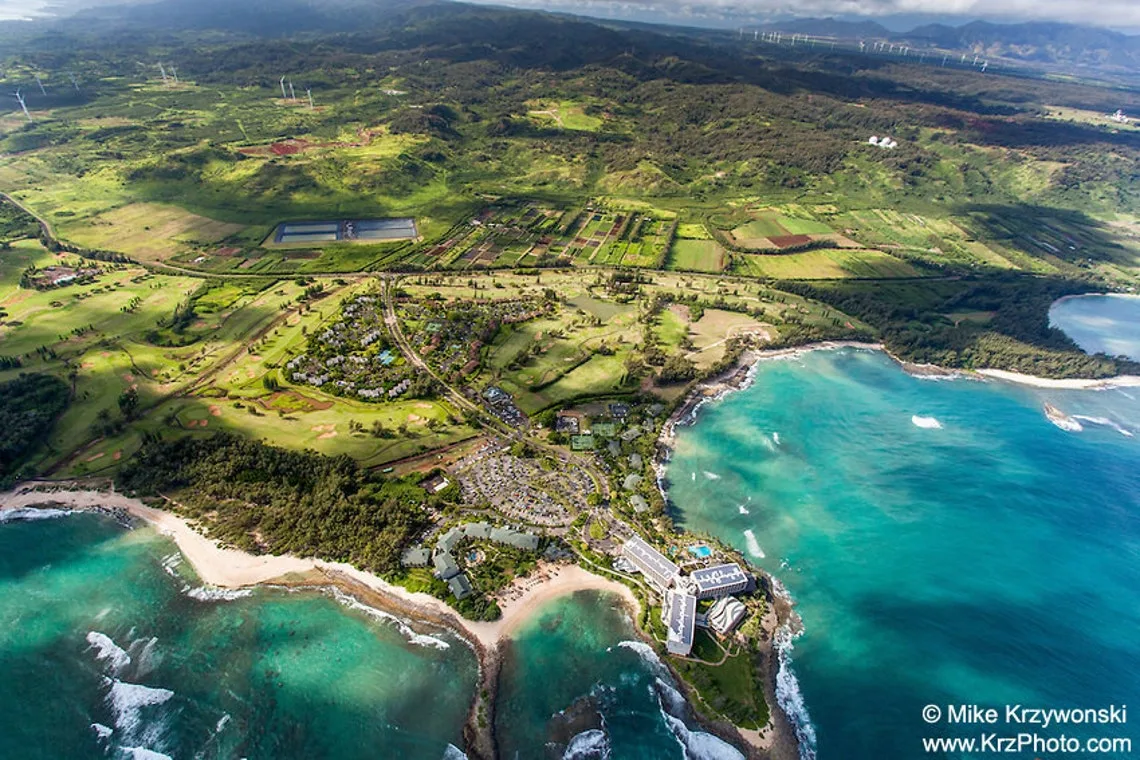
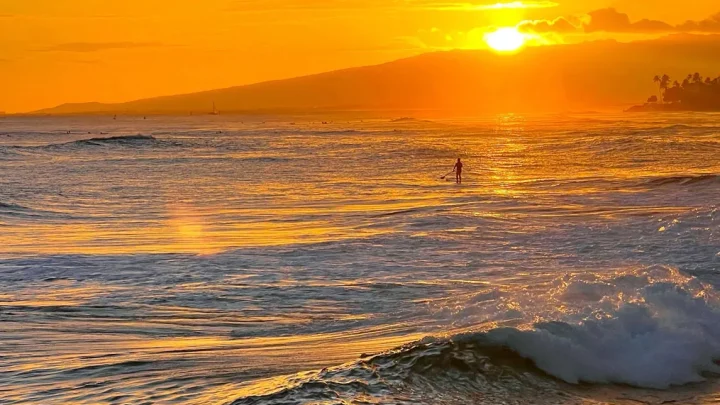
Finding where to stay Oahu North Shore requires a clear plan because this coast works differently from Honolulu. You will not find endless high-rise hotels or commercial boardwalks here. Instead, this rural coastline offers distinct pockets ranging from quiet surf towns to isolated luxury coves.
As of 2026, the entire seven-mile coastal stretch contains only one traditional full-service resort alongside a tight network of legally permitted rentals and condos. Understanding how each neighborhood functions helps you choose the right base for your trip without getting stuck in daily coastal traffic.
Image source: Bing (Web (fair-use with source credit))
Quick Answer
🌺 Local Island Guide Quick Answer
Deciding where to stay Oahu North Shore depends on your travel style. Turtle Bay Resort provides full luxury and direct beach access. Haleiwa Town offers walkable shops and great restaurants.
Pupukea and Sunset Beach suit surf watchers. Kuilima Estates delivers spacious golf course condos for families.
The Reality of Staying on Oahu's North Shore
Staying on the North Shore feels completely different from a trip to Waikiki. The region operates on country rhythm, meaning businesses open early and close right after sunset. You will find fruit stands, historic plantation buildings, and food truck lots instead of late-night bars and shopping malls.
The entire coast relies on Kamehameha Highway, a single two-lane road. When high winter surf arrives, traffic slows down significantly near popular surf breaks. Choosing the wrong location can add 45 minutes to a simple grocery run.
You also need to plan for limited traditional lodging. Honolulu zoning laws heavily restrict vacation rentals across Oahu. Knowing where legal rentals cluster ensures you avoid booking cancellations and unexpected property disputes.
North Shore Neighborhoods: Which Area Fits Your Trip?
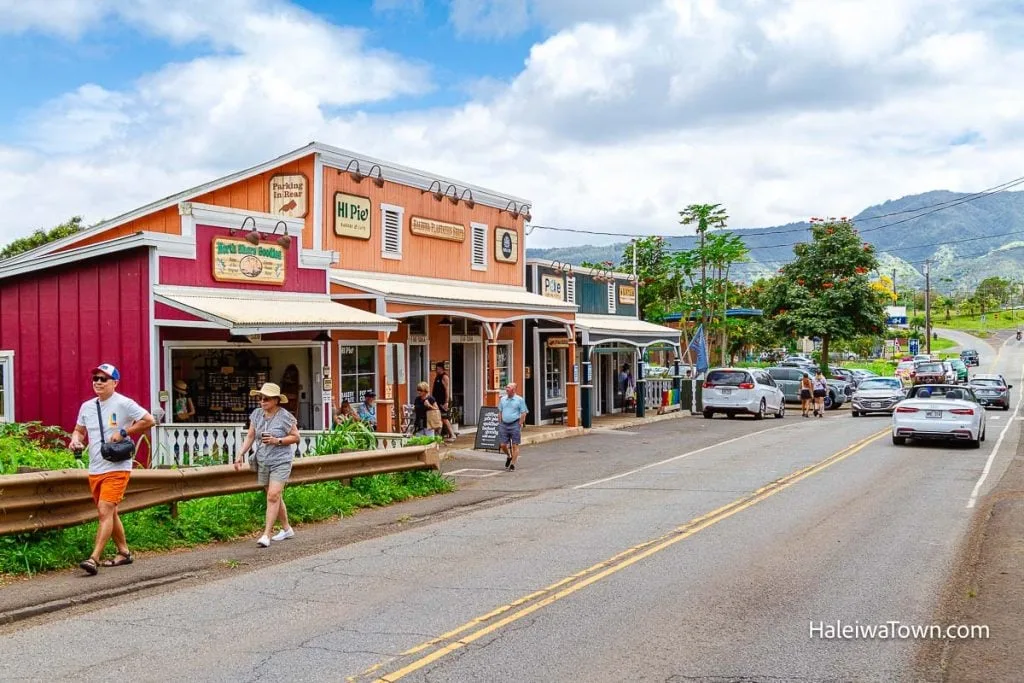
Image source: Web (Bing) / haleiwatown.com (Web image (fair-use with source credit))
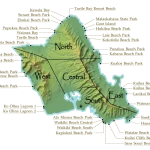
Each area along the northern coast serves a different type of traveler. Picking your base comes down to how much you value restaurant access, quiet beaches, or world-class surf viewing.
Haleiwa Town: Walkability, Dining, and Historic Charm
Haleiwa serves as the commercial hub of the North Shore. It features historic storefronts, art galleries, surf shops, and popular food truck parks.
If you want to walk to dinner, grab morning coffee easily, or browse local boutiques, Haleiwa is your best choice. The harbor offers stand-up paddleboarding and calm water access inside the breakwall.
Pupukea and Sunset Beach: The Epicenter of the Seven Mile Miracle
Pupukea sits directly along the world-famous stretch of surf breaks, including Banzai Pipeline and Sunset Beach. It is also home to Shark's Cove, a premier summer snorkeling destination.
This area suits travelers who want an authentic surf-focused atmosphere. Accommodations here consist mainly of permitted plantation-style guest cottages, small inns, and surf lodges.
Turtle Bay and Kawela Bay: Resort Seclusion and Calm Coves
Located at the northernmost tip of Oahu, Turtle Bay occupies its own peninsula. This zone offers sheltered coves, miles of walking trails, and two championship golf courses.
Choose this area if you want full resort amenities, on-site dining, and reliable swimming beaches. Kawela Bay sits just west, offering calm water shaded by banyan trees.
Laie and Kahuku: Quiet Stays, Food Trucks, and Windward Access
Kahuku and Laie sit just past the northeastern point of the island. Kahuku is famous for its roadside shrimp farms, while Laie offers a quieter, family-oriented residential setting.
This area works well if you want lower nightly rates and easy access to both the North Shore and the lush Windward Coast.
The Core Lodging Types: From Luxury Resorts to Surf Shacks
Lodging on the North Shore falls into distinct categories. Each format offers specific tradeoffs between privacy, convenience, and cost.
- Full-Service Luxury Resort: Turtle Bay Resort remains the only large-scale oceanfront hotel on the North Shore. It features private lanais, multiple pools, fine dining, and an on-site surf school.
- Residential Condos: Kuilima Estates East and West sit along the golf courses at Turtle Bay. These privately owned condos include full kitchens, shared pools, and tennis courts at a lower price point than the main hotel.
- Permitted Vacation Rentals: A limited number of standalone cottages and homes operate legally under strict regulations from the City and County of Honolulu. These offer complete privacy and residential living.
- Eco-Hostels and Surf Lodges: Properties like Backpackers Vacation Inn near Waimea Bay cater to solo travelers, backpackers, and surfers looking for affordable shared or private rooms right across from the beach.
Side-by-Side Comparison: Costs, Amenities, and Logistics
Comparing your lodging options directly clarifies which setup fits your budget and daily itinerary.
| Lodging Option | Primary Location | Typical Nightly Rate (2026) | Best For | Key Trade-off |
|---|---|---|---|---|
| Turtle Bay Resort | Kawela Bay / Kahuku Point | $750 to $1,400+ | Luxury seekers, honeymooners | Highest price point on the coast |
| Kuilima Estates Condos | Turtle Bay Grounds | $275 to $550 | Families, extended stays | Requires a short walk or drive to the beach |
| Courtyard by Marriott | Laie | $280 to $420 | Points travelers, budget-conscious | Dry community with limited nightlife |
| Pupukea Vacation Rentals | Pupukea / Sunset | $300 to $700 | Surf spectators, self-caterers | Traffic congestion during winter swells |
| Surf Hostels & Inns | Waimea / Pupukea | $65 to $180 | Solo travelers, budget backpackers | Shared amenities, basic furnishings |
If you want a seamless resort experience with poolside service, Turtle Bay stands alone. If you prefer cooking meals and want extra living space, Kuilima Estates delivers the strongest balance of price and location. Travelers prioritizing surf culture above all else should look at permitted rentals near Pupukea.
Critical Travel Logistics: Seasons, Traffic, and Rental Laws
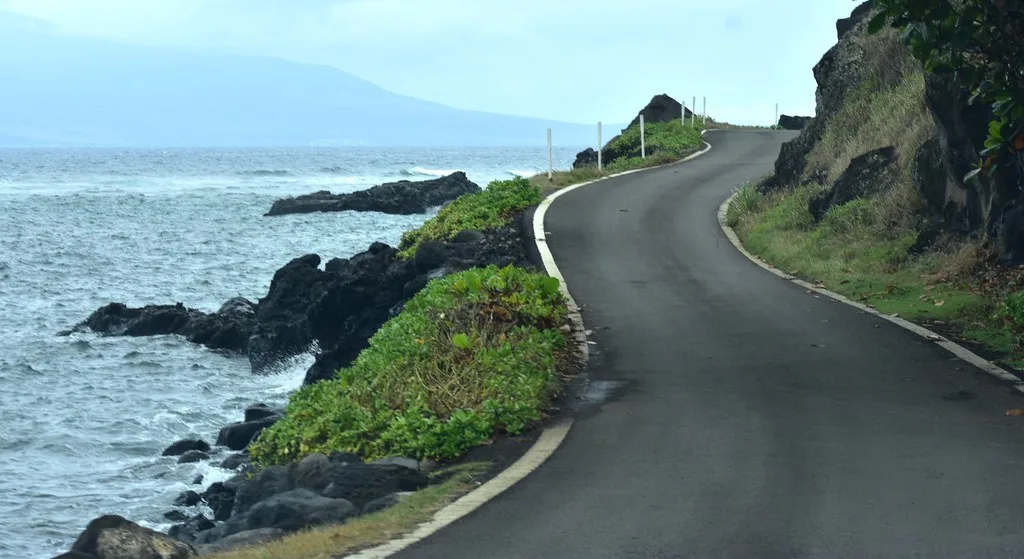
Image source: Web (Bing) / pinterest.com (Web image (fair-use with source credit))
Ocean conditions on the North Shore change dramatically depending on the time of year. Between November and April, powerful North Pacific swells create massive 20-to-40-foot waves. This period attracts major international surf competitions, but it also creates hazardous shorebreaks that close many beaches to casual swimmers.
Between May and October, the ocean flattens completely. Sites like Shark's Cove and Waimea Bay transform into calm, crystal-clear basins ideal for snorkeling and paddleboarding. Before entering the water, always check conditions with the Honolulu Ocean Safety division lifeguards.
Traffic along Kamehameha Highway requires careful planning. A single road connects the entire coast, and choke points around Laniakea Beach and Haleiwa can double your drive times during peak afternoon hours. If you need to catch a flight at Daniel K.
Inouye International Airport, allow at least two hours of transit time.
Short-term rental compliance is another vital factor. Honolulu County strictly regulates vacation rentals outside designated resort zones. When booking independent rentals, always verify that the host lists a valid Nonconforming Use Certificate (NUC) number or Tax Map Key (TMK) to prevent booking cancellations.
Frequently Asked Questions About North Shore Accommodations
Is it better to stay in Haleiwa or near Turtle Bay?
Haleiwa works best if you want walkable access to local restaurants, boutiques, and a lively town atmosphere. Turtle Bay is ideal if you prefer full resort amenities, private beaches, on-site golf, and quiet seclusion away from town traffic.
How many days should you spend on the North Shore?
Spending three to four nights allows you to experience the coast without rushing. This timeline gives you enough room to explore historic Haleiwa, watch world-class surf or snorkel calm reefs, and enjoy the food trucks without losing hours to daily cross-island driving.
Do you need a rental car when staying on the North Shore?
Yes, a rental car is essential for almost every traveler on the North Shore. Rideshare services like Uber and Lyft are scarce and unreliable in this rural area. Public bus transit exists, but it stops frequently and adds significant travel time between beach parks.
Can you legally book vacation rentals on Oahu's North Shore?
Yes, but only in designated resort zones like Turtle Bay or in properties holding a valid Nonconforming Use Certificate. Unpermitted short-term rentals under 30 days outside resort areas face heavy fines and cancellation. Always check for a registered permit number on the listing.
The Final Verdict: How to Choose Your North Shore Base
Choosing where to stay on the North Shore comes down to matching your primary vacation goals with the right geographic pocket. If you want a stress-free luxury getaway with full amenities, book Turtle Bay Resort. It removes logistics headaches and guarantees direct access to swimmable lagoons year-round.
If you travel with family or need a kitchen for longer stays, look at Kuilima Estates. You get the benefits of the Turtle Bay resort grounds at a far more accessible nightly rate.
For travelers who value dining out, browsing boutiques, and feeling connected to local community life, Haleiwa Town is the clear winner. If your trip revolves entirely around winter surf watching, position yourself in a permitted rental along Pupukea or Sunset Beach. Choose your base based on your season and daily priorities, and you will experience the best of Oahu's country coast.
🎒 Field-Tested Gear: Hawaii Vacation Planning & Daypack Essentials
Sudden tropical mountain showers and high-humidity hikes require versatile, lightweight packing essentials tested for Hawaii’s climate:
- Ultra-Light Packable Travel Daypack & Rain Shell:Check Lightweight Packable Daypacks on Amazon →
- Insulated Stainless Steel Travel Water Bottle:Check Insulated Island Travel Bottles on Amazon →
*FTC Disclosure: As an Amazon Associate, Hawaii Travel Bureau earns from qualifying purchases. Learn more about our field-tested travel research methodology.*
🌺 Related Oahu Vacation Planning & Seasonal Guides:

Similar Posts